and decided to spring for a costume party for my pet guinea pigs on their birthday. As anyone who owns guinea pigs can tell you, guinea pigs love to dress up. My white guinea pig is named Sugar and my brown guinea pig is named Chocolate. They do not yet have email or a Facebook account or even a cell phone. Sugar is constantly bugging me to buy them a lap top, a cell phone and even a TV but I don’t think guinea pigs need such things. What do you think? There will be a poll at the end of this post. If a majority thinks they should get electronic toys then I will buy the toys for them. Sugar is a Gemini. Chocolate is a Leo. Below is a picture of their best friend Andy. Andy’s owner is from England and a coworker.
The dogs invited themselves! The guinea pigs told me the dogs like to chase them but the dogs deny this accusation.
Many humans do not realize being a guinea pig can be very stressful and unfortunately some guinea pigs snap under the stress. Larry, pictured below, thinks he is a bunny but is seeing a guinea pig psychiatrist and his prognosis is good. You can help guinea pigs with mental disorders around the world by donating funds to the Guinea Pig Mental Health Fund.
The dogs will not allow Sally to join their so called super team. I did lecture the dogs and pointed out they were being speciest. Not letting Sally into their club because she isn’t a dog was wrong. The dogs told me that they are not being speciest but would not let Sally join because she is a girl which is even worse in my opinion.
Sally is not the only animal that is unhappy with the dogs. The chihuahua below applied to the club as Bear Dog but the other dogs suggested he apply as Ant Dog due to his size.
I would worry about the cat but of course in the real world cats can’t cast spells. Silly cat tricks are for kids!
This post will compare sidekicks of the DC and Marvel universes. Which universe has the best sidekicks? First of all, what is a sidekick? Wikipedia provides the following definition “A sidekick is a close companion who is generally regarded as subordinate to the one he accompanies”. Wikipedia in the same article expands on the functions of a sidekick “Sidekicks can provide one or multiple functions, such as a counterpoint to the hero, an alternate point of view, or knowledge, skills, or anything else the hero doesn’t have. They often function as comic relief, and/or the straight man to the hero’s comedic actions. A sidekick can also act as someone more relatable to the audience than the hero, or whom the audience can imagine themselves as being (such as teen sidekicks). And by asking questions of the hero, or giving the hero someone to talk to, the sidekick provides an opportunity for the author to provide exposition, thereby filling the same role as a Greek chorus”. A sidekick is not a villain’s henchmen or the romantic interest of a hero which is generally referred to as a companion.
The picture above got me thinking about sidekicks. The picture is from page 199 of the graphic novel Bizzaro Comics (2001). Bizzaro Comics is a hilarious collection of indie writers and artist’s parodies of DC comic titles. This picture is from the story titled Without You I’m Nothing and follows the travails of obscure discarded sidekicks. I am a comic book historian and do get a kick out of stories that use obscure characters like this story does. I was not able to identify all the side kicks in the picture but have a partial answer key at the end of this post. This post also attempts to provide definitive lists of sidekicks in the DC and Marvel universes and the Wikipedia definition was strictly adhered to. Many obscure characters that have not been included in prior lists of this nature have been included in this post. Below is a definitive list of DC sidekicks that will be discussed later.
List of DC Sidekicks
Superhero
Sidekick
First Appearance
Aquaman
Aquagirl 1 (Lisa Morel)
Adventure Comics #266 (November, 1959)
Aquaman
Aquagirl 2 (Tula)
Aquaman (vol. 1) #33 (May-June 1967)
Aquaman
Aqualad (Garth)
Adventure Comics #269 (February 1960)
Aquaman
Topo (Octopus)
Adventure Comics #229 (October 1956)
Aquaman
Qwsp
Aquaman (vol. 1) #1 (January-February 1962)
Batman
Ace the Bat Hound
Batman #92, June 1955
Batman
Alfred Pennyworth (Butler)
Batman #16 (April-May 1943
Batman
Bat-Girl (Bette Kane)
Batman #139 (April 1961)
Batman
Batgirl (Barbara Gordon)
Detective Comics #359 (January 1967)
Batman
Batgirl (Cassandra Cain)
Legends of the Dark Knight # 120 (August 1999)
Batman
Robin 1 (Dick Grayson)
Detective Comics #38 (April 1940)
Batman
Robin 2 (Jason Todd)
Batman #357 (March 1983)
Batman
Robin 3 (Tim Drake)
Batman #436 (August 1989)
Batman
Robin 4, Spoiler, Batgirl (Stephanie Brown)
Detective Comics #647 (August 1992)
Batman
Robin 5 (Damian Wayne)
Batman #655 (September 2006)
Batman
Robin Earth II (Richard Grayson)
Detective Comics #38 (April, 1940)
Blackhawk
Lady Blackhawk (Zinda)
Blackhawk # 133 (February 1959)
Blue Devil
Kid Devil
Blue Devil #14 (July 1985)
Booster Gold
Goldstar
Lobo #5 (May ’94)
Booster Gold
Skeets
Booster Gold (vol. 1) #1 (1986)
Captain Marvel
Captain Marvel Jr.
Whiz Comics #25 (December 1941)
Captain Marvel
Lieutenant Marvels
Whiz Comics #21 (1941)
Captain Marvel
Mr. Tawky Tawny (Anthropomorphic Tiger)
Captain Marvel Adventures #79
Captain Marvel
Uncle Marvel
Wow Comics #18 (October 1943)
Captain Mid-Nite
Hooty the Owl
All-American Comics #25 (April, 1941)
Chameleon Boy
Proty I
Adventure Comics #308 (May 1963)
Chameleon Boy
Proty II
Superman’s Pal, Jimmy Olsen #72 (October 1963)
Crimson Avenger
Wing How
Detective Comics #20 (October 1938)
Flash
Impulse (Bart Allen)
Flash (vol. 2) #92 (June 1994)
Flash
Kid Flash I (Wally West)
The Flash (vol. 1) #110 (December 1959)
Flash
Kid Flash II (Iris West)
Kingdom Come #3 (July 1996)
Flash
Kid Flash III (Bart Allen)
Teen Titans (vol. 3) #4 (December 2003)
Flash
S’kidd Flash
Flash vol 2 #235 (February, 2008)
General Glory
Ernie the Battling Boy
Justice League America # 46 (January 1991)
Green Arrow
Amber Archer (Connor Hawke)
Green Arrow vol 2 #0 (October, 1994)
Green Arrow
Arrowette
World’s Finest Comics #113 (November 1960)
Green Arrow
Speedy I (Roy Harper)
More Fun Comics #73 (November 1941)
Green Arrow
Speedy II (Mia Dearden)
Green Arrow (vol. 3) #44 (January 2005)
Green Lantern
Gen’ma
Legion of Super-Heroes in the 31st Century #6
Green Lantern
Doiby Dickles
All-American Comics #27 (June 1941)
Green Lantern
Terry Berg
Green Lantern (vol. 3) #129 (October 2000)
Green Lantern
Thomas Kalmaku (Pieface)
Green Lantern (Vol. 2) #2 (September-October 1960)
Icon
Rocket
Icon #1 (May 1993)
Johnny Thunder
Black Lightning the Horse
Flash Comics #1 (January 1940)
Joker
Harley Quinn
The Batman Adventures #12 (September 1993)
Justice League of America
Snapper Carr
The Brave and the Bold #28 (February-March 1960)
Justice League International
G’nort (Green Lantern, Humanoid Dog)
Justice League International#10 (February, 1988)
Knight
Squire (Cyril)
Batman #62,(December 1950)
Little Boy Blue
Tubby, Toughy
Sensation Comics #1 (January, 1942)
Martian Manhunter
Zook
Detective Comics #311 (January, 1963).
Mr. Scarlet
Pinky the Whiz Kid
Wow Comics #4 (1940)
Owlman
Talon
Teen Titans vol. 3 #38 (September 2006)
Plastic Man
Woozy Winks
Police Comics #13 (November 1942)
Robin
Flamebird (Mary Elizabeth Kane)
Teen Titans #50 (October, 1977)
Tomahawk
Dan Hunter
Star-Spangled Comics #69 (June 1947)
Sandman
Brute
The Sandman #1 (May 1974)
Sandman
Glob
The Sandman #1 (May 1974)
Sandman
Sandy the Golden Boy (Sandy Hawkins)
Adventure Comics # 69 (December 1941)
Space Ranger
Cyrll
Showcase #15, (July 1958)
Star Hawkins
Ilda (Robot)
Strange Adventures #114 (March 1960)
Star-Spangled Kid
Stripsey (Pat Dugan)
Action Comics #40 (September, 1941).
Superboy
Pete Ross
Superboy #86 (January 1961)
Super-Girl
Comet the Super-Horse (Biron)
Action Comics #292 (1962)
Super-Girl
Streaky the Super-Cat
Action Comics #292 (1962)
Superman
Bo “Bibbo” Bibbowski
Adventures of Superman #428 (May 1987)
Superman
Jimmy Olsen
Action Comics #6 (November 1938)
Superman
Krypto
Adventure Comics #210 (March 1955)
Superman
Super-Girl
Superman #123 (August 1958)
TNT
Dan the Dyna-Mite (Daniel Dunbar)
World’s Finest Comics #5 (Spring 1942)
Vigilante
Stuff the Chinatown Kid
Action Comics #45 (February 1942)
Wonder Woman
Etta Candy
Sensation Comics #2 (Feb. 1942)
Wonder Woman
Wonder Girl 1 (Wonder Woman as a teenager)
All-Star Comics #8 (December 1941),
Wonder Woman
Wonder Girl 2 (Donna Troy)
The Brave and the Bold vol. 1 #60 (July 1965)
Wonder Woman
Wonder Tot
Wonder Woman #105 (April, 1959)
Robin wins the best DC sidekick prize easily. Robin is the first teenage super hero sidekick and if imitation is the sincerest form of flattery then Robin has been flattered to death. DC went ahead and created an army of teenage sidekicks. Eventually the teenage sidekicks of the major superheroes founded a teenage sidekick version of the Justice League called the Teen Titans. The original Teen Titans included Aqualad, Kid Flash, Robin and Wondergirl. Later still, Young Justice is created. The Teen Titans and Young Justice meet in a giant sidekick crossover between their two groups.
The obvious absurdity of Robin is that crime fighting is dangerous work even for an adult like Batman and introducing a minor to crime fighting makes no sense whatsoever except as a plot device. Batman’s villains were obviously very aware that Robin was the weak link and Two-Face even referred to Robin as the boy hostage. The psychologist Fredric Wertham decided there was a homosexual subtext in the Batman and Robin relationship and wrote about this in Seduction of the Innocent. Batman goes through a whole slew of Robins and eventually one gets killed brutally by the Joker with a crow bar in a Death in the Family. Jason Todd is the lucky Robin to suffer death and the best part is that readers entered a poll to decide if he lived or died. Truly a low point in comic book history but a lot of Batman issues were sold so all in all the project was a success. Later Robin 4 (Stephanie Brown) in the identity of the Spoiler is even more brutally killed by the Black Mask with a power drill.
Of course no one really dies in comic books so Jason Todd return as the Red Hood and wants some payback from Batman for letting him die and secondly, and probably more importantly letting the Joker live. The five Robins all get starring roles after Batman “dies”. The ex-Robins have all become heroes in their own right. I would argue that the Red Hood is an antihero not a villain. Robin 1, Dick Grayson, has become Nightwing. Robin 3, Tim Drake, becomes Red Robin. Stephanie brown is resurrected from her power drill death and becomes Batgirl. The male Robins are all potential impersonators of the dead Batman. The Red Hood gets in the act and kind of forces Dick Grayson to become the new Batman because if he doesn’t then the Red Hood will assume the role. The potential heirs to Batman agree that the death of Batman should be hidden and one of them should pretend to be the original Batman. This is similar to the Phantom, the ghost who walks that has the son of the prior Phantom assume the role of the Phantom so as to give the illusion that the Phantom never dies. The Robins are basically sons of Batman but unfortunately there is more than one son i.e. more than one Robin and succession is not clear. This jockeying between the Robins is largely covered in the Batman miniseries Battle for the Cowl but this power struggle affected all Batman related titles of the last year. Dick Grayson does a good job impersonating Batman but doesn’t fool Commissioner Gordon. The new Batman of course needs a new Robin and gets a psychopath kid, due to being trained by the League of Assassins since childhood. This new Robin is the long lost son of Bruce Wayne and called Damian Wayne. Confused? Everyone is confused so don’t feel bad. I am sure the writers of the Batman lines have cheat cards on their desks. Will the barnacles of Batman history eventually sink the line? Maybe!
Robin and his teenage copies at DC and even Marvel have so dominated the sidekick market in comic books that readers tend not to look at the broader literary concept of a sidekick when looking at comic books. Another Batman sidekick is Alfred Pennyworth. Alfred provides an alternate point of view to the audience as well as the ability to aid Batman when he is hurt. Alfred has surgical skills gained when Alfred was an army medic. Alfred was also in the theater and can pretend to be Batman when needed. This is a rarely used skill of Alfred that is nevertheless crucial when someone is too close to discovering Batman’s identity. Robin is presumably too small to provide a similar function and anyway Robin needs to be by Batman’s side so people don’t think Robin is pretending to be Batman. Alfred Pennyworth can be extremely critical and sarcastic with Batman unlike the army of Robins. Alfred provides an “adult” perspective about Batman to the reader. Alfred has known Batman since he was a child. Alfred is aware of the how the killing of Batman’s parents made Batman a great crime fighter at the expense of a normal life. The Red Hood has argued with Batman that most of his hard core rogues gallery only fear death and the fact that Batman does not kill and the fact that the villains know this limits the effectiveness of Batman as a crime fighter. Batman may be able to instill fear in common criminals but provides more challenge than fear to the likes of the Joker. In Batman #647, Alfred actually agrees with the Red Hood mentally but does not express his views to Batman verbally.
Batman is a serial teenage sidekick mentor and there is something very creepy about this. Any “normal” person would not expose even one minor to extreme violence and certainly would not continue this behavior after the death of Jason Todd much less the subsequent death of Stephanie Brown. Alfred has expressed dismay about the use of teenage sidekicks many times to Batman. However, Alfred in the end is the dutiful butler who does what his master wishes despite any misgivings about such a course of action. Alfred’s subordination to Batman’s wishes despite sarcastic remarks is what makes Alfred a sidekick rather than an equal partner. Batman is not the only member of the Batman story line with a sidekick.
The Joker, Batman’s archenemy, has a sidekick! Villains generally do not have sidekicks but henchmen, minions or lackeys. Villains are generally egomaniacs and incapable of having long lasting meaningful relationships or so the theory goes. Villains see their henchmen as disposable cannon fodder. The Joker generally treats those around him in precisely this manner but there is one exception and that is Harley Quinn. Harley Quinn was a female psychiatrist that treated the Joker at Arkham Asylum and turned to the dark side rather than curing the Joker. Harley Quinn is in love with the Joker but the relationship has clearly never been consummated. The Joker obviously sees Harley Quinn as a capable sidekick even if Harley Quinn wants more. Harley Quinn is a near superhuman gymnast who uses her skill with great combat effectiveness. Harley Quinn wears a Jester outfit and became friends with Poison Ivy at Arkham were she ironically resided after her break down. Harley Quinn provides comic relief to Joker stories that despite the name of the Joker were not very funny before Harley Quinn showed up.
The Joker had been jealous of Batman having Robin as a sidekick in the silver age and got his own one-shot sidekick in Batman #186 called Gaggy. The main function of Gaggy was to provide comic relief to then Joker since such comic relief led to the Joker having great crime ideas. Gaggy rather simplistically hated Robin and managed to knock Robin out with a head butt to the stomach. Gaggy was never heard of after that one issue. I think an issue in which Gaggy, embittered by being discarded by the Joker, targets Harley Quinn for assassination might be interesting. Harley Quinn turns to Batman to figure out who is trying to kill her and clues are left that the culprit is a dwarf with a penchant for practical joke paraphernalia. Since not an awful lot of characters fit that description, Batman deduces that the culprit is Gaggy! Did I mention I like obscure comic book characters? Batman’s sidekicks on the whole do not provide comic relief. This is not the case of Captain Marvel.
Captain Marvel also has an army of sidekicks but largely for comic relief. Mr. Tawky Tawny is an anthropomorphic tiger i.e. a funny animal that gets into all sorts of silly trouble Captain Marvel can save the tiger from. Uncle Marvel is an older bumbling version of Captain Marvel. Captain Marvel was always a sillier line than his doppelganger Superman.
Flash is another serial sidekick character that has gone through three Kid Flash characters. Kid Flash was clearly inspired by Robin. Super speed is a major power that is very much underestimated in comic books. Basically you can hit the bad guy a hundred times and dodge whatever the bad guy tosses at you. “Realistically” the foes of the Flash should stand no chance against the Flash. Captain Cold has a freeze gun. The Flash should be able to dodge anything the cold gun can come up with. A teenager with super speed is still incredibly powerful despite being a teenager unlike Robin who has no super powers and even the inferior strength of someone who is younger. Maybe a Kid Flash can only punch with half the power of an adult but a hundred punches later and even the toughest boxer is going down.
Green Arrow has had two teenage sidekicks named Speedy. The first Speedy grows up to become a heroin addict, but recovers, and there is some suggestion that maybe crime fighting as a teenager might not be all that healthy psychologically and contributed to the heroin addiction.
Superman only has one teenage sidekick and that is Jimmy Olsen. In the silver age, Jimmy Olsen was officially Superman’s best pal and again very creepy if you think about it. Superman is perennially in his early thirties and if I saw some thirty year old hanging around a teen rather than a guy his own age then I would wonder exactly what function this teenager serves. Jimmy even has a watch with an ultrasonic signal that allows him to call Superman when he is in danger. Lois Lane does not have such a watch! Teenage guy gets the watch but not the gal? Maybe the silver age Superman had reasons for not marrying Lois Lane that had more to do with subconscious gender preference than any other reason.
Superman has a dog called Krypto. In the silver age, Batman got a dog called Ace but there is no comparison with Krypto and Ace in terms of importance. Superman in the silver age was Superboy and Krypto and Superboy were constant companions. This is one of the healthier sidekick relationships in comic books. Krypto cannot talk but can communicate to the reader via thought balloons that show what Krypto is thinking. Krypto’s attempts to understand Superboy’s behavior using canine logic were pretty cute and comical and one of the few things that made the otherwise lame Superboy title work.
The current Supergirl has no hyphen between “Super” and “Girl” in her name. The current Supergirl is a hot babe in a half shirt who has fled to the 31st century to avoid being a sidekick! The silver age Super-Girl, on the other hand, was very much a sidekick. She was teenager attending high school and was kept as a secret weapon for much of her silver age career. Super-Girl was Superman’s cousin so no fear of hanky-panky that would make her a companion. However, Super-Girl does try to match Superman up with an adult version of her on another planet!
Super-Girl has sidekicks in her own right! Super-Girl has a super cat named Streaky and a super horse named Comet. Somewhere in the Superman family there is a super monkey named Beppo but I am not really sure who he belongs to. All the super animals unite with Proty to create the Legion of Super-Heroes in the 31st century. Years later Marvel will make its own group of superhero animal sidekicks. Proty is the sidekick of Chameleon Boy who is a member of the Legion of Super Heroes of the 31st century. Proty I sacrificed himself to revive the dead Lighting Lad but a Proty II soon shows up. Proty I and II are aliens that look like blobs and can mimic just about any form.
That leaves us with Wonder Women’s sidekicks. The silver age Woman had several sidekicks. Etta Candy was a fat rather stupid college student who was supposed to be used for comic relief but was more obnoxious than funny. The silver age Wonder Woman went through a rather silly phase in which she had adventures with herself as a Wonder Girl and Wonder Tot! Wonder Woman used Amazonian technology to create films of herself that showed “what if” adventures with her younger versions. I have to tell you I was maybe seven when a lot of these adventures came out originally and I was totally confused. I assumed Wonder Girl and Wonder Tot were sisters of Wonder Woman and didn’t find out the “truth” until I was in my thirties. Wonder Woman is probably one of those silver age titles that is really hard for modern readers to digest but the title had a fantasy quality that was very different from the more sci-fi quality of most silver age stuff and appealed to my young imagination. Wonder Woman may go down in literary history as the only character that had two versions of herself as her own sidekicks. The graphic novel Bizzaro Comics (2001) does have a story with Wonder Tot and Wonder Girl racing to sit next to Wonder Woman during lunch and destroying half the Amazon city in the process. Later, a more Robin like Wonder Girl was created as a sidekick.
Below is a list of Marvel sidekicks that will be discussed at the end of this list:
List of Marvel Sidekicks
Superhero
Sidekick
First Appearance
Avengers, Iron Man
Edwin Jarvis (Butler)
Tales of Suspense #59 (Nov 1964)
Captain America
Bucky I
Captain America Comics #1 (March 1941)
Captain America
Bucky II (Rick Jones)
Captain America
Free Spirit
Captain America vol. 1 #431 (September 1994)
Captain America
Jack Flag (Jack Harrison)
Captain America #434, (December 1994)
Captain Britain
Jackdaw
The Incredible Hulk Weekly #57 (April 1980)
Captain Marvel
Falcon (Sam “Snap” Wilson)
Captain America #117 (Sept. 1969)
Daredevil
Foggy Nelson
Daredevil v1 #1 (April 1964)
Deadpool
Weasel
Deadpool: The Circle Chase #1 (August 1993)
Deadpool
Blind Al
Deadpool #1 (Jan. 1997)
Deadpool
Bob, Agent of HYDRA
Cable & Deadpool #38 (May 2007)
Doc Samson
Geiger
Captain America vol. 1 #431 (September 1994)
Doctor Strange
Wong
Strange Tales #110 (Jul 1963)
Falcon
Redwing (Hawk)
Captain America #117 (Sept. 1969)
Franklin Richards
H.E.R.B.I.E. (Robot)
Fantastic Four #209 (August 1979)
Hulk
Jim Wilson
Incredible Hulk v1 #131 (September, 1970)
Hulk
Teen Brigade
Incredible Hulk v1 #6 (March 1963)
Hulk, Captain America, Captain Marvel, Avengers
Rick Jones
Incredible Hulk v1 #1 (May 1962)
Human Torch
Toro
Human Torch Comics #2 (Fall 1940)
Inhumans
Lockjaw (Dog)
Fantastic Four #45, (December 1965)
Ka-Zar
Zabu (Sabertooth Tiger)
X-Men #10 (Mar 1965)
Fantastic Four
Franklin Richards (Son of Reed Richards & Susan Storm)
Fantastic Four Annual #6 (November 1968)
Fantastic Four, Franklin Richards
Valeria Richards (Daughter of Reed Richards & Susan Storm)
Fantastic Four vol. 3 #54 (June 2002)
Fantastic Four
Lockjaw Puppy (Dog)
Fantastic Four vol.3 #9.
Nick Fury
Dum Dum Dugan
Sgt. Fury and his Howling Commandos #1 (May 1963)
Shadowcat
Lockheed (Small Dragon)
Uncanny X-Men #166 (Feb 1983)
Speedball
Niels, Hairball (Cat)
Speedball #1
Spider-Man
Jackpot
Free Comic Book Day Spider-Man: Swing Shift (May 2007)
Spider-Man
Ms. Lion (Dog)
Spider-Man And His Amazing Friends #1
Spider Girl
Scarlet Spider 3 (Felicity Hardy)
Spider-Girl # 46
Taskmaster, Agent X
Sandi Brandenberg
Taskmaster Mini-Series (2002)
Thing, Captain America
Demolition Man aka D-Man
Captain America #328 (April 1987)
Wolverine
Jubilee
Uncanny X-Men #244 (May, 1989)
Young Allies
Whitewash Jones
Young Allies Comics 1941
The first sidekick on the list is Edwin Jarvis who is a butler at Avengers Mansion that in turn is owned and operated by Tony Stark. Tony Stark is of course Iron Man. Jarvis is an obvious clone of Alfred, Batman’s butler, but is much more one dimensional and provides comic relief rather than insight into the super heroes he deals with unlike Alfred. Alfred was a medic during a time of war and may be old but is obviously tough and handles sensitive Batman impersonation missions. Alfred would beat the crap out of Jarvis in any altercation.
Bucky is probably the most famous sidekick in the Marvel universe. Bucky is Captain America’s sidekick from the golden age that was killed in the golden age. In 2010, Bucky was resurrected after more than forty years just to make sure whatever faith readers had in comic book continuity was crushed once and for all so that suspension of disbelief via continuity would be rendered impossible once and for all. Comic sales are down way down. The recession and competition with other media are to blame but decisions like the Bucky resurrection don’t help. Anyway, Captain America is put into suspended animation minutes after Bucky is “blown up” and the guilt Captain America feels upon reawakening in the silver age is a major part of the Captain America story line. Captain America over the last forty years continually demonstrated how the trauma for the death of Bucky affected him mostly in the form of nightmares. Batman has never shown this level of trauma about the deaths of his Robins.
In the first silver age appearance of Captain America (Avengers vol. 1, #1) Captain America runs into a teenager he mistakes for Bucky, Rick Jones. Rick Jones is the side kick of the Hulk but this doesn’t stop him from later becoming Bucky II. The Hulk is not too pleased with this and this leads to altercations between Captain America and the Hulk. The Hulk has a point. Bruce Banner was exposed to gamma ray radiation while saving Rick Jones and became the monster called the Hulk because of Rick Jones. Yeah, Rick Jones owes his life to the Hulk’s alter ego but heck Captain America has wavy blonde hair and also is not a monster, literally, so Rick Jones decides to become Bucky II. Rick Jones is not a very loyal sidekick and becomes Captain Marvel’s sidekick later on. I guess Captain Marvel’s wavy silver hair beat Captain America’s wavy blonde hair. Rick Jones is currently a Hulk type called A-Bomb and is really digging not being a sidekick anymore despite having Hulk monster type problems. Captain America has had other sidekicks beside Bucky I and II including Jack Flag and Jackdraw. Heroes in both the DC and Marvel universe seem to either have slews of sidekicks or no sidekicks. Are sidekicks addictive? For the records there have been several Captain Americas with their Bucky sidekicks but I am only dealing with the Steve Rogers Captain America.
Foggy Nelson is a sidekick of Daredevil. Foggy Nelson is the law partner of Matt Murdock the alter ego of Daredevil. Foggy provided a great deal of comic belief in the beginning but has matured into a more competent brilliant lawyer that is an asset to Matt Murdock. Foggy has an incredible case law memory and might even superior to Matt Murdock as a lawyer but does not have the confidence of Matt and is therefore generally not the lead lawyer. Without Foggy, the law practice of Matt Murdock would have gone down the toilet during his many, Daredevil caused, MIA stints. Foggy Nelson has a paunch and food related jokes are his comic relief contribution.
Deadpool is a hilarious anti-hero that has had several equally hilarious sidekicks including Weasel, Blind Al and Bob, Agent of Hydra. My favorite is Bob, Agent of Hydra. Bob is a parody of henchmen and the number one lesson he learned from Hydra was “hiding behind each other”. Under pressure, Bob tends to shout “Hail Hydra”.
Doctor Strange has and adult Asian manservant from Tibet named Wong. Wong may not know much magic but he is a master martial artist. Wong is fairly subservient compared to other comic book sidekicks. If you do visit Doctor Strange at his Sanctum Santorum in New York then you have to get past Wong first. His role as a literal gatekeeper gives him some power that a lesser servant would not have.
Marvel decided to transform the son Reed Richards and Susan Storm from a typical omega level angst driven mutant to a Calvin type character, as in Calvin and Hobbes, character with great success. Franklin is a side kick to the Fantastic Four that provides a child’s perspective of the Fantastic Four as well as comic relief. Franklin is also a scientific genius who can modify his dad’s super science gadgets but generally his attempts to improve dad’s gadgets lead to disaster. Franklin has his own sidekick, H.E.R.B.I.E. the Robot. H.E.R.B.I.E. provides a logical to the point of absurdity perspective to the childish antics of Franklin. H.E.R.B.I.E. constantly tries to convince Franklin H.E.R.B.I.E. to leave his dad’s lab alone but he is ultimately a subordinate that is then forced to try to clean up the mess created by Franklin.
The Hulk got over the loss of Rick Jones and adopted Jim Wilson. Jim Wilson was an inner city, Black teenager that very poignantly died of cancer later. Doctor Strange has an Asian sidekick. The Hulk has an African-American sidekick. The Lone Ranger has a Native American sidekick, Tonto. Does anyone see a pattern here? My next post will be titled DC vs. Marvel: Multicultural Heroes and I will examine the issue of race in the DC and Marvel universes in detail.
In 2009, Marvel untied all the animal sidekicks into a team called the Pet Avengers. The Pet Avengers are a rip off of the Legion of Super Animals over at DC. The Legion of Super Pets was played straight and this was probably a bad decision given the absurdity of the concept. The Pet Avengers is a silly title with lots of comic relief and one of my favorite current titles. I am not sure how far you can go with this concept but so far so good. The members of the Pet Avengers include Redwing a hawk of Falcon, Lockjaw a giant dog that can teleport of the Inhumans, Zabu a saber tooth tiger of Ka-Zar, Lockheed a small dragon that is a sidekick of Shadowcat, Hairball a cat belonging to Speedball and Ms. Lion a dog belonging to Spider-Man. The team includes Throg is a frog with lesser versions of Thor’s powers and is not a sidekick of Thor but a hero among his frog tribe in his own right. The interplay between the animals is what really makes the team work. Krypto and Streaky were a dog and a cat in the same legion but the fact that dogs and cats don’t get along was never really explored. Hairball the cat thinks Ms. Lion is an absolute idiot and worse, a dog! Ms. Lion is the only one on the team that doesn’t have super powers is very much the pampered house dog of Spiderman’s Aunt May. Ms. Lion claims the right to membership based on her sidekick status alone.
The sidekick status of the members is highlighted in one story of Tails of the Pet Avengers: The Dogs of Summer #1. In the story titled“Garbage Grief”, Franklin Richards teams up with the Pet Avengers flanked with his own sidekicks H.E.R.B.I.E. and Puppy. Puppy is a miniature version of Lockjaw complete with his powers of teleportation. In this story Puppy does manage to teleport the Pet Avengers to deal with a giant humanoid garbage creature that Franklin created more or less accidentally. So this is a sidekick crossover albeit on a much smaller scale than the DC Teen Titans/Young Justice crossover. Another treat of this particular issue, is that the origin of Puppy is finally dealt with. Puppy has been a fixture of the Fantastic Four for a while but his origin has not been dealt with until this issue. Turns out Puppy is the grand pup of Lockjaw and is a present of Franklin’s future self to himself in the past. In another issue, Tails of the Pet Avengers #1 has an adventure with Redwing the hawk titled “Birds of a Different Feather”. Redwing the sidekick of Falcon is chased by a pigeon that wants to be a sidekick of Redwing. Redwing refuses this offer at first but the pigeon pulls a masterful guilt trip to change the mind of Redwing.
I also have to mention the Incredible Hercules that ran from 2008 to 2010. Hercules is teamed up with Amadeus Cho. Amadeus Cho is really smart, mutant level smart but Hercules is Hercules! Normally Amadeus Cho, the brainy, sixteen year old, nerdy teenager, would be the sidekick but an argument can be made that Hercules is the sidekick even if Hercules would smash anyone who suggested as much. In one issue Hercules is up against his old enemies the Amazons. Amadeus Cho is captured by the Amazonians. Amadeus Cho is referred to as the eromenos of Hercules (Incredible Hercules #121, 2008) by the Amazons during his captivity. Amadeus Cho is not happy with this appellation at all. This is one of the few issues that points out the obvious, when older men have sixteen year old guys as buddies then there is usually one sort of relationship at work going back to Greek times. This is an intelligent comic book line that turns the sidekick conventions upside down in an extremely funny manner.
The most famous teenage sidekick of Marvel is Bucky but Bucky is not nearly as important to comic book history as Robin. Probably getting killed in the golden age for plus forty years didn’t help the career of Bucky at all. Marvel has other teenage sidekicks like the golden age Toro but all and all Marvel does not have the rooster of well known teenage sidekicks that DC has. DC also wins in terms of teenage sidekick teams. DC has the aforementioned Teen Titans and Young Justice. Marvel has teenage teams including the Young Avengers and the Runaways but they are not sidekick teams but teams of teenage heroes. In many ways Marvel sidestepped the need for teenage sidekicks by making more teenage heroes than DC. Spiderman began his career in high school. The X-Men operate out of Xavier’s Academy which trains teenagers. The New Mutants are teenagers that go to Xavier’s Academy and are not sidekicks. I think overall Marvel may have been smart to make teenage heroes to fulfill many of the teen identification functions of teenage sidekicks.
DC just has a lot more sidekicks than Marvel period. DC has 71 sidekicks on their list. Marvel has 34 sidekicks on their list. Beyond numbers, DC has a rooster of more famous sidekicks especially in the teenage sidekick category. DC and Marvel have pursued different strategic approaches to the use of teenage sidekicks in their respective universes. Marvel, however, is doing great things with animal sidekicks with the Pet Avengers and funny sidekicks like Franklin Richards and H.E.R.B.I.E. Unfortunately, a two year trend does not negate the fact that DC has historically had the most and best sidekicks.
DC wins the sidekick wars!
Answer to DC Sidekick Quiz
1. Stripsey
2. Proty
3. Doiby Dickles
4. ?
5. Streaky?
6. Brute
7. Qwsp
8. Glob
9. Cyrll
10. Mr. Twaky Tawny
11. Zook
12. Ace the Bat Hound
13. Wing
14. ?
15. ?
16. Ilda
17. Skeets
18. ?
19. ?
20. ?
I do wonder if some of the sidekicks I can’t figure out are actual sidekicks in DC comics. Number 5 might be Streaky the Super Cat but looks more like a mouse than a cat.
When I was ten years old I lived in Caracas, Venezuela. My parents were both professors and liked to frequent bookstores in Caracas. I saw a cover that interested me because Superman was on the cover. The Spanish title of the books was Apocalípticos e integrados ante la cultura de masas by Umberto Eco. My parents bought me the book and I struggled with the Spanish but mostly looked at the pictures. Years later I would return to the subject matter of the book again!
Umberto Eco (Eco, 1972) analyzed the Superman myth in a very important article that makes several assertions about the Superman mythos and comic books in general. I assert that this analysis is based on how the Superman story used to be. Since then, the Superman story has undergone extreme changes that contradict Eco’s analysis. This paper is an attempt to provide an updated analysis of the Superman mythos. I agree with Eco that the Superman myth is of great importance. The Superman mythos is perhaps the most important mythos in modern American culture. Perhaps far more people can tell you the story of Superman than the story of Hercules. Eco’s paper in turn is the most important analysis of this mythos and thus deserving an update. This paper will also attempt to explain why the Superman mythos has undergone so many extreme changes since the time Eco analyzed the mythos. The changes in the Superman myth tell us a great deal about how society has changed.
Eco asserts that Superman develops in an oneric climate were the reader does not know what has happened before. Superman does not consume himself. This cryptic phrase means that Superman unlike a character in a novel does not change from story to story and does not develop as a character. Superman shares a timelessness with other mythic characters such as Hercules. There is an illusion of “continuous present”.
This was true of comic books from their inception in the 1940’s through the 1970’s but market forces forced a change in this plot system. The price of paper went up dramatically and so did the price of comic books. Comic books became too expensive for young readers that outgrew the product. According to a survey by DC Comics in 1995, the average age of comic book readers was 25 years of age. Older readers do not like stories set in an oneiric setting but instead obsess over what is referred to in the comic book industry as continuity. Superman is also a product of a particular comic book company, namely the afore mentioned DC Comics.
In the sixties Stan Lee revamped a comic book company called Marvel Comics that produced such titles as the Amazing Spiderman and the Fantastic Four. One of his practices was to insert the comic book equivalent of footnotes! The reader was given information in the form of a small box about prior comic books. For example if Thor and the Hulk fought again. Thor might mention their last battle and the box would have comic book issue information in a small box. This practice soon became cumbersome and is rarely used today but the readers came to expect continuity in their comic books. DC did ignore the Marvel continuity system for many years but eventually tried to deal with continuity issues in its own way.
One DC plot device was the creation of parallel Earths. The Superman of the 1940’s had a very different history than the Superman of the sixties. DC explained these differences in continuity by telling readers that the Superman of the 1940’s came from Earth 2. The Superman of the sixties was from Earth 1. The two Superman’s could and did meet on occasion. Readers and writers alike became more and more self-conscious of the issue of continuity and this has been a widely discussed topic in the letter’s column of comic book issues and comic book conventions. There are whole websites that feature elaborate explanations of how this issue or that issue might have occurred in Earth1 or 2 or some other Earth. The number of Earths became cumbersome for DC and there was an attempt to meld all the Earth’s in the Crisis of the Infinite Earths (1985) story arc that involved all of the DC titles. An explanation of this story arc is beyond the purview of this paper but the point is that comic books are anything but oneiric since the time Eco wrote his critique.
Eco makes several claims about the civic consciousness and political consciousness of Superman. Superman could take over the government rather than using his cosmic level powers to combat petty street crime. Superman could effect the causes of crime i.e. social causes but chooses not to. This is a fair characterization of Superman from his inception all the way through the 1970’s. The actions of Superman are absurd. Superman literally saves cats while watching the world burn. The shift in the average age of comic book readers led to readers that recognized this absurdity and Superman had to be changed to fit the needs of these readers. Superman was depowered.
John Byrne was given the task in 1986 to write a miniseries, The Man of Steel, that would reboot the Superman mythos. Can a rebooted mythos be a mythos? The new Superman that was much less powerful than the Superman of the sixties which in comic book jargon is referred to as the Silver Age Superman. John Byrne destroyed one of the essential features of the Superman mythos. Superman does not kill! Superman will go to absurd lengths to even avoid killing animals! Byrne had Superman kill (Superman, vol. 2, #22, 1988)!
Superman #22
Superman is on an alternate Earth that is the home of the Silver Age Superboy. The Byrne version of Superman did not develop powers until much later and did not go through a Superboy stage. The modern Superman faces Silver Age Kryptonians super villains from the Phantom Zone. The Kryptonians are far, far more powerful than him and have already destroyed the Earth of the Silver Age Superboy. The modern Superman does not have the power to contain the Silver Age Kryptonians and must take radical action to prevent his own Earth from ever being destroyed. Superman accepts the utililatarian logic of war that the lives of billions outweigh the lives of three villains. Furthermore, the villains have killed billions already and deserve the death penalty.
The modern Superman is immune to the Kryptonite of this Earth and uses the Kryptonite of this Earth to kill the three evil Kryptonians. One of the Kryptonians is a woman! Superman kills a woman! Does this mean Superman is not myth? I would argue that the Superman mythos is so powerful that if you asked a dozen people if Superman kills that most of them would say “no” and that the mythos is more powerful than the comic book. While this reboot was dramatic, Superman had undergone changes in the past and Eco was probably unaware he was largely dealing with the Silver Age Superman rather than the Golden Age Superman.
The Superman of the 1940s and part of the 1950s was referred to as the Superman of the Golden Age. The Golden Age superman could leap over a building. The Silver Age Superman could leap into a space. The Golden Age superman could lift a battle ship. The Silver Age Superman could move planets. The Golden Age Superman was less powerful and also much more likely to take the law into his own hands. The Golden Age Superman was not a boy scout and even killed. In Action #2, 1938, Superman does kill a villain. Eco is obviously unaware of this part of the Superman story. The Golden Age Superman was actually a fugitive because of his vigilante activities until 1942. Eco is therefore not discussing Superman but the Silver Age Superman. The Golden Age Superman slowly became the almost all powerful boy scout of the Silver Age. The Silver Age Superman was too powerful and too much of a boy scout for the eighties. The Modern Age Superman is much less powerful than the Silver Age Superman and much more critical of his heroics.
The absurdity of the still very powerful Modern Age Superman following the orders of a US President almost to the letter rather than taking a more critical political role was explored in the Dark Knight Returns (1986). The Dark Knight Returns is a seminal miniseries about Batman. In this series Batman starts to question whether or not super heroes should use their powers more directly to shape the social and political landscape. The arguments between Superman and Batman become the argument between the absurdist Superhero Eco describes and a post-modern self-conscious hero in the form of Batman. The Dark Knight Returns was a huge hit and led to a whole series of comic books that explored the theme of a modern versus post-modern hero. Batman argues that in some cases super heroes have a duty to disobey governmental authority but what are the limits of such disobedience? In the same year another title at Marvel explored this issue more directly.
In 1986 the 12 issue miniseries called the Squadron Supreme was published by Marvel and featured a thinly disguised Justice League of America. Hyperion is the Superman of this group and he decides the Squadron Supreme needs to take over the world! The Batman doppelganger is Nighthawk and he opposes this move by his former teammates. Nighthawk is the President of the US who was under the mind control of an alien and created the horrible conditions of that Earth due to that mind control. This is reversal of the roles of Batman and Superman in the Dark Knight Returns. Still the Squadron Supreme will not kill. When Nighthawk dies in a battle with the Squadron Supreme, Hyperion decides the Squadron Supreme has gone too far and Nighthawk wins a pyrrhic battle.
By the year 1999 the world is ready for a super hero team that goes further than the Squadron Supreme. The Authority has a team of super heroes flat out taking over the US government. Again, if super heroes stage a coup are they still heroes? The Authority is not presented as a rogue super hero team but rather as a super hero team that has decided to rebel against its absurdist role and are sane in an insane world. The Authority does kick the Chinese out of Tibet. The Authority does overthrow dictators violently. Most of all, the Authority does terminate super villains, often brutally, rather than put them in jails that can’t possibly hold them. The Authority occupies the Wildstorm universe that is part of the DC imprint but not part of the DC universe and is very much a “mature” title.
The absurdity of Superman’s boy scout persona was dealt with directly in DC universe in the Kingdom Come (1996) story line. Magog kills the Joker after the Joker poisons all the workers in the Daily Planet including Lois Lane the great love of Superman. Superman arrests Magog. Magog is later acquitted of the death of the Joker by a court of law. Presumably, the jury realizes the absurdity of trying to imprison someone like the Joker who will not stay imprisoned. The legal system commits a blatantly illegal act. In this story line, Superman then retires when faced with this fact. This is assumed to happen in a parallel Earth rather than “real” Earth that the “real” Superman occupies
Overall, the extent to which a super hero crosses or does not cross two lines that define a super hero becomes a major theme of comic books in the new millennium. One line is obedience to authority. Super heroes obey the law. Super villains do not obey the law. This consensus was made official policy with the introduction of the comic code authority (CCA) that was adopted in 1954. The CCA prohibited the presentation of “policemen, judges, government officials, and respected institutions … in such a way as to create disrespect for established authority.” This code was adopted due to the fact that the readership largely consisted of youngsters. The first defining characteristic of super heroes has been explored in the new millennium on a large scale.
The one enemy Superman cannot defeat!
Marvel had a multi series story line called the Civil War (2006-2007) that looks at how super heroes and communities of super heroes react to a superhuman registration act. I found the story line a bit silly since the government does not attempt to ban super humans and super heroics but instead register super humans and have them work for the government the same way a policeman or soldier would. Iron Man is the main proponent of this act and proposes this legislation to stop the banning of super heroes altogether. The compromise strikes me as very reasonable and very American and I absolutely did not buy into the plot line extension that has Captain America leading the rebel super heroes who fight the act. Worse, you have Nick Fury the ex-director of SHIELD, the Marvel equivalent of the CIA and the FBI put together, aiding the rebels instead of the government. What hero was on what side of the Civil War plot line seemed fairly arbitrary. The fact that the numbers were almost equal was also ridiculous. More people will follow a law than not follow a law all other things being equal.
Plus, wouldn’t most super heroes prefer to get paid for their work rather than risking their lives for free? The financial woes of Marvel super heroes is one of the themes that Marvel pursued early on rather than DC. When the King Pin discovers Daredevil’s real identity in the Born Again plot line, he destroys his civilian identity professionally and therefore economically! In the very first issue of Amazing Spider-Man, Spider-Man attempts to join the Fantastic Four for a pay check since he is teenager making minimum wage when he can even get a job and promptly leaves the Baxter Building, home of the Fantastic Four, when he finds out there really isn’t a salary. One of the heroes that joins the government initiative does mention looking forward to getting health insurance for a change! Under the super human registration act, the super heroes even get to keep their secret identities, they just have to reveal them to the government. We are supposed to believe about fifty percent of all super heroes will rebel against the government and turn down a paycheck.
The second line a super hero cannot cross is not killing. Super heroes do not kill! This is what makes them heroes and not soldiers. The fact that super heroes do not kill has a history. The Golden Age Superman and Batman did kill! As mentioned, Superman beat a robber to death in one of the earliest issues. Batman killed a villain in his very first appearance. However, a consensus was reached at DC that super heroes did not kill and more especially Superman did not kill. A similar consensus was reached at Marvel Comics. One and only one major super hero in the Marvel Universe, the Punisher, will cross the second line and kill super villains.
Captain America beats the crap out of the Punisher when he joins the Civil War rebellion because the Punisher kills some super villains that want to also join the rebellion and arrive with a white flag. Turns out the government is employing pardoned super villains to bring down the rebel super heroes so it is a fight fire with fire situation. For Captain America you can cross the first line and disobey the government but cannot cross the second line and still be a hero. Cap is a rebel but only to a point. So lets get this straight Cap, violate Federal law ok, turn down pay check ok but kill scum not ok? I think it would have been more interesting to see a third rebel group led by the Punisher. Hey we are outlaws anyway, why not go all the way and do it right and kill the scum who the jails can’t hold anyway.
A really radical rebel hard core minority of super heroes armed to the teeth and trained by the Punisher versus a superhero establishment majority would have been an interesting story line. Maybe it can be a What If graphic novel in the future. What if the Punisher had led the rebels during the Civil War instead of Captain America? A much more interesting exploration of crossing the second line, killing super villains, happened a year earlier in the Batman #635 and #636 over at DC.
In the Under the Hood (2005) story line, Batman faces an ex-Robin, Jason Todd returned from the dead in the form of the Red Hood who argues that Batman is a paper tiger since his rule about not killing is literally a fatal error. The rogues gallery of Batman is one of the scariest around and I do have a hard time believing that his opponents care about a busted nose or going to jail at all. If Batman is not a deterrent then how effective is Batman? Any one over the age of ten realizes that ninety percent of law enforcement is about deterrence, via the threat of punishment, before the crime rather than punishment after the crime. This is precisely the argument that the Red Hood makes. Psychopath maniacs like Two-Face and the Joker think Batman’s code of honor is a joke pun intended.
When the Red Hood was Robin, the Joker killed him and the Red Mask was resurrected via cosmic means. The Red Hood has “really” died in the Death in the Family (1988) story line. Readers voted to have him killed! The Red Hood hates the Joker and the demise of the Joker is one of the big goals of the Red Hood. The Joker was the original Red Hood in the Killing Joke, often considered the best Joker story ever, by Alan Moore. The Killing Joke may or may not be part of the current continuity, so there is a bit of inside Joke with Jason adopting this persona. Incredibly, Batman tries to stop the Red Hood from killing the Joker. The Joker is a mass murderer with hundreds of deaths under his belt largely due to mass poisoning who escapes from Arkham Asylum with ease. He has shot the original Bat Girl for a lark and made her a permanent cripple. The Joker has not just killed innocents but permanently injured one member of the Batman super hero family and killed another. Sorry I am with the Red Hood on this one. Kill the Joker!
The Red Hood is basically DC’s version of the Punisher. DC tried a character rip-off of the Punisher called the Vigilante but he was pathetic. I do think the Red Hood is a much more interesting character than the Punisher. The Red Hood uses ironic dialogue while attacking Batman and blowing up bad guys that is much more interesting than the Punisher’s pseudo noire cinema dialogue. The Red Hood, like the Punisher uses firearms but also uses exotic melee weapons that are not the Punisher’s style. I find the armory of the Red Hood more interesting than the armory of the Punisher. Go Red Hood! I do a DC versus Marvel series on this blog and sooner or later will have to pit the number one vigilante of the DC Universe, Red Hood, against the number one vigilante of the Marvel universe, the Punisher. Comments ahead of time are welcome but back to the main topic.
Eco makes two errors of fact in his paper. Eco asserts that comic books are published weekly. American comic books are published monthly and bimonthly. Certainly this is the case with Superman and all the other comic book titles he mentions in his paper. Generally, US comic books are reprinted weekly in Europe and this leads to problems since the entire series is quickly reprinted. Eco mentions a comic book named Devil. There is no such American comic book and the author suspects that perhaps Eco is referring to Daredevil. Daredevil in Italian is titled Diablo or Devil but this is not the name of the title in English. These are minor factual errors and do not detract from the general validity of his thesis.
Finally, is the story of Superman actually a myth? A myth is timeless and the fact that the Superman story has been changed to make the story more current and marketable suggests the Superman story is an intellectual property driven by market forces and is not timeless unlike a myth. On the other hand, many persons familiar with the Superman story may only be aware of an archetype, Silver Age, version of the Superman story that may be timeless because it affects some core element, Jungian(?), of the reader’s psyche unlike revisions of Superman. The Superman Eco describes may be in fact the Superman most of the world still knows and identifies with. I would assert that not all comic book heroes are mythic especially in the present but if there is one comic book hero that is mythic then that hero is Superman.
References
Eco, Umberto. “The Myth of Superman.” Diacritics. Vol. 2, No. 1. (Spring, 1972), 14-22
A triffid is a highly venomous plant species. A triffid can grow to ten feet and is capable of movement. A triffid can attack humans. There is a picture of triffid above. The following is a transcript of an interview I had with Dr. Eerie at a conference on Metamemetic Warfare that was held in Geneva on February 22, 2,000. I was inspired to share this transcript by the recent release of the BBC version of Day of Triffids(2009) on the Scyfy channel Asia during the last couple of weeks.
Dr. Fox: I am talking with Dr. Eerie about how to kill triffids. Can you tell me something about your academic background?
Dr. Eerie: My pleasure, my general area of expertise is the application of exotic technology to the problem of warfare. I was a consultant with the Transgenic Warfare Institute. Our goal was to create genetically engineered organisms that would be useful in warfare. The institute focused on using DNA from one organism and inserting the DNA into another organism.
Dr. Fox: And the triffids were created by your institute?
Dr. Eerie: Correct, the triffids were created by combining animal DNA and the DNA of the Venus flytrap to make an animal/plant hybrid.
Dr. Fox: Why in the world would you create such a creature?
Dr. Eerie: Zombies!
Dr. Fox: I have heard about a zombie, triffid connection before.
Dr. Eerie: The US government has long known about zombies and realized that standard military measures were largely ineffective during a large scale zombie epidemic since human soldiers sent against the zombies in most scenarios ended up becoming zombies themselves making the problem worse. What was needed was an organism that could fight zombies effectively and be immune to the zombie infection. After much experimentation, the institute determined that an animal/plant hybrid would be extremely unlikely to mutate into a organism vulnerable to infection due to its plant DNA.
Dr. Fox: I have heard rumors that zombies are actually the result of your institute trying to create an invulnerable human soldier by injecting solanum nigrum, better known as Black Nightshade, DNA into humans. For some reason various so-called zombie experts think the name solanum refers to a virus rather than a plant genus. So in a way your institute was trying to make amends for your original science gone wrong experiment.
Dr. Eerie: That is a vicious lie and I will walk out of this interview this minute rather than listen to more lies.
Dr. Fox: Relax, let’s change the subject. Why triffids? Why not some other animal/plant hybrid?
Dr. Eerie: We had created a computer simulation called Plants vs. Zombies to test various animal/plant hybrids versus zombie scenarios and the triffids consistently had the most success in any number of scenarios.
Dr. Eerie: A simplified version of the original simulation was sold to PopCap games in order to defray some of the costs of the institute.
Dr. Fox: Why would triffids be so effective against zombies?
Dr. Eerie: Triffids are attracted to the distinctive odor of putrefication of zombies but are so slow moving that they would only be effective against zombies that are even less intelligent and even more slow moving than the triffids. Physical attacks by zombies would be largely ineffective against a triffid but would not occur in the first place since zombies do not attack plants even in self defense. The plan was to have humans hunker down during a zombie outbreak and let the triffids take out the zombies. The simulation showed that in an urban area a single triffid could be expected to consume 1,000 to 2,000 zombies per day. 1,000 triffids could clean out a city with one million zombies in less than three days.
Dr. Fox: Where do the triffids put it all?
Dr. Eerie: The zombies go in one end and come out the other end. The waste product created actually makes excellent top soil.
Dr. Fox: What about the danger of triffids to humans?
Dr. Eerie: That is total science fiction! I have seen the ridiculous movies that vilify triffids and make them seem like a danger to humans rather than the wonderful anti-zombie weapon they were bred to be. Humans can easily kill triffids!
Dr. Fox: How?
Dr. Eerie: Let me ask you a simple question. If you wanted to get rid of some weeds in your yard, would you “a” shoot up your yard with an M-16 or “b” spray herbicide on the weeds?
Dr. Fox: Well I would use herbicide.
Dr. Eerie: So why do the idiots in the movies use firearms against a plant?
Dr. Fox: You know that is a really good point!
Dr. Eerie: Exactly, the best way to get rid of triffids after they have destroyed the zombies is by aerial spraying. One helicopter pilot can easily kill hundreds of triffids per day using the US Army Pesticide Unit with a capacity of 150 gallons. One large fixed wing aerial spray system such as the Modular Aerial Spray System, MASS for short, can carry 2,000 gallons of spray liquid and easily destroy thousands of triffids in an area the size of New York City.
Dr. Fox: Won’t the triffids hide from the planes?
Dr. Eerie: Even the Triffid movies don’t give triffids that much credit and the fact is triffids are creatures of instinct rather than intelligence. Plants, including triffids, seek out light and make easy aerial targets unlike zombies that hide in nooks and crannies.
Dr. Fox: Wow! But can the triffids get those nasty zombies in those nooks and crannies?
Dr. Eerie: We gave the triffids really, really, long tentacles precisely for that purpose.
Dr. Fox: But I don’t have access to any aerial herbicide system!
Dr. Eerie: Any old herbicide in your garage will do the trick! Just don’t try to shoot the triffids. Spray em don’t shoot em. And here’s the best part, the triffids have been designed to be especially vulnerable to a homemade herbicide of vinegar and water. Vinegar is a common household ingredient even available in third world countries that would not have access to advanced fire arms.
Dr. Fox: Homemade herbicide?
Dr. Eerie: If you face a triffid, forget your gun and grab gallon bottle of water and add one ounce of vinegar and douse the body of the triffid. Bye, bye triffid!
Dr. Fox: Any other suggestions?
Dr. Eerie: Make a trench around your house and fill the trench with herbicide. The tentacles of the triffids will touch the herbicide and the triffid will avoid your house. In one particularly, stupid BBC triffid show, a nun sacrifices humans to keep triffids at bay! How hard is it to make a trench? Don’t they have shovels and herbicides in the tool shed of her church! Ok, the premise of the plot is that most of humanity is blind due to a solar flare but how many sighted humans do you need to make a trench around a building in a day? I think one could easily do the job! The sighted human in turn could direct dozens of blind humans to make a trench filled with herbicide around an entire town within a day.
Dr. Fox: Sounds easy enough.
Dr. Eerie: We even designed triffids to make a clicking sound that attracts zombies like crazy but should give even the dumbest human plenty of warning and time to get away.
Dr. Fox: What about the stinger that blinds you?
Dr. Eerie: Ok, I admit that is a major design flaw. Hey, wear glasses! Sunglasses, regular glasses, safety glasses, whatever! Is that so hard to do? And why do these same idiots in the movies that are trying to shoot a plant with a gun and know all about the stingers run around without any eye protection?
Dr. Fox: You know I am thinking triffid movies are much stupider than zombie films. In zombie movies the humans at least try to figure out how to fight the monster.
Dr. Eerie: Don’t get me started!
Dr. Fox: Well there you have it folks! Triffids are not your enemies but your friends! Thanks for the interview Dr. Eerie.
This post deals with robots in the DC and Marvel universes. Robots come in three flavors: good guys, bad guys and funny. Which universe has the coolest good guy robot and which universe has the coolest bad guy robot? Which universe has the funniest robot? I refuse to make a distinction between robots and androids in this post. The terms are used haphazardly in both universes and basically in comic books the only real difference is that the androids are more human looking than the robots. This is fairly superficial distinction and even this is not a consistent factor. In more sophisticated science fiction universes there is some attempt to also distinguish between robots and androids using some quality of sentience rather than mere appearance. Below is a list of DC robots with at least their first appearance in parentheses.
List of DC Robots
Ajax ,Wonder-Man, Superman #163
Aluminium, Metal Men #2
Amazo, The Brave and the Bold #30
Amazon Tin Queen, Metal Men #4, #5
Automan, Robot 32198, Tales of the Unexpected #91
Barium, Metal Men #2
Batman Machine, Detective Comics #224
Batman’s Robot Twin, Detective Comics #239
Batman Robot, Detective Comics #281
Black Widow Robot, Metal Men #17
Bozo the Iron Man, Smash Comics #1
Brainiac, Action Comics #242
Brainiac 12, Superman Vol. 2 #200
Brimstone, Legends #1
C.A.P.D., Computerized Automatic Patrol Dog, Weird War Tales #116
Calcium, Metal Men #2
Carbon Dioxide, Metal Men #10
Chemo, Metal Men #14, #25
Chloroform, Metal Men #10
Cobalt, Metal Men #31
Computo, Adventure Comics #340
Construct, Justice League of America #142
D.A.V.E. –Digital Advanced Villain Emulator, The Batman: Episode #039
Death Metal Men, Metal Men #2
Derek Reston, Ace of Spades, Justice League of America #203
Doctor Bedlam, Mister Miracle Vol. 1 #2
Drone, New Teen Titans Annual Vol. 2 #1
Duke of Oil, Outsiders Vol. 1 #6
Dybbuk, Suicide Squad vol, 1 #45
Electrical Warrior, Electric Warrior Vol. 1 #1
Eradicator, Action Comics Annual #2
Eterno, Action Comics #343
Female Amazon Robots, Metal Men #32
Floating Furies, Metal Men #9
Gas Gang, Metal Men #6
Giant Robot, Tales of the Unexpected #68
G.I. Robot, Star Spangled War Stories #101
Gallium, Metal Men #31
Gold, Showcase #37
Gonzo the Mechanical Bastard, Uncle Sam and the Freedom Fighters #2
Healer, Action Comics #387
Helium, Metal Men #10
Hourman, Android, Justice League of America #12,
Ilda, Star Hawkins, Strange Adventures #114
Indigo, Titans/Young Justice Graduation #1
Kelex, The Man of Steel #1
Kid Amazo, Justice League America Classified #37
Krakko, Weird War Tales #113
Krydel-4, Green Lantern Corps Vol.2 #1
L-Ron, Justice League International #14
Lead, Showcase #37
Living Robots, Mystery in Space #99
Lord Havok, Justice League Europe #15
Man Horse of Hades, Metal Men #19
Manhunters, 1st Issue Special #5
Mechanical Masters of Rann, Mystery in Space #65
Mekanique, All Star Squadron #58
Mercury, Showcase #37
Metallo, Action Comics #252
Missile Men, Metal Men #1, #12, #54
Mister Atom, Captain Marvel Adventures #78
Osmium, Metal Men #31
Oxygen, Metal Men #10
Platinum, Showcase #37
Plutonium, Metal Men #2
Plutonium Man, Metal Men #45
Pulsar Stargrave, Superboy #223
Red Tornado, Justice League of America #64
Red Volcano, DC Universe #0
Reverse-Flash, The Flash Vol. 2 #134
Robbie the Robot Dog, Star-Spangled Comics #25
Robby Robot, House of Mystery #164
Robin, Young Justice #1000000
Robin Robot, Detective Comics #290
Robo, Superman #132
Robot Cop of Gotham City, Batman #70
Robot Eggs, Strange Adventures #197
Robot Master’s Robots, Superman #152
Robot Juggernauts, Metal Men #9
Robot Raiders, Mystery in Space #53
Robot Renegades, Metal Men #2, #3
Robot Space Ranger, Tales of the Unexpected #73
Robot Town, Strange Adventures #164
Robot Who Lost His Head, Strange Adventures #136
Robot Woman, Wonder Woman #48
Robot Wonder Woman, Wonder Woman #111
Robot Wonder Woman 2, Wonder Woman #137
Robot World of Ancient Rann, Mystery of Space #102
Robot X-1, Strange Adventures #169
Robotica, Legion Worlds #1
RRU-9-2, Guy Gardner #11
Servitor, Kobra #1
Shaggy Man, Justice League of America #45
Shaolin Robot, 52 #6
Silver, Metal Men #31
Skeets, Booster Gold Vol. 1 #1
Skyscraper Robot, Metal Men #13
Sodium, Metal Men #2
Solaris, DC One Million #1
Stel, Green Lantern Vol. 2 #11
Superman Robots
Synthetic Men, Strange Adventures #17
Termite Robots, Metal Men #16
The Metal Mods, Metal Men #26
The Rebel Robot, Metal Men #15
Thor the Thunder Dog, Police Comics #8
Tin, Showcase #37
Tomorrow Woman, Justice League of America #5
Torgola Robot Eater of Metalis, Metal Men #29
Toyman, Action Comics #837
Urthlo, Adventure Comics #300
World Wreckers, Strange Adventures #50
Zirconium, Metal Men #2
Iridium, Metal Men #31
One robot stands out in the DC universe as the ultimate baddie and that’s Brainiac. Brainiac is so famous that the word is now derogatory slang for someone who is too brainy. Brainiac has changed from the golden age and is currently human. Brainiac also changed from being green skinned humanoid with studs in his head and wearing a pink yes pink outfit to being made of metallic silver and looking a lot more robotic. For me the classic Brainiac will always be the green guy with pink tights. This Brainiac went around shrinking cities and putting them in bottles. The guy collected cities! I collected comic books and this guy is collecting cities. How cool is that? One of the cities was Kandor which Superman confiscated and kept in his Fortress of Solitude. Kandor was the source of many, many adventures with the Superman family in the silver age which seem silly now but were great fun when I was a kid. Brainiac also had an indestructible force field that he could project around himself via a belt or around his space ship. Superman could not penetrate this force field and Brainiac was basically impervious to attack from Superman. Brainiac also teamed up with Luthor on and off and of course each one tried to prove he was more brilliant than the other. Brainiac had a twelfth level intellect which I guess is pretty smart.
I do want to mention the Metal Men. The Metal Men were a team of good robots that had their high point in the sixties. The Metal Men included the Gold, Lead, Mercury, Platinum and Tin and they premiered in Showcase #37 but soon got their own title. The one adjective I would use to describe the Metal Men is zany! They were shape shifters and had the personality traits of their respective metal. Mercury was volatile. Lead was steady and so on. Platinum was female and of course was in love with her creator Dr. Magnus. This love was not reciprocated and was an ongoing plot line.
The Metal Men mostly fought other robots which makes no sense whatsoever except that in sixties logic the robot title should have lots of other robots. The Metal Men inhabited their own little corner of DC robot land. The second most famous good robot in the DC universe is the Red Tornado. The Red Tornado is a long standing member of the Justice League of America and spent a lot of time spouting robotic angst about not being human. I really don’t like the Red Tornado at all. The name is stupid. The costume is stupid. The angst rhetoric is forced and not well done. The Metal Men win!
DC has used robots for comic relief a great deal. The Metal Men were basically a funny tile if you consider zany to be a shade of funny. DC did have at least one ongoing character that was a funny robot. Star Hawkins was bumbling private eye of the future who first appeared in Strange Adventures #114 in 1960. Ilda was his robot secretary and the brains of the team. Ilda provided consistent comic relief in a manner similar to Rosie the Robot in The Jetsons. As I have pointed out in other posts in this series, DC has a much greater willingness to mix genres for extremely silly effect. This isn’t even the silliest DC private eye title of this period. That honor belongs to Detective Chimp. These silly early silver age DC titles do not age well.
You have not one but three robot dogs: C.A.P.D. Robbie the Robot Dog and Thor the Thunder Dog. Robot Man of course has to have Robbie the Robot Dog instead of a regular dog. Why? No reason just more DC zaniness. Robbie can talk and Robot Man and Robbie had some very surreal conversations. L-Ron is a robot that works for the Justice League and is obsequious to the point of hilarity. Skeets is the side kick of Booster Gold and is not as funny as L-Ron but has his moments. L-Ron wins the funny robot category in the DC universe.
There are some pretty powerful robots in the DC universe including Amazo, who has all the powers of the original Justice League of America but can absorb more powers beyond that. The Shaggy Man is another scary robot who has vast strength and vast recuperative powers and is a mindless fighter who can take on the whole Justice League at the same time.
For sheer weirdness, G.I. Robot is probably the winner in the DC universe. G.I. Robot is a robot that runs around in standard G.I. gear. This is a mix of science fiction and the war comic genre. Not a lot of companies have the guts to mix these two genres and perhaps this is just as well.
The winner of the best DC evil robot is clearly Brainiac. The winner of best DC robot hero is not a hero but the Metal Men group as a whole. The funniest robot is L-Ron.
List of Marvel Robots
Acidroid, Earth-616, Cable #65
Adam II, What If #4
Adap-Tor, Earth-616, Iron Man #217
Agent Cheesecake,Earth-616, She-Hulk Vol. 2 #15
Air-Walker, Automaton, Earth-616, Fantastic Four #120
Albert, Earth-5211, Exiles #85
Albert, Earth-616, Wolverine Vol. 2 #37
Alchemoid, Earth-616, Captain America #187
Alex Ellis, Earth-616, Amazing Spider Man Annual #27
Alkhema, Earth-616, Avengers West Coast #90
Alpha, Earth-616, Marvel Team-Up #129
Alpha Ray, Earth-616, Storm Breaker: The Saga of Beta Ray Bill #1
Analyzer As Recorder Thor #132, As Analyzer Thor #422
Android Andy, Earth-238, Daredevils #7
Android Man, Earth-616, Fantastic Four #79
Aquarius, LMD, Earth-616,
Arch-E-5912, Earth-616, World War Hulk: Front Line #1
Ten-Thirtifor, Earth-616, Maximum Security Annual #8
TESS-One, Earth-616, Captain America #8
The Ham, Earth-616, Marvel Comics Presents #34
The Living Brain, Spider-Man #8
Thermal Man, Earth-616, Thor #168
Time-bot, Thor #409
Tomazooma, Robot, Earth-616, Fantastic Four #80
Tommy, Sleeper, Earth-616, Plasmer #1
Torgo, Mekkan, Earth-616, Fantastic Four #91
Tracer, Friendly Neighborhood Spider-Man #1
TransHuman ROBot, Earth-616, Fantastic Four #311
Tri-Sentinel, Earth-616, Amazing Spider-Man #329
Ultimo, Earth-616, Tales of Suspense #76
Ultron, Earth-10102, Exiles Vol. 2 #3
Ultron, Earth-1610, Ultimates Vol. 2 #6
Ultron 8, Earth-90210, Wolverine Vol. 3 #67
Unit, Earth-616, S.W.O.R.D. #1
Victor Mancha, Earth-616, Runaways Vol. 2 #1
Virgo, LMD, Earth-616,
Vision, Earth-161, X-Men Forever Vol. 2 #1
Vision, Earth-2149, Marvel Zombies vs. Army of Darkness #1
Vision, Earth-616, Avengers #57
Vision, Earth-691
Vision, Earth-932, Avengers #359
Vision, Gah Lak Tus, Earth-1610, Ultimate Spider-Man #86
Volton, Earth-616, Invaders Vol. 2 #1
VOR/TEX, Earth-616
Vostok, Earth-616
Walkabout, Earth-616, Marvel: The Lost Generations #12
Walking Stiletto
Warhawk, Earth-616, Ms. Marvel #12
Warrior Robot, Fantastic Four #85
Watchtower, Earth-616, Wolverine Vol. 2 #154
Widget
Wild Sentinels, Earth-616, New X-Men #114
X, Amazing Fantasy #4
X.E.R.O., Earth-616,
Zero, Earth-4935, New Mutants #86
Some of the top evil robots in the Marvel universe include the Sentinels, Ultron and the Super-Adaptoid. Probably the most powerful evil robot is Super-Adaptoid. The Super-Adaptoid is a clear clone of Amazo. The Super-Adaptoid absorbs the powers of the Avengers. A common what if battle on bullentin boards is the Super-Adaptoid versus Amazo which is basically an extension of the Avengers versus JLA what if battle? The Super-Adaptoid while a lot of fun visually, due to all his super powers, doesn’t have much in the way of characterization.
Ultron does not have this problem! Henry Pym, Giant-Man, Yellow Jacket, etc. is the creator of Ultron. Ultron is one scary looking robot who is made out of adamantium, an indestructible metal, and can project massive energy bolts. Ultron may be tough looking but he is a big softie at heart and even creates his own robot mate called Jocasta. Jocasta’s mind was based on the brain patterns of the Wasp, the wife of his “father” Henry Pym. Jocasta is a robot copy of Ultron’s “mother”. Ultron is filled with Oedipal rage towards his creator. Jocasta rejects the love of Ultron because she doesn’t like meglomaniacal sociopaths who want to destroy all organic life on Earth. What a picky lady! Ultron is no quitter when it comes to the game of love and creates a second robot lover called Alkhema and was more ruthless than Jocasta but ended up turning on Ultron as well. Poor Ultron!
Poor Ultron!
The Sentries are created to hunt down mutants and actually there are different models with vastly different power levels. The Sentinels often try to capture mutants so they have all sorts of gadgets for this purpose including gas, nets, cables, you name it. The Sentinels have probably appeared in more issues than all other evil Marvel robots put together. The Sentinels are an interesting plot device but have zero personality with very few exceptions. The Master Mold was kind of an individual. There was the Sentinel with a big 2 on his chest so he’s named Sentinel 2. Sentinel 2 appeared in Avengers # 104 and was mutated when he flew towards the Sun. A batch of Sentinels had decided that the source of mutation was the Sun so they attacked the Sun! No one said the Sentinels were geniuses. That mutated Sentinel was destroyed by his fellow sentries when they realized he was a mutant of sorts.
There is Nimrod who is an advanced Sentinel from an alternate future that takes on a human identity and starts to grow more human. Nimrod and Master Mold merge to create Bastion and an overly complicated plot line, the great weakness of Marvel plotlines. However, all in all the Sentinel are a mindless army that is dangerous precisely due to their simple cognitions that often lead to draconian solutions. I love the Sentinel but just find Ultron more interesting. Ultron wins the evil robot title in the Marvel universe.
The top two good guy robots in the Marvel universe are the original Human Torch and the Vision. The Human Torch was huge during the Golden Age and current comic book readers are probably not aware of this. The fist important comic book crossover was a battle between the Human Torch and Namor the Submariner in Marvel Mystery #9 back in 1940. This is of course a fire versus water theme. The android Human Torch came back in the silver age in Fantastic Four Annual #4. Despite this reappearance the android Human Torch is nowhere near as popular as he once was.
Probably the most famous robot of the current Marvel universe is the Vision who is a member of the Avengers. The Vision was probably created by the same scientist, Phineas Horton, who created the Human Torch but this plotline keeps changing. The Vision had a long running affair with the mutant the Scarlet Witch. There was lot of angst in the relationship and Quicksilver, the brother of the Scarlet Witch, and also a mutant, was extremely vocal about his opinion that the relationship was an abomination. There is of course the irony that Quicksilver is a target of anti-mutant prejudice but this does not stop him from being prejudiced against robots.
I will mention that the Human Torch and the Vision are both referred to as androids probably because they are pretty human looking especially the Human Torch. The Vision had bright red skin and currently is ghostly white so, minus make up, is not passing for a human. The Vision used to be chock full of all sorts of deep emotions and existential angst but is currently lacking in emotion much to the chagrin of the Scarlet Witch. The Vision wins the good robot title in the Marvel universe.
There aren’t as many funny and/or zany robots in the Marvel universe as in the DC universe. There is the Humanoid Experimental Robot B-Type Integrated Electronics or H.E.R.B.I.E. for short created by Reed Richards who provided some comic relief in the Fantastic Four title and that’s about it. There isn’t even one robot dog in the Marvel universe and maybe that’s a good thing. Most of the humor in the Fantastic Four title involving H.E.R.B.I.E. is slap stick rather than verbal and not that funny.
H.E.R.B.I.E. was hilarious in the title Franklin Richards: Son of a Genius. The art was cartoony and Franklin, the son of Reed Richards was a very Calvin, of Calvin and Hobbes, type character. H.E.R.B.I.E. plays the serious nanny trying to keep Franklin out of trouble with little success. The Awesome Android provided comic relief in volume two of the She-Hulk that was a funny title overall. However, H.E.R.B.I.E. in Franklin Richards: Son of a Genius is funnier and of course H.E.R.B.I.E. is one of the major characters in this title versus the peripheral role of the Awesome Android who changes his name to Awesome Andy. While the title She-Hulk is very funny, Awesome Andy isn’t necessarily all that funny. H.E.R.B.I.E. wins the funny robot contest in the Marvel Universe.
Conclusion
Brainiac is one of the top super villains of all time and clearly wins the bad robot category. A fight between Brainiac and Ultron would be a lot of fun to watch and is the subject of at least one online post (http://www.electricferret.com/fights/issue_186.htm). Who wins the good robot category? The Metal Men have a zaniness that the Vision does not but they are definitely an acquired taste and the Metal Men comic book was always a second rate title. The Vision is an important member of the Avengers. The Avengers are a first rate title. The Vision wins the good robot category.
I do want to mention that the Vision and the Red Tornado are both red and androids. The Vision belongs to the Avengers. The Red Tornado belongs to the DC equivalent of the Avengers, the Justice League. Is this a coincidence? I think not.
L-Ron is funny but H.E.R.B.I.E. is funnier. Marvel wins the good robot and funny robot contests and wins overall. DC won the weapons and transportation posts so this is a comeback for Marvel. I would make another observation about the role of robots in the DC and Marvel universes.
Marvel has a lot more robots than DC! DC has 114 robots. Marvel has 257 robots! I counted all sorts of one-shot robots from the Metal Men title and the DC count was still much lower than the Marvel count. My after the count theory is as follows. Marvel has a consistent multiverse, so many robots get double or triple counts depending on which universe in the Marvel multiverse they appeared. DC’s multiverse is a total mess! Don’t get me started.
I think the idea of multiple universes to explain away continuity lapses was a great invention that was started by DC but DC decided to use a Crisis of the Infinite Earths comic book series to get rid of the other multiverses and create one universe. That might have been ok but they then created a brand new 52 system that assumes there are only 52 universes. There is also something called Zero Hour, and something else called hypertime. I almost vowed to never ever read another DC comic book after the Crisis of Infinite Earth fiasco but let’s face it I am addicted to comic books and need overpowers reason in the long run. The way DC has handled their multiverses has led to a destruction of DC universe continuity.
Continuity leads to suspension of disbelief!
Suspension of disbelief leads to much greater reading pleasure!
Greater reading pleasure leads to greater comic book sales!
I urge all comic book writers to repeat the above three sentences at least once a day in a mantra like manner! Plus there are comic book geeks like myself that love their ability to explain the history of a comic book universe and this is a task that is largely impossible with the DC universe. I would also like to make a comparison of how DC and Marvel have treated robots in their respective universes from a historical perspective.
In the golden age robots were treated in a similar manner by both DC and Marvel. Jack Kirby created a slew of monsters in the golden age before the success of the silver age Spider-Man and many of these monsters are robots that have ended up on the list Marvel robot list. Even the one-shot robots had great names and you remembered them. The Marvel golden age monster stories often had a Twilight Zone style ironic twist at the end that stuck with you after you read the story. Marvel titles that featured monsters include Tales of the Unexpected, Strange Tales and Amazing Fantasy. Amazing Fantasy was a title that was pure monsters until Amazing Fantasy #15. Amazing Fantasy #15 is the issue in which Spider-Man premiered and this was the beginning of the end of Marvel’s golden age monster stories. Long before everything was reprinted in graphic novels, Marvel honored their golden age monsters in the silver age with the Fantasy Masterpieces title that I collected avidly having missed the golden age due to my age.
There were plenty of one-shot robots in the equivalent DC titles Strange Adventures, Tales of the Unexpected and Mystery in Space that are on the DC robot list but even their inclusion in my DC robot list did not change the numbers that much. DC and Marvel in the golden age treated robots in a similar manner. Overall, the robot stories of Marvel, especially those by Jack Kirby, were superior to those in DC in the golden age. However, in both universes in the golden age, robots were one-shot characters limited to certain omnibus titles with an ironic twist at the end but things changed in the silver age.
In the silver age, Marvel developed over reaching themes using robots that DC does not have even now. Overall, humans in the Marvel universe see robots as the equalizer in their dealings with superhumans. The Marvel universe uses robots a lot more as a tool of government. Marvel assumes that the relationship between government and superhumans will be antagonistic. Robots are a major tool of the government to combat superhumans in the Marvel Universe.
The Sentinels versus mutants storyline is a giant one in the Marvel universe that has no equivalent in the DC universe. There is even a little retcon pre-Sentinel history. TESS-One is a robot created by the US government to fight super soldiers like Captain America near the end of 1945. The right hand of the government creates super soldiers and the left hand of the government creates the robot contingency plan to destroy them if they get out of hand. . S.H.I.E.L.D uses Life Model Decoys (LMDs) to infiltrate and spy on enemies but in at least one storyline the LMDs turn on S.H.I.E.L.D because they are tools without conscious who can be controlled by others. Agent Cheesecake is a quite gorgeous LMD that goes the extra mile and seduces targets! Agent Cheesecake is probably the sexiest comic book robot and maybe the sexiest robot period.
Agent Cheesecake
You just have to love Marvel’s paranoid vision of the world! This use of robots by government includes alien governments. The Kree are an intergalactic empire and their use of robotic Sentries as immortal sentries at the peripheries of their empire, where a Kree humanoid base is not practical i.e. Earth, is also a major storyline that has no equivalent in the DC universe.
All in all, the Marvel universe has a more developed thematic way of dealing with robots than the DC universe. What makes robots special? Obedience and functional immortality! They are the perfect servants of the state that needs obedient servants that can mimic the functional immortality of the state. Leaders come and go but the goals of the state can be enforced in the long run via robots. Robots are also tool of state whose obedience and immortality can be the downfall of the governments that create them. The Sentries in alternate Marvel time lines often outlive the US government that created them and enforce the Mutant Registration Act in a draconian manner that is ultimately harmful to humans and not just mutants.
This idea of technology out of control is of course a major science fiction theme. I don’t think it’s just science fiction anymore. The US government seriously looked at a Star Wars ballistic system that would have had to operate at the speed of light to be practical and humans and their command, control and communications systems (C3) cannot operate at this speed. The C3 of Star Wars would have had to been relegated to computer systems. Since the Star Wars system is basically defensive that’s ok but sooner or later someone would have decided, well heck why stop there and get rid of that obsolete football the Prez carries and hand the whole shebang to the computers. I don’t worry too much about Sentries over even Skynet, of the Terminator movie series, but I do worry about a computer in the future with bad code that starts WW III due to a glitch. Our technology is moving ahead much faster than our international social systems and eventually we will go the way of the dinosaurs. Bigger computers are great but we also need wiser minds to control those computers.
I think DC is still stuck in a very fifties usage of robots where robots are a novelty and more modern themes of robots as out of control technology due to social rather than novelty reasons is absent. Individual robots go haywire in the DC universe but the idea that social systems such as the government are haywire and create haywire robots as a result is not explored. The robot as novelty was highlighted in DC’s Metal Men. I love the Metal Men! However, the Metal Men are totally dated. The way Marvel uses robots is just a lot more interesting that the way than how DC does. This is my third post comparing technology in DC and Marvel and I want to make an overall observation.
Marvel treats technology in a more consistent thematic manner. Iron Man’s armor leads to the Armor Wars. Mutants are treated with a consistent pseudo science genetic “Gene X” explanation. Adamantium, a super metal, is used consistently to create many super weapons. Robots as institutional servants and the plotlines that follow from this idea are repeated. The government continues trying to create super soldiers after the success of Captain America and the Weapon X program that creates Wolverine and many other characters is the result.
DC treats technology in a much more haphazard manner. Technologies are created for one issue and never seen again. There are far fewer overreaching storylines in the DC universe that tie the different technologies together. Technology has more continuity in the Marvel universe than the DC universe! Again!
Continuity leads to suspension of disbelief!
Suspension of disbelief leads to much greater reading pleasure!
Greater reading pleasure leads to greater comic book sales!
I think whatever the results of individual posts in this series, Marvel treats technology in a superior manner compared to DC.
I would argue that the second most important category of objects in the DC and Marvel comic book universe are objects of transportation. Superheroes fight supervillains and weapons are needed to do this. Unfortunately for superheroes, supervillains are often a cowardly lot that will flee with the loot rather than fight. Some warrior supervillains like Doomsday will stand and fight Superman but many supervillains try to flee Superman. This means the superhero needs a speedy mode of transport to catch the supervillain and the supervillain wants a mode of speedy transportation to escape. Plus when a crime occurs, the superhero needs to show up at the scene of the crime in the first place. Last but not least, most superheroes patrol anything from a sector of a galaxy, Green Lanterns, to a section of city, Daredevil and Hell’s Kitchen, and need a way of getting around.
In other science fiction universe there is a “vehicle” category but comic books are more speculative fiction than science fiction and some of the most iconic and important forms of transport only vaguely fit even the most general definition of vehicle. This post will look at vehicles but also discuss other objects that provide transportation. Does DC or Marvel have the coolest objects of transportation?
DC Transportation
Below is a list of objects of transportation in the DC universe.
Adam Strange’s Jetpack
Alpha Centurion’s Pax Romana
Ambush Bug’s Teleport Suit
Batboat
Batcycle
Batmobile
Batplane
Birds of Prey – Aerie One
Birds of Prey – Aerie Two
Black Manta’s Sea Saucer
Black Manta’s Walker
Blackhawk Planes
Blue Beetle’s Bug
Blue Tracer
Boom Tube
Booster Mobile
Brains Submarine
Braniac’s Skull Ship
Braniac’s Star Ship
Brontadon (Ship)
Catwoman’s Catmobile
Catwoman’s Catplane
Challenger SST
Clockincopter
Cluster Ship
Cometeer
Craddock Carriage
Di’ib
Doomsday Ship
Eye of Zared
Fiddler’s Fiddle Car
Flash’s Cosmic Threadmill
Flying Fish
Flying Sundial
Fokker Dr. I
Gentleman’s Horse
Gibel Ship
Golden Knight Flying Horse
Gorandian Battle Tripod
Gorandian Submarine
Green Arrow’s Arrowcar
Green Arrow’s Arrowplane
Green Lantern Ring
Grumman XF5F
Gyrosub
Haunted Tank
Hawkman’s Wings
Hourman’s Timeship
Huntress Motorcycle
Javelin-7
Jokermobile
Jonah Hex’s Mechanical Horse
JSA’s Steel Eagle
Justice League Cruiser
Justice League Teleporter
Kal-El’s Rocketship
Kanjar Ro’s Spaceship
Lansarian Morphing Disk
Legion Cruiser
Legion Flight Rings
Legion of Superheroes Flying Rings
Legion of Superheroes Time Bubble
Legion of Superheroes Time Cube
Lobo’s Spacehog
LX-811 Star Cruiser
Mark 494 Star Cruiser
Mitsu-Bishi
Mobius Chair
Multipurpose Intercept/Reconnaissance Vehicle
Mustang Three
Nautilus of Earth ABC
Newsboy Legion’s Whiz Wagon
Omega Men Mothership
Orion’s Astro-Harness
Owlship
P-40 Warhawk
Paco’s Convertible
Panzer-Ship
Peacemaker Hog
Pilgrim One
Quantum Jet
Rip Hunter’s Timesphere
Robin’s Redbird
Royal Flush Gang’s Flying Cards
Sam
Samson’s Chronomobile
Sandals of Hermes
Scanner One
Scarlet Skier’s Cosmic Skis
Scorpion-Ship
Sea Witch
Sheba
Space Cab
Space Shuttle Excalibur
Star-Rocket Racer
Starhunter’s Sunrider
Steel Eagle
Super-Cycle
Superman’s Phantom Zone Projector – It transports you to another dimension!
Supermobile
Swinging through the rooftops – Batman
T-Jet
T-Sub
Teen Titan’s Helicopter
Thangarian Star Cruiser
Time Bubble
Trickster’s Air Shoes
User: Bonesaw 19
Vig-Cycle
Vigilante’s Motocycle
Warehouse X Toys
Warhound
Warlord’s Plane
Whirly-Bat
Whiz Wagon
Wildcat’s Motorcycle
Wingcycle
Wonder Woman’s Invisible Plane
Some of the more famous objects of transportation are Adam Strange’s Jetpack, the Batmobile, the Flash’s Cosmic Threadmill, the Haunted Tank, Hawkman’s Wings, Green Lantern’s Ring, Kal-El’s Rocketship, Legion of Superheroes Time Bubble, and Wonder Woman’ Invisible Plane. The top two of this list, the crème de la crème, are the Batmobile and Kal El’s Rocketship. If imitation is the sincerest form of flattery then the Batmobile has been praised again and again. The Arrowmobile, Catmobile, Jokermobile and to some extent the Spider-Mobile, as parody, are all derived from the Batmobile. Kal-El’s Rocketship refers to the space ship that delivered Superman to the planet Earth from Krypton. The Batmobile has been the subject of schematics from the beginning and you can buy toy collections of Batmobiles from the golden age to the present.
Superman’s rocket is a very different affair and the particulars of how the ship looks have varied tremendously from the golden age to the present. This is a contest between a very visually defined vehicle and an icon. The historic significance of Superman’s rocket ship is more important than the Batmobile. The rocket ship is an integral part of the Superman mythos and that mythos in turn largely defined comic books from the beginnings to the present. On iconic grounds I would say Kal El’s rocketship is the most important object of transportation in the DC universe and the coolest.
Marvel Transportation
Below is a list of objects of transportation in the DC universe.
Asgardian Star Jammer
Avengers Quinjet
Big Wheel
Dr. Doom’s Time Machine
Dr. Strange’s Cloak of Levitation
Fantastic Four’s Fantasti-Car
Fantastic Four’s Pogo Plane
Flying Horses – Valyky, Black Knight
Galactus Ship
Ghost Rider’s Hell Cycle
Green Goblin’s Glider
Guardians of the Galaxy – Freedom’s Lady
Hawkeyes Sky-cycle
Iron Man’s Armor
Kang’s Time-Ship
Moon Knight’s Helicopter
Nextwave’s Shockwave Rider
Quasar’s Quantum Bands
Runaway’s Leapfrog
S.H.I.E.L.D. Flying Car
S.H.I.E.L.D. Helicarrier
Silver Surfer’s Board
Spider-Man’s Spider-Mobile
Stiltman’s Stilts
Swinging through the rooftops – Spiderman, Daredevil
Thor’s Hammer Mjolnir
X-Men’s Blackbird
Some of the most important objects of transportation in the Marvel universe include:
the Fantasti-Car, Iron Man’s Armor, the S.H.I.E.L.D. Helicarrier, Thor’s hammer and the X-Men’s Blackbird. I have to mention is the Spider-Mobile that is largely forgotten but was in Spider-Man during the seventies and was hilarious. The Spider-Mobile was a parody of consumerism. Spider-Man agreed to ride the Spider-Mobile for an ad agency. Spider-Man is about always broke. The problem was the Spider-Mobile was constantly having troubles. Webhead would have been better of sticking to his webbing and swinging through the roof tops.
My Marvel favorites are the Fantasti-Car and Iron Man’s armor. Both are marvels of comic book engineering. Schematics of both were provided early on and you could almost believe these machines could be created. They represent very different ideas of design. Iron Man’s armor is a sleek, streamlined, minimalist machine that is a high tech, red and yellow, hot rod of the skies. If Iron Man’s armor is a hot rod then the Fantasti-Car is a Volkswagen that is not streamlined but very practical. The Fantasti-Car has a modular design that looks goofy but allows the individual Fantastic Four members to break away from the main ship and fight more effectively as a group. Iron Man led to any number of armored imitators and again if imitation is the sincerest form of flattery then Iron Man’s armor wins. However, does Iron Man’s armor deserve to win in this sort of contest? Iron Man’s armor is more weapon than transport. I think because of this the Fantasti-Car is the winner in the Marvel universe. The modular design of the Fantasti-Car might have real life applications.
The Soviet Union often used tank riders instead of trucks for transportation during WW II. Men hung onto tanks for dear life. This was done due to a lack of trucks on the part of the Soviet Union. However, later many tactical advantages came out of this experience. The men could quickly jump from the tank and provide support to the tank and vice-versa in a way troops in trucks could not.
I wonder if there is the possibility of some sort of helicopter rider system in which special forces could break away from a helicopter using some sort of individual pod rocket system attached to the outside of the helicopter allowing for greater speed in exiting than the current rappelling system used by special forces. You enter the external rocket pod using a door on the inside of the helicopter to provide maximum protection until the moment of exit. The rocket pod also allows quicker dispersal of special forces around an area and the pod also offers some extra protection upon exiting the protection of the helicopter.
Conclusion
The winner of the DC competition is Superman’s rocket ship. The winner of the Marvel competition is the Fantasti-Car. I love the sixties campiness of the Fantasti-Car but iconic value beats campiness and Superman’s object wins as the coolest object of transportation! DC wins! In the course of this study something else stood out.
What is very interesting when comparing the objects of transportation of DC with Marvel is that there is a giant difference in the number of such objects. This difference in numbers took me by surprise and is serendipitous result of this study. DC has 117 objects of transportation. Marvel has 27 objects of transportation. I have done my best to be exhaustive in the compilation of both lists but still may have missed an important object of transportation here and there but the difference in numbers is so great that one must come to the conclusion transportation, as reflected in the numbers above, is more important in the DC universe than the Marvel universe. I have my own after the fact theory about this.
I am old enough to have read comic books from the golden age to the present and let me assure younger readers that comic books have changed tremendously! The Marvel universe is a relatively new universe compared to DC whose superheroes and story line foundations were largely created by Stan Lee and Jack Kirby in the sixties. I would argue one basic difference between Marvel and DC, especially in the sixties, was that Marvel focused a lot more on fights than the chase. For example, Superman spent way more time flying around looking for crooks than Thor. Thor quickly found his enemy and most of the issue focused on the fight. Thor fought characters like the Hulk. The Hulk does not flee from Thor that’s for sure. I actually bought the first issue in which Thor and the Hulk fought solo and even then I knew this was something different. For one thing Jack Kirby and Stan Lee created all these fight scene cartoon blurb sounds that had no equivalent in the DC universe. Jack Kirby used a lot more lines showing shock waves than anyone else. The fight looked more real and the key to this was actually using exaggerated action that is less real but interestingly looks more real due to the nature of the medium. I am into martial arts and have at least fifty books in the area with pictures that show each move of a kata and the pictures look pretty boring compared to a well done Jack Kirby punch or kick. I came to the conclusion that Marvel had better fight scenes and certainly longer fight scenes than DC. The difference in the quality and quantity of fight scenes between Marvel and DC has largely lessened over time.
I mentioned Doomsday and Superman in the introduction and their fight as chronicled in the Death of Superman storyline was generally one giant multi-issue series of fight scenes. I hate to admit it but I enjoyed the series! Remind me to grow up one of these days. For the record, Superman didn’t die despite the title of the series and I knew darn well Superman wouldn’t die and was amazed how my friends and family bought the lie hook line and sinker! And also for the record, Captain America and Batman are not going to stay dead!
The greater emphasis on fight scenes made Marvel more “modern” from their beginnings. Movies and TV were becoming more violent in the sixties and it made sense for comic books to go this route as well. Stan Lee and Jack Kirby were more attuned to modern media trends than their counterparts at DC at the time and this is one reason Marvel became such a success at the expense of DC. As a side note, I do not consider comic books overly violent at all compared to other media.
Comic books have become more violent from the sixties to the present but are still much less violent than other media. I am especially amazed at some of the cutesy violent video games on Facebook that have tremendous appeal to my nieces and nephews who are in the six to ten year old age group. I would much rather my nieces and nephews were reading the most violent DC or Marvel comic book out there than playing those horrible video games. I guess I am getting old because despite the best efforts of my nieces and nephews to explain the games, I had no interest.
The games are kind of Hello Kitty meets the Texas Chainsaw Massacre. You have these very cute cartoon characters wielding knifes or whatever and doing terrible things to other cute cartoon characters with blood and guts pouring out. I like my genres purer than that. I like Hello Kitty and I like the Texas Chainsaw Massacre but I really don’t care for Hello Kitty acting like Leatherface, the bad guy in the Texas Chainsaw Massacre. The games are very similar to Ren and Stimpy of The Simpsons fame but again are video games rather than a cartoon within a cartoon. I do think the interactive nature of a violent video game as opposed to a violent cartoon on TV is worrisome. Back to the topic of this post!
Another example of fight versus chase, many fifties Batman issues were reprinted in 80 page Giants in the sixties that I read when I was young and in many ways I grew up with this version of Batman. The fifties Batman is all about the chase! The Batman of the fifties invariably ended up in some sort of scenario with giant objects. Batman chased and fought crooks in an almost surrealistic landscape. Batmite was introduced at this time and used his reality warping powers not to fight Batman but to make the chase more interesting. There is no Marvel counterpart to this sort of chase.
I would argue the greater number of objects of transportation in the DC universe is due to DC having a golden age inheritance in which the chase was more important than the fight. Marvel does not share this inheritance and presumably would have more weapons than DC. Counting weapons is much harder than counting objects of transportation. I spent hours compiling lists of weapons in the DC and Marvel universe for my last post and am still not happy with the result. Weapons are ubiquitous in comic books. Objects of transportation are much smaller in number and easier to count definitively.
In this installment of DC vs. Marvel, I compare the weapons of the DC universe with the weapons of the Marvel universe. The weapons are broken into three power levels. Each universe will have a winner declared in each category and the universe that wins in the most categories is the overall winner. The weapons will be judged in the areas of aesthetic, conceptual and/or utilitarian design. In other words, which universe has the coolest weapon in each category? This is not a “which weapon is more powerful” contest.
The weapons in the top power category are called (1) Cosmic Weapons. These are the really powerful weapons of the DC or Marvel universe. A person with this sort of weapon can take on a team of superheroes such as the Justice League or the Avengers or perhaps even shake the foundations of the universe. A good example on the high end of a cosmic weapon would be the Infinity Gauntlet of the Marvel universe. With the Infinity Gauntlet you can take on an army of superheroes and more. Thanos used the Infinity Gauntlet to challenge the combined might of Galactus, the Stranger, the titan Epoch, Love and Hate, two Celestials, Master Order, Lord Chaos, Kronos, Death and Epoch. An upper end Cosmic Weapon can alter reality. The range of the weapon can vary from global, at least, to galactic. A cosmic weapon is even difficult to conceptualize using pseudo science. This is part of the attraction of a cosmic weapon.
A good example of a weapon on the low end of this category would be the Sun Eater used in the DC Universe. The Sun Eater can give the Legion of Superheroes a hard time but it will take forever to eat enough suns to change the foundations of the universe. I wouldn’t try to take on even Galactus alone with a Sun Eater. Galactus might eat the Sun Eater!
The next power level would be (2) Super Weapons. These weapons enable the wielder to take on a heavy duty superhero such as Superman on the upper end of the power scale. Green Lantern’s ring would be a good example of a super weapon on the upper end. You might be able to defeat Superman with a Green Lantern ring, probably not, but you would have a chance at least. On the low end, Captain Cold’s cold gun can let a super villain take on a hero like the Flash. I would strongly urge any potential super villains out there not to try to take on Superman with something like a cold gun. A Super Weapon cannot be constructed in the real world but can be conceptualized with pseudo science.
The last level is what I call (3) Street Weapons because they are the type of weapons you see used on the streets. Often they are normal weapons that have been enhanced with some tinkering. On a good day, you might be able to take on a half a dozen street crooks with one of these weapons but you probably need some special martial arts skill to do this. A good example of this type of weapon would be Daredevil’s Billy Club or Batman’s Batarang. A street weapon could be constructed in the real world but probably would have to be adapted considerably due to real life technical constraints.
1.0) COSMIC WEAPONS
1.1) Cosmic Weapons – DC
Some of the cosmic weapons in the DC universe include the
Anti-Life Equation
Book of Eternity
Miracle Machine
Spear of Destiny
Sun-Eater
Warworld
The Spear of Destiny is the spear used to pierce the side of Jesus Christ. Hitler used the Spear of Destiny in the DC Universe to keep the American superheroes from liberating Europe. Superman was given the task of killing the Spectre with the Spear of Destiny in one issue. The Spectre is the most powerful being in the DC Universe and anything that can kill him has to be pretty powerful. The Spear of Destiny gives the wielder the ability to control the minds of super powered individuals, massive reality warping and extremely powerful holy abilities
The Book of Eternity is a book that contains the story of existence. If absolute knowledge can lead to absolute power then does absolute corruption follow…? The wielder of the book also is granted vast magical powers.
This idea that knowledge is power is also explored in the concept of the Anti-Life Equation that will destroy all life. Darkseid is obsessed with the equation and according to him in one issue the equation is:
loneliness + alienation + fear + despair + self-worth ÷ mockery ÷ condemnation ÷ misunderstanding x guilt x shame x failure x judgment n=y where y=hope and n=folly, love=lies, life=death, self=dark side
If Darkseid says the equation then the victim has mathematical certainty that all life and existence are futile and that serving Darkseid is the only point in existence. This is mind control but mind control that can be shared via the internet and presumably even intergalactic communication systems that advanced races would possess. A master of this equation could rule the cosmos with but a sentence and a good media outlet. Those controlled could be asked to repeat the message to even more beings so the equation would spread exponentially. In short, the equation has metamemetic properties. For a definition of metamemetics please read:
Someday I will master the science of metamemetics and use this blog to rule the world!
Bwa-ha-ha-haaaa!
Two of the DC Cosmic Weapons are from the Legion of Superheroes storyline. The Sun-Eater is a living nebula with the ability to snuff out whole stars. The Sun-Eater was created by the Controllers to destroy unworthy worlds. The Miracle Machine was also created by the Controllers. The machine can convert thoughts into reality and was given to the Legion of Superheroes as a reward for destroying the Sun-Eater controlled by a renegade Controller. Braniac 5 used the machine to repel an alien invasion of Earth. The combined armed forces of Earth and the Legion of Superheroes were losing the war so this is a good weapon to have on your side. Warworld is a whole world filled with weapons not just on the surface but from the surface to the core. Superman was barely able to stop even one skyscraper sized missile launched at Earth and the Warworld presumably has countless missiles and all sorts of weapons. Presumably even a team of superheroes could not even begin to shield Earth from an attack from Warworld but I doubt you could change the cosmos with this weapon.
1.2) Cosmic Weapons – Marvel
Some of the cosmic weapons in the Marvel universe include
Casket of Ancient Winters
Cosmic Cube
Evil Eye of Avalon
Infinity Gauntlet
Serpent Crown
Odinsword
Ultimate Nullifier
Wand of Watoomb
The most powerful weapon in the Marvel universe is probably the Ultimate Nullifier. The Ultimate Nullifier is generally in the possession of Galactus. Korvac used the Ultimate Nullifier to destroy a universe in the multiverse. The drawback is that use of the weapon is suicidal. Whoever wields the Ultimate Nullifier is also destroyed!
A close second in the Marvel universe in terms of power might be the Infinity Gauntlet. You can take over the universe with the Infinity Gauntlet. Whether or not you could destroy a universe with the Infinity Gauntlet has not been determined. The cosmic cube was the most powerful weapon in Marvel universe for years and years since it could alter reality with a thought but later the range of this weapon was set at a global level.
Before the appearance of the cosmic cube the most powerful weapon in the Marvel universe was the largely forgotten Odinsword that even graced the cover of Thor #156. The Odinsword was supposed to end the universe if drawn from its scabbard and this idea really struck my imagination when I was a youth in the sixties. Later, Odin absorbed the life force of all Asgardians, blew up the enchanted armor known as the Destroyer, to gigantic size, and grabbed the Odinsword to take on the Celestials and got blown up for his troubles so this event shows this sword is not in the same league as the Ultimate Nullifier or the Infinity Gauntlet. Thanos was able to defeat two celestials and heavy-duty company with the Infinity Gauntlet. Korvac was able to destroy a whole universe despite the Celestials.
Dormammu once used the Evil Eye of Avalon to merge his dimension with that of Earth. The Eye of Avalon was hexed by the Scarlet Witch and the ensuing energy disaster temporarily destroyed Dormammu and drove Loki mad. Maybe the Evil Eye of Avalon is third in terms of power in the Marvel Universe.
Cosmic weapons in the Marvel Universe that allow you to take on a band of superheroes, but probably not take over the cosmos directly, include the Wand of Watoomb and the Serprent Crown. The Wand of Watoomb enables the wielder to mentally project and absorb mystical energy, create force fields, control weather, open dimensional portals, observe events in other locations, and heal wounds. The Serpent Crown gives the user superhuman strength, telepathy, mind control, telekinesis, the ability to cast illusions, the power to project destructive bolts of mystical energy and even the mental ability to manipulate matter and energy. The Casket of Ancient Winters is Asgardian and allows the wielder to control infinite cold. A very specialized weapon but anything of infinite power belongs in the cosmic range.
1.3) Winner
For sheer originality the Anti-Life Equation wins! The ultimate cosmic weapon would not be concrete but abstract. This confirms what you always knew in your heart, algebra can end all life in the universe! E=MC2 is an equation that has changed the world more than just about anything. I think of the Anti-Life Equation as a super advanced version of E=MC2. I am sure just such an equation is just around the corner in real life.
2.0) SUPER WEAPONS
2.1) Super Weapons – DC
Adam Strange’s Ray Gun
Aquaman’s Hook
Black Lantern Ring
Black Manta’s Battlesuit
Blue Beetle’s Scarab
Blue Devil’s Trident of Lucifer
Blue Lantern Ring
Braniac’s Space Ships
Braniac’s Force Field
Calculator Battlesuit
Captain Boomerang’s Trick Boomerangs
Captain Cold’s Cold Gun
Copperhead’s Armor
Deadshot’s Wrist Mounted Firearms
Disintegrator Sphere
Dr. Fate’s Helm of Nabu
Emerald Eye of Ekron – Emerald Empress
Entropy Aegis Armor
Exectutioner’s Atomic Axe
Fiddler’s Fiddle
Golden Girdle of Gaea
Golden Glider’s Iceskates
Green Lantern Power Ring
Hawkgirl’s Dart Gun
Hawkman’s Protonic Lance
Hawkgirl’s Wings
Hawkman’s Wings
Heat Wave’s Gun
HERO Dial
Icicle’s Cold Gun
Indigo Power Ring
Kanjar Ro’s Gamma Gong
Kinetic Hammer
Lasso of Lightning
Mageddon
Mega-Rod
Mirror Master’s Trick Mirrors
Mr. Freeze Cold Gun
Orange Lantern Ring
Orb of Ra
Orion’s Astro-Harness
Phantom Zone Projector
Piped Pipers flute
Psi-Scimitar
Psycho Pirate’s Medusa Mask
Qwa-Bolts
Red Power Ring
Sandman’s Sand of Sleep
Sandman’s Dreamstone
Sandman’s Helm of Dreams
Sargon the Sorcerer’s Ruby of Life
Sonigun
Soultaker Sword
Spear of Lonea
Star Man’s Cosmic Rod
Star Sapphire
Steel’s Apokolips Armor
Toastmasters
Trident of Neptune
Trident of Poseidon
Trident of Triton
Weather Wizard’s Wand
Webgun
Wonder Woman’s Bracelets of the Aegis
Wonder Woman’s Lasso of Truth
Xantha Charge
Yellow Power Ring
The two most famous weapons in the DC list are probably Green Lantern’s power ring and Wonder Woman’s Lasso of Truth. Recently, DC decided to add a whole rainbow of power rings to their universe and I think this is diluting the brand. What’s next a purple Hulk? The creator of Wonder Woman also invented the lie detector! The Lasso of Truth is the ultimate lie detector! I think both weapons are great but slightly prefer the Lasso of Truth due to its interesting origins.
2.2) Super Weapons – Marvel
Beetle’s Armor
Black Blade of Baghdad
Black Knight’s Ebony Blade
Black Knight’s Ebony Dagger
Black Knight’s Power Lance
Black Knight’s Shield of Night
Blacklash’s Whip
Blizzard’s Suit
Bloodaxe
Big Wheel
Caliburn
Captain America’s Shield
Chorus Sentry
Cobalt Bomb
Controller’s Slave Discs
Convincer
Cosmic Control Rod
Crimson Dynamo’s Armor
Crimson Gem of Cyttorak
Cyclone’s Suit
Destroyer (Enchanted Armor)
Doctor Octopus Tentacles
Dr. Doom’s Armor
Dragonfang Sword
Eagle Shield
Electroplasmic Wand
Energy Shield
Excalibur
Exorcist Gun
Eye of Agamotto
Firebrand Suit
Firepower’s Armor
Firesword
Fiver Fingers of Annilation
Gamma Bomb
Ghost Rider’s Chain
Ghost’s Battlesuit
Golden Mace of Hercules
Grim Reaper’s Scythe
Guantlets of Ares
Hofund
Hurricane’s Wings
Iron Man Armor (Earth-200151)
Iron Man’s Armor
Iron Monger’s Armor
Jet Parlyzer
Justiciar
Kurokaze
Mandarin’s Ten Rings
Mandroid Armor
Megingjord
Mirage’s Holographic Suit
Mysterio’s Helmet with Holographic Projector
Mysterio’s Gloves and Boots that Emit Hallucinogenic Gas
Odin’s Thrudstok
Polestar’s Magnetic Gauntlets
Pyro’s Battlesuit and Flamethrowers
Quantum Bands
Ringmaster’s Top Hat with Portable Mind-control Device
Rhino’s Polymer Armor
Ronan the Accuser’s Universal Weapon
Sakki
Scell
Scorcher’s Suit and Flamethrowers
Shocker’s Gauntlets
Silver Surfer’s Surfboard
Son of Satan’s Trident
Spymater’s Battlesuit
Staff of Polar Power
Star-Blazer
Star Shield
Stilt-Man’s Armor
Stormbreaker
Streamsword
Sun Shredder
Sunbeam Ray Gun
Surtur’s Twilight Sword
Sword of Bone
Sword of Fangs
Sword of Frey
Sword of Kamnu
Sword of Light
Sword of Might
Sword of Night
Sword of Ultimate Shadow
Swordman’s Sword
Taskmaster’s Solid Energy Weapon
Thor’s Hammer Mjolnir
Titanium Man’s Armor
Ulik’s Pounders
Ultra-Diode Ray
Unicorn’s Power Horn
Vulture’s Wings
Whiplash’s Gauntlets and Battlesuit
Wizard’s Power Gloves
Wrecker’s Crowbar
The three most famous weapons in the Marvel list are Thor’s hammer, Captain America’s shield and Iron Man’s armor. Captain America, Iron Man and Thor are all members of the Avengers so you often get to see these incredible weapons together in one great comic book.
2.3) Winner
I loved Iron Man the movie! One of the major subplots of the movie is the creation of Iron Man’s armor. Could you do this with any other weapon in the DC or Marvel universe? I don’t think so. Iron Man’s armor is the coolest super weapon because of its story line and plausibility. DC and Marvel are tied at this point and the next weapon decides which universe has the coolest super weapons.
3.0) STREET LEVEL WEAPONS
3.1) Street Level – DC
Azrael’s Armor
Batman’s Batarang
Batman’s Utility Belt
Catwoman’s Cat o Nine Tails Whip
Catwoman’s Retractable Claws
Deathstroke’s Staff
Green Arrow’s Trick Arrows
Hawkman’s Claw of Horus
Huntress’ Crossbow
Joker’s Acid Squirting Flower
Joker’s Cyanide Pies
Joker’s Electrified Joy Buzzer
Joker’s Exploding Cigars with Nitroglycerine
Joker’s Razor Sharp Throwing Cards
Lobo’s Chain and Hook
Penguin’s Trick Umbrellas
Robin’s Battle Staff
Sandman’s Gas Gun
The three coolest street level weapons in the DC universe all come from the Batman family and include the batarang, utility belt and the Joker’s squirting flower. Joker’s Squirting flower doesn’t squirt water but squirts Joker venom or acid.
The coolest street level weapon in the Marvel universe is Daredevil’s Billy club. A close second might be the Green Goblin’s equipment that led to the Hobgoblin who used the same equipment. The Green Goblin glider probably belongs in the super weapons category. The pumpkin bombs definitely belong in the street level category since they are basically grenades with a gimmick.
3.3) Winner
The Batman family sets the standard for street weapons in comic books! The difficult choice is trying to decide which Batman family weapon is the coolest. I actually created a utility belt! I was living in Taiwan at the time and Taiwan is beset with typhoons, earthquakes and the threat of invasion from mainland China. More as a conceptual exercise than anything else, I made a utility belt designed to facilitate survival in all three of Taiwan’s scenarios. My buddies got a real kick out of the belt and made various suggestions. The emphasis of the belt was survival rather than military usage so my belt had totally different stuff than Batman’s belt. I actually think the belt I created would be semi useful. I vote Batman’s utility belt as the coolest street weapon since it is actually possible to create to some extent.
Conclusion
The Anti-Life Equation is the best cosmic weapon. Iron Man’s Armor is the best super weapon. Batman’s utility belt is the coolest street level weapon. DC wins two out of three categories.


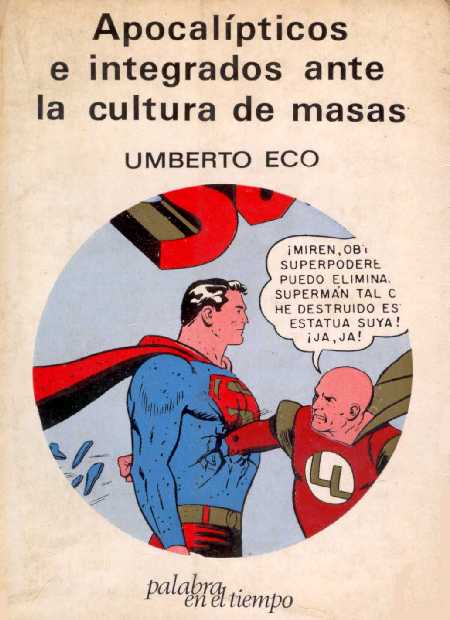









 Dr. Hugh Fox III