What is a monster? According to the online version of Merriam-Webster:
“1 a: an animal or plant of abnormal form or structure b: one who deviates from normal or acceptable behavior or character. “
Using definition (b), then just about every super villain would be a monster. If you add (a) then you still have super villains like Doctor Doom who are deformed. IGN already wrote an excellent article about DC versus Marvel super villains and I do not want to go over ground already covered. This article instead will focus on big monsters. The ultimate archetype of the big monster would be Godzilla. There is even a particular word in Japanese for this sort of monster: daikaijū. Monsters generally are big but how big does a monster have to be a daijuku? I think over 20 feet and if the monster can wrap his/her hand around your waist with one hand like King Kong picking up a damsel in distress then that’s the clincher.
DC
The Silver age was all about big monsters and although Kirby’s Silver age monsters over at Marvel get all the attention, you can actually find a ton of big monsters at DC if you know where to look.
Major Heroes
Aquaman faced three major giant sea monsters during the Silver age. The following Aquaman, volume 1, issues have a giant monster: #7- The Creatures from Atlantis, #20 – Two-Headed Beast, and #56 – The Creature that Devoured Detroit. All the monsters are one-shots and not memorable. Aquaman is often fighting a whale, giant jellyfish or giant shark or whatever but these are little two panel exercises not even worth mentioning. The author looked at 61 issues. The ratio of issues to monsters is 61 / 3 = 20.3
Batman has faced at least 20 giant monsters. In Batman volume 1, Batman fought: #75 – Gorilla Boss, #104 the Creature from 20,000 Fathoms, #134 – Rainbow Creature, #138 – Sea Beast, #142-Tezcatlipoca, #143 – Bat-Hound and the Creature, and #162 – The Batman Creature.
In Detective Comics, Batman fought giant monsters in #252-Creature from the Green Lagoon, #255 – Robot Dinosaurs, #270 – Creature from Planet X, #272 – Menace of the Crystal Creature, #277 – Jigsaw Creature from Space, #278 – Giant, # 279 – Creatures that Stalked Batman, #282 – Cave Eel, #288 – the Multiple Creature, # 291 – Creature of the Bat Cave, # 295 – Secret of the Beast Painting, # 297 – Beast of Koba Bay, and #303 – Murder in Skyland. The author looked at 667 Batman issues and 800 Detective Comics issues for a total of 1,467. The ratio of issues to monsters is 1467 / 20 = 73.35
Green Lantern faced four monsters in the Silver age in Green Lantern, volume 1, in issues: #6 – Giant monster on Xudar, #8 – Giant Gila Monster from the Future, #30 – Dinosaurs, #34 – Giant Iguana, #53 – Giant Alien. All the monsters are one-shots and not memorable. The author looked at 201 issues to find these four giants monsters. The ratio of issues to giant monsters is 201 / 4 = 50.25
The Legion of Super-Heroes deals with several alien and interstellar monsters in volume 1. The Monster Master even created the Legion of Super Monster’s which includes: the earthquake beast that can cause earthquakes, the eye monster can shoot lightning, heat-vision, x-rays, and blinding light, the mirror monster can reflect any energy force off its shiny armor-plated hide, the drill beast can drill through anything. Finally, the omnibeast can travel in space, air, land, or sea. Computo is yet another giant robot conqueror created by Braniac 5 who kills one of the bodies of Triplicate Girl in the Silver age and death in the Silver age is rare and special plot wise. The Sun-Eater is probably the biggest, baddest, giant monster in the DC universe. Galactus is the devourer of worlds but the Sun-Eater is a devourer of suns! The Sun-Eater is a weapon created by the Controllers, a super race in the DC universe and is generally mindless. Lighting Lad loses his arm to the Super-Moby Dick of Space in Action Comics #332. Any sort of permanent injury was almost unheard of in the Silver age so the giant monster is an integral part of an important story.
Superboy faced Validus when he was a member of the Legion of Super-Heroes. Validus is actually stronger than Superboy and it took the combined might of Superboy, Mon-El and Ultraboy to defeat Validus. The Silver age Superman and Superboy are much much stronger than the Modern Age Superman. Validus is probably the second most powerful giant monster in the DC universe after the Sun-Eater which did defeat Validus (Adventure Comics #353). Three important, powerful, giant monsters come out of the Legion of Super-Heroes including Computo, the Sun-Eater and Validus. The Legion of Super-Heroes breaks the pattern of many one-shot monsters that are not memorable in order to create monsters of great power that are memorable and an important part of the DC Universe history.
Superboy faced a few giant monsters as well. In Adventure Comics #30 there is a creature quite similar to Jimmy Olsen’s transformation into a Giant Turtle Man in Jimmy Olsen #53. Superboy fought a giant Thought Monster of Krypton as a baby and a boy in Superboy #87 and #102 respectively. In Adventure Comics #185, Superboy fought a Griffin. In Adventure Comics #196, Superboy fought Kingorilla, a giant ape.
Superman’s most famous giant monster is Titano the Super-Ape who was like King Kong with Green Kryptonite vision. In Adventure #295, the world is introduced to Bizzaro Titano that has Blue Kryptonite vision which is deadly to Bizzaros. Superman has also faced 17 other giant monsters in the pages of Superman including: #78- The Beast from Krypton, #86 – The Dragon from King Arthur’s Court, #110 – Giant Ant, the Flame Dragon of Krypton, #127 – Titano, #138-Titano, # 151-Child of the Beast from Krypton from issue #78, #246 Danger Monster at Work, #324 Titano Returns, #348 Storm God, #357- Cosmic Monster, #379 – Chemo.
In Action Comics, Superman faced monsters in #326 – Legion of Super-Creatures, #343 – Eterno, #502 – Galactic Golem, #516 – Army of Dinosaurs, #519 – Cosmic Creature, #664 – Tyrannosaurus Rex, # 671 – Sea Serpent, and #758 – Rock Lobster. The author looked at 666 Superman issues and 873 Action Comics for a total of 1539 to find the 18 monsters mentioned. The ratio of issues to monsters is 1539 / 18 = 85.5.
Wonder Woman faces 36 giant monsters in Wonder Woman volume 1 during the Silver age including #64 – The 3-D Terror, #66, #87 – Island of Giants, #91 – The Eagle Who Caged People, #97 – Dinosaur, #100 – The Forest of Giants, #105 – The Eagle of Space, #106 – Giants Olympic Contest, #109 – Wonder Girl in Giant Land, #112 – Chest of Monsters, #113 – Invasion of the Sphinx Creatures, #114 – The Monster Express, #116 – Cave of Secret Creatures, #119 – Sea Serpent, #120 – Secret of the Volcano Mt., #121 – The Island-Eater, #123 – Giant Cobra, #128 – Living Seaweed, #135 – The Attack of the Human Iceberg, #138 – Stone Giant, #143 – Fire Breathing Dragon, #145 – Phantom Sea-Beast, #146 – War of the Underwater Giants, #147 – Griffin & Giant Centipede, #148 – Dinosaur in a Department Store, #149 – Giant Flame Creature, #150 – The Phantom Fisher-Bird, #151 – Gooey Monster, #152 – Ice Bird, #154 – Boiling Man, #171 – Trap of the Demon Fish-Man, #233 – Jaws of the Leviathan, #239 – Animated Statue of Liberty, #257 – Dinosaur, #265 – Dinosaurs, and #284 – A Dragon Stalks the Streets. The author looked at 327 issues. The ratio of issues to monsters is 327 / 36 = 9.083. Wonder woman has the highest number of monsters among major heroes!
The Justice League of America had two memorable giant monsters including Starro and the Shaggy Man. Starro first appeared in Brave and Bold #28 and was the very first super villain that the Justice League of America faced! Starro has reappeared many times since then. The Shaggy Man first appeared in JLA #45 and is another giant monster that reappears several times albeit different persons assume the identity of the Shaggy Man. The Justice League had plenty of one shot monsters as well. The Justice League fought several Dungeons and Dragons type of giant monsters in JLA #2. In JLA #15 the Justice League fights an Easter Island sort of monster. Superman fights a giant purple roman robot in JLA #34. There are also one shot monsters that don’t even rate a proper name in JLA #36, #40, and #52. If you don’t count reappearances of Starro or the Shaggy Man then the Justice League fought eight monsters in 261 issues looked at (261/8 = 32.6).
The Second Tier Heroes
Jack Kirby’s contribution to monsters in the Marvel universe will be discussed in that section of the article but Jack Kirby also created a large number of monsters for the silver age Challengers of the Unknown. The tone was set in one of their earliest adventures in Showcase #7 when they fought a giant robot called Ultivac. In Challengers of the Unknown volume 1 there are giant robots 13 in the following issues: #16 -the Incredible Metal Monster, #18 – Invincible Beast of Tomorrow, #19 Beasts of Tomorrow, #20 Cosmic Powered Creatures, #22 the Creature Challenger Mountain, #26 – Aqua Beast, #27-Volcano Man, # 32 Volcano Man returns, #35 – Moon-Beast, #41 – Quadruple Man, #47 – Sponge Man, #51-Sponge Man returns, and #59-The Petrified Giant. The author looked at 91 issues to find the 13 giant monsters. The ratio of monsters to issues is 91 /13 = 7.
The Silver age Doom Patrol had one giant monster they fought more than once and that was the Animal-Vegetable-Mineral Man. Doom Patrol ,volume 1, had the Animal-Vegetable-Mineral Man in #89, #93 – Giant Robot, #95 Return of the Animal-Vegetable-Mineral Man, #96 – Giant Jukebox, #97 – Elasti-Girl Transforms to Crystal Giant Menace, #100 – Dinosaur, #103 – Meteor Man, #105 – Mr. 103, #106 – Mr. 103 returns looking like the Animal-Vegetable-Mineral Man, #109 – Mandred the Executioner, #111-Zarox 13 King of the Criminal Cosmos, #113 – Arsenal, #114 – Kor the Conqueror, #115 – The Mutant Master, and #116 – The Galactic Gladiator. The Doom Patrol fought 14 monsters in 39 issues. The ratio of issues to monsters is 39 / 14 = 2.7.
The Metal Men battled several giant robots that fit the giant monster definition but one of the more famous giant monsters of DC is not a robot: Chemo. Chemo is a collection of chemicals that comes to life. Chemo is vaguely malevolent but mostly mindless. Unlike the giant robots that the Metal Men fought, Chemo survived past the Silver age and made it to the Modern Age. Chemo was a major character in the Infinite Crisis series (2005). Some of the giant robots the Metal Men fought include the Skyscraper Robot, Torgola, the Rebel Robot, Robot Juggernauts, and Volcano Man, who is not a robot. The Doom Patrol and Challengers of the Unknown also fight a Volcano Man but I don’t think this is the same one. The author looked at 56 issues. The Metal Men battled 6 big monsters. The ratio of issues to monster is 56 / 6 = 9.3.
Rip Hunter Time Master in the Silver age is another “B” title that has more than its share of big monsters. Ripe Hunter is a time traveler that seems to find big monsters in every age not just the prehistoric ones. Rip Hunter and his time traveling team fought ten giant monsters. Big monsters are in #1 – 1,000 Year Old Curse, the volcano Creature, #2 – The Alien Beasts from 500 BC, #3 – Giant Octopus sort of creature, #5 – Alien Beast, #7 – Dinosaurs in the past, #8 – Giant Genie, #9 – Alien Flying Creature, #18 – Dinosaur but in the future, 2550 AD, #28 – Rip is turned into a giant monster, and #29 – Giant insects in the present. The author looked at 30 issues. The ratio of issues to monsters is 30 / 10 = 3.
The Silver age Teen Titans were a second tier super hero team. In the Modern age the Teen Titans became a first tier super hero team and giant monsters disappeared from their pages. In volume 1, the Silver age, Teen Titans giant monsters appeared in the following issues: #1 – The Beast-God of Xochatan, #2 – The Million Year Old Teenager (Giant Caveman), #8 – A Killer Called Honey Bun (Giant Robot), and #32 – A World Gone Mad (Sea Monster). There were four monsters. The author looked at 53 issues of volume 1 of the Teen Titans. The ratio of issues to monsters is 53 / 4 = 13.
Tomahawk is an especially odd Silver age second tier hero in an era of odd heroes. Tomahawk is an American Revolution hero who fights British redcoats and their Native American allies except they are definitely called American Indians in these pre-PC comic books. Tomahawk has the distinction of fighting lots of giant American Indians during the Silver age. Tomahawk fights giant monsters in the following Issues: #46 – The Valley of Giant Warriors (Giant Indians), #58 – The Frontier Dinosaur, #64 – Mystery of the Giant Warrior (Giant Indian), #67 – The Beast from the Deep, #70 – Secret of the Iron Chief (Giant Indian Robot), #73 – Secret of the Indian Sorceress (Giant Sea Serpent), #74 – The Beast from the Labyrinth (Pink Stegosaurus), #75 Master of the Legendary Warrior (Giant Indian with fangs), #78 – Legend of the Sea Beast (Sea Serpent), #82 – Lost Land of the Pale-Face Tribe (Dinosaur), #86 – Tomahawk vs. King Colosso (Giant Ape), #89 – The Terrible Tree Man (Giant Tree Man), #90 – The Ranger vs. the Prisoner in the Pit (Giant Reptile), #91 – The Indian Tribe Below the Earth (Giant Salamander), #92 – The Petrified Sentry of Peaceful Valley (Giant Petrified Indian), The Return of King Colosso (Giant Ape returns), #94 – Rip Van Ranger (Giant Bird), #95 – Tribe Beneath the Sea (Giant Fish), #99 – King Cobweb and his Giant Insects (Giant Insects controlled by Indian), #100 – The Weird Water-Tomahawk (Giant Water Creature), #102 – The Dragon Killers (Dragon), #103 – The Frontier Frankenstein (Giant Frankenstein), #104 – The Fearful Freaks of Dunham’s Dungeon, #105 – Attack of the Gator God (Giant Reptile), #107 – Double-Cross of the Gorilla-Ranger (Giant Ape), #109 – The Caveman Ranger (Dinosaurs), and #115 – The Deadly Flaming Ranger (Giant Flame Creature). The author looked at a 129 issues of Tomahawk. Tomahawk fights giant monsters in 27 issues. The ratio of issues to monsters is 129 / 27 = 4.7. Tomahawk also has the honor of having fought four giant Indians! I think this has to be some sort of hero record.
Blackhawk had several one-shot monsters including Blackhawk #120 (Metal Cyclops), #140 (Tyrannosaurus Rex), #146 (Giant Mechanical Scorpion), #148 (Flying Serpent), #150 (Giant Eagle), #152 (Octi-Ape, Ape with eight limbs), #154 (Beast that Time Forgot), #164 (Twin Creatures of Blackhawk Island), #193 (Valley of the Angry Giants, Giant Mesoamerican Indians), #198 (Giant Nazi Robot), and #226 (Secret Monster of Blackhawk Island). The author looked at 96 issues and found monsters in 11 of them. The ratio of monsters to issues is 8.7.
Speculative Fiction Anthologies
In the Silver age both DC and Marvel had speculative fiction anthologies and these were the true homes of monsters and big monsters in general. The vast majority of monsters in both the DC and Marvel universes were created in these speculative fiction anthologies.
House of Mystery, volume 1, has big monsters in the following issues: #41 – Brontosaurus, #53 – Forbidden Statues, #70 – The Creatures from Nowhere, #71 – Moon Goddess, #74 – Dragon of Time Square, #79 – Creature of Inner Space, #80 – Earth’s Super Prisoner, #85 – Easter Island Monsters and similar to Marvel’s the Things on Easter Island, #86 – The Beast that Slept 1,000 Years, #87 – The Menacing Pet from Pluto, #89 – Secret of the Cave Light, #90 – The Runaway Bronc from Venus, #91 – The Forbidden Face of Fa-San, #96 – Pirate Brain, #99 – The Beast with Three Lives, #101 – The Magnificent Monster, #102 – Cellmate to a Monster, #104 – The Seeing Eye Man, #107 – Captives of the Alien Fishermen, #109 – Secret of the Hybrid Creatures, #110 – The Beast that Stalked Through Time, #111 – Operation Beast-Slayer, #112 – The Menace of Craven’s Creatures, #113 – Prisoners of Beast Asteroid, #114 – The Movies from Nowhere, #118 – Secret of the Super-Gorillas, #119 – The Deadly Gift from the Stars, #120 – The Cat-Man of Kanga Peak, #123 – Lure of the Decoy Creature, #125 – The Fantastic Camera Creature, #130 – Alien Creature Hunt, #131 – Vengeance of the Geyser God, #132 – Beware the Invisible Master, #133 – The Captive Queen of Beast Island, #134 – The Secret Prisoner of Darkmoor Dungeon, #138 – The Creature Must Die, #140 – Giant Alien, #141 – The Alien Gladiator, #143 Martian Manhunter’s sidekick Zook becomes a giant monster, #149 – Giant Insects, #152 Martian Manhunter fights a giant alien named the Creature King, #153 – Martian Manhunter fights the Giants who slept 1,000 years, and #154 – Prisoner of the Purple Demon. House of Mystery had 46 giant monsters. The author looked at 300 issues. The ratio of issues to monsters is 300 / 46 = 6.5.
House of Secrets, volume 1, had monsters in the following issues: #1 – House of Doom, #11 – The Man Who Couldn’t Stop Growing, #19 – Lair of the Dragonfly, #24 – Beast from the Box, #25 – Secret of the Sea Monsters, #26 – Menace of the Alien Ape, #27 – Secret of the Fossil Egg, #28 – Horse like Monster, #29 – Queen of the Beasts, #30 – Creature City, #31 – Hybrid Monster, #34 – Puzzle of the Plundering Creatures, #37 – Secret of the Captive Creature, #38 – The Fantastic Flower Creatures, #39 – Alien Bird of Prey, #40 – Master of the Space Beasts, #41 – Dinosaur in Times Square, #44 – Valley of Doomed Creatures, #45 – Destiny of Dooms, #47 – Creatures of Camouflage Forest, #48 – Beware the Guardian Beast, #51 – Mystery of the Stolen Creatures, #53 – Mark Merlin’s Giant Double, #55 – Battle of the Titans, #63 – Cave filled with various giant monsters, #69 – Kill the Giant Cats, #71 – Giant Who Once Ruled Earth, #72 – Revolt of the Morloo, and #73 – Eclipso Battles the Sea Titan. House of Secrets had 29 big monsters. The author looked at 153 issues. The ratio of issues to monsters is 153 / 29 = 5.2.
Strange Adventures did “spawn” one memorable giant amphibian and that is the giant frogs. The frogs appeared in issues #130 and # 155. The giant frogs are pictured below:
Also the Faceless Hunter from Saturn first appeared in issues #124, #142, and #153. The Faceless Hunter from Saturn has made several appearances in the Modern age and even was in a cartoon episode of Batman: Brave and Bold (Siege of Starro! Part Two, Season 2, Episode 15). Also yellow giants with ears shaped like butterflies who collected humans like humans collect butterflies appeared in issues #119 and #159. Giant monsters that appeared in volume one of Strange Adventures include: #7 – Giant Ants, #11 – Serpent, #21 – The Monster that Fished Men, #28 – Indestructible Giant, #30 – The Great Ant Circus, #41 – Dinosaurs, #44 – Giant Plant, #50 – World Wrecker Robot, #52 – Prisoner of the Parakeets, #72 – The Skyscraper came to Life, #76 – The Tallest Man on Earth, #82 – Giants of the Cosmic Ray, #91 – Giant from Jupiter, #97 – Secret of the Space – Giant, #101 – Giant from Stalk, #104 – World of Doomed Spacemen, #112 – Menace of the Size-Changing Spaceman, #113 – Deluge from Space, #118 – The Turtle Men from Space, #119 – Raiders from the Giant World, #120 – Attack of the Oil Demons, #122 – David and the Space Goliath, #123 – Secret of the Rocket-Destroyer, #124 – The Face-Hunter from Saturn, #125 – The Flying Gorilla Menace, #127 – Menace from the Earth Globe, #129 – The Giant Who Stole Mountains, #130 – War with Giant Frogs, #133 – Invisible Dinosaurs, #139 – The Space Roots of Evil, #142 – Return of the Faceless Creature, #151 – Invasion via Radio-Telescope, #153 – Threat of the Faceless Creature, # 155 – Return of the Giants Frogs, #157 -Plight of the Human Cocoons, #159 – The Maze of Time, #165 – Secret of the Insect Men, #167 – Gorko the Night Creature, #168 – The Hand that Erased Earth, #170 – The Creature from Strange Adventures (Infinity Cover), #193 – Zomzu the Living Colossus, and #194 – The Bracelet of Deadly Charms. Some of the monsters already identified were reprinted in later issues of Strange Adventures. Strange Adventures yields 42 giant monsters! The author looked at 232 issues for this article. The ratio of issues to big monster is 232 / 42 = 5.5.
Tales of the Unexpected had big monsters in issues #17 – Moon Beast, #20 – You Stole Our Planet, #36 – Prisoners’ of the Lighthouse Creatures, #40 – Battle of the Colossal Creatures, #48 – The Beast from the Invisible World, #50 – Sun-Creature, #51 – Mercurian Quill Thrower, #52-Guardian Beasts of the Life Stone, #53 – Creature in the Glass Ball, # 54 – Dinosaurs of Space, #55 – Ghost Creatures of Phobos, #57 – The Jungle Beasts of Jupiter, #59-Org, #60-The Beasts from Space Seeds, #61 – Guardians of the Moon Emperor’s Treasure, #63 – Secret of the Space Circus, #65 – The Alien Brat from Planet Byra, #67 – The Beast that Space Ranger Protected, #68 – Prisoner of the Giant Robot, and #70 – Xorog, #201 – Giant Rabbit! Tales of the Unexpected has 21 big monsters. The author looked at 208 issues. The ratio of issues to monsters is 208 / 21 = 9.9.
Conclusion
Overall, the secret to finding big monsters in the DC universe is to focus on the Silver age. Also do not to look in the mainstream hero comics like Aquaman, Batman, Green Lantern and Superman. The range of ratios for first tier heroes is 20.3-90.5.
However, every other issue in the second tier comics hero comics like the Doom Patrol, Metal Men, Rip Hunter Time Master, Teen Titans, Tomahawk, Challengers of the Unknown, and the Sea Devils has big monsters. The range of ratios was 2.7-9.3. So a big monster is more or less ten times more likely to show up in a second tier hero adventure than a first tier hero adventure.
My theory is that the editors felt that if the hero could not sell the magazine then maybe a giant monster plastered on the cover could. Also, one of the defining flaws of the second tier heroes is a lack of a roster of strong recurring super villains. Big monsters were used as a substitute for strong villains and this strategy in hindsight was not very successful.
The speculative fiction anthologies: House of Mystery, House of Secrets, Tales of the Unexpected, and Strange Adventures are the place to find the vast majority of DC monsters. The speculative fiction anthologies are generally called science fiction comic books but I think this is a misclassification. These Silver Age anthologies spanned the spectrum of horror to fantasy to science fiction and actually quite a bit of supernatural fiction. They were the comic book equivalent of the Twilight Zone, definitely speculative fiction rather than the Outer Limits, a more narrowly science fiction show. The monsters in these anthologies span the gamut of supernatural to horror to science fiction monsters. The Vertigo Modern Age reboots of the House of Mystery and Strange Adventures stay far away from giant monsters that are still popular but considered cheesy and not up to the artistic standards of the Vertigo press. The range of ratios for the speculative fiction anthologies was from 5.2-9.9. This range of ratios is similar to the range of second tier heroes. However the range is greater for second tier heroes.
Wonder Woman (9.083 ratio) is an exception to the first tier hero rule. In particular, the Silver age, Wonder Woman was fighting giant men in a large number of issues. More detailed analysis shows that these giants often treat Wonder Woman like a plaything or even jewelry of the giants. All the giants in Wonder Woman probably reflect some weird psychosexual dynamic at work as is often the case with the Wonder Woman title from the Golden age all the way the way to the present. Could some sort of role reversal be at work? Young boys who are sick of being pushed around by their giant mothers derive vicarious pleasure from seeing Wonder Woman being played with by giant men? Or did Wonder Woman just attract the weirdos of the comic book industry?
MARVEL
First of all I want to give special thanks to the Monster Blog! This website is the ultimate online resource for anyone who is interested in the vast number of monsters that Jack Kirby and Stan Lee created. These monsters are often referred to as Kirby monsters. The blog lists 210 monsters and almost all of them fit the big monster definition. If you remove all human monsters, monsters that are too small, and imaginary monsters, then are still left with the following list of big monsters:
I have not included Godzilla in the list of giant monsters at Marvel! Godzilla is a Toho Studios monster and his foray into the Marvel universe was poor fit. Marvel no longer has the licensing rights to Godzilla and hopefully this sorry episode in the Marvel Universe is dead, dead, dead, forever. Godzilla could lift 20,000 tons with ease. Thor and the Hulk are 100 ton lifters! So this interloper is about 200 times stronger than the heavyweights of the Marvel Universe! How can Marvel superheroes fight this guy at all? Yet they do rather than being squashed like ants! Suspension of belief is a delicate thing that Godzilla in the Marvel Universe practically destroyed. Just a poor fit on every level. Keep in mind I am the author of Hello Kitty vs. Godzilla so when I find a story to be over the top then that’s saying a lot.
There is a misconception that Marvel has more monsters, especially giant monsters, than DC. DC actually created more monsters during the Silver age than Marvel but they were much less memorable and spread across many titles as one-shots and many of the monsters did not even have names. Ironically, Kirby did have a monster comic book at DC, Challengers of the Unknown, but the fact that this comic book was filled with monsters has been totally ignored until now.
Fing Fang Foom is easily the premiere giant monster at Marvel. Fing Fang Foom has appeared in over 20 issues across the spectrum of Marvel titles. Fing Fang Foom appears in toy form in Iron Man 2008. Fing Fang Foom in the only Kirby monster to be made into a HeroClix giant figure! Fing Fang Foom is arguably one of the more interesting Kirby monsters visually as you can see from the HeroClix figure picture below:
Validus faces off against Fing Fang Foom. Fing Fang Foom can sense that Validus has a the mind of a child and tries to communicate with Validus but Validus is immune to telepathy. Validus rips off one of Fing Fang Foom’s arms with ease. Fing Fang Foom is a genius level strategist and decides it.s time to run for the hills. Fing Fang Foom starts to fly away. Validus does not have the power of flight. Validus zaps Fing Fang Foom from the sky with his unique mental lightning which can even knock out the Silver Age Superboy. Fing Fang Foom decides to die ironically, and as Validus cradles the dying Fing Fang Foom, Fing Fang Foom says, “Rosebud” with his dying breath. Validus doesn’t get the joke and looks for something else to smash.
This is a review of the brand new comic book The Stalker. The writer is Bradley Potts, a newcomer and the seasoned artist, Trevor Von EEden (http://www.trevorvoneeden.com/). Von Eeden has done art for various DC titles including Black Lightning, Batman, Green Arrow, and Black Canary. The Stalker is published by Gateway Comics(http://www.gatewaycomicsonline.com/).
The Stalker is a story of vengeance but with an interesting twist. The Stalker is female and has been the sidekick of the Defender for years. Her mother had been the Stalker with the Defender before being murdered. In this first issue the new Stalker decides that in order to avenge the death of her mother, she must break out on her own. Generally comic books do not spend a lot of time on back story in the first issue but Potts does. This makes the characters more multidimensional and interesting than is usual for comic books. The Stalker inhabits a complex universe.
The art has some unique features. There are a high number of panels per page and I am sure this is a deliberate effect from an experienced artist like Von Eeden. This dense panel format gives the reader a sense of walking through a labyrinth and this effect matches the narrative of the story nicely. The use of borderline monochromatic coloring in certain pages and certain collections of panels adds to the visual drama of the comic book.
There is an almost Tarantinoesque quality to the street scenes. The action scenes are dramatic. The Stalker is portrayed visually as having a balletic fighting style that is in contrast to the more brutal fighting style of the men in this universe. This is a gritty street level universe that Batman and Black Canary would understand and Von Eeden’s prior work with those titles shows. Overall, The Stalker is a good read and I looked forward to the next issue of the plot arc Donning the Mask that has started with issue #1.
This post will compare sidekicks of the DC and Marvel universes. Which universe has the best sidekicks? First of all, what is a sidekick? Wikipedia provides the following definition “A sidekick is a close companion who is generally regarded as subordinate to the one he accompanies”. Wikipedia in the same article expands on the functions of a sidekick “Sidekicks can provide one or multiple functions, such as a counterpoint to the hero, an alternate point of view, or knowledge, skills, or anything else the hero doesn’t have. They often function as comic relief, and/or the straight man to the hero’s comedic actions. A sidekick can also act as someone more relatable to the audience than the hero, or whom the audience can imagine themselves as being (such as teen sidekicks). And by asking questions of the hero, or giving the hero someone to talk to, the sidekick provides an opportunity for the author to provide exposition, thereby filling the same role as a Greek chorus”. A sidekick is not a villain’s henchmen or the romantic interest of a hero which is generally referred to as a companion.
The picture above got me thinking about sidekicks. The picture is from page 199 of the graphic novel Bizzaro Comics (2001). Bizzaro Comics is a hilarious collection of indie writers and artist’s parodies of DC comic titles. This picture is from the story titled Without You I’m Nothing and follows the travails of obscure discarded sidekicks. I am a comic book historian and do get a kick out of stories that use obscure characters like this story does. I was not able to identify all the side kicks in the picture but have a partial answer key at the end of this post. This post also attempts to provide definitive lists of sidekicks in the DC and Marvel universes and the Wikipedia definition was strictly adhered to. Many obscure characters that have not been included in prior lists of this nature have been included in this post. Below is a definitive list of DC sidekicks that will be discussed later.
List of DC Sidekicks
Superhero
Sidekick
First Appearance
Aquaman
Aquagirl 1 (Lisa Morel)
Adventure Comics #266 (November, 1959)
Aquaman
Aquagirl 2 (Tula)
Aquaman (vol. 1) #33 (May-June 1967)
Aquaman
Aqualad (Garth)
Adventure Comics #269 (February 1960)
Aquaman
Topo (Octopus)
Adventure Comics #229 (October 1956)
Aquaman
Qwsp
Aquaman (vol. 1) #1 (January-February 1962)
Batman
Ace the Bat Hound
Batman #92, June 1955
Batman
Alfred Pennyworth (Butler)
Batman #16 (April-May 1943
Batman
Bat-Girl (Bette Kane)
Batman #139 (April 1961)
Batman
Batgirl (Barbara Gordon)
Detective Comics #359 (January 1967)
Batman
Batgirl (Cassandra Cain)
Legends of the Dark Knight # 120 (August 1999)
Batman
Robin 1 (Dick Grayson)
Detective Comics #38 (April 1940)
Batman
Robin 2 (Jason Todd)
Batman #357 (March 1983)
Batman
Robin 3 (Tim Drake)
Batman #436 (August 1989)
Batman
Robin 4, Spoiler, Batgirl (Stephanie Brown)
Detective Comics #647 (August 1992)
Batman
Robin 5 (Damian Wayne)
Batman #655 (September 2006)
Batman
Robin Earth II (Richard Grayson)
Detective Comics #38 (April, 1940)
Blackhawk
Lady Blackhawk (Zinda)
Blackhawk # 133 (February 1959)
Blue Devil
Kid Devil
Blue Devil #14 (July 1985)
Booster Gold
Goldstar
Lobo #5 (May ’94)
Booster Gold
Skeets
Booster Gold (vol. 1) #1 (1986)
Captain Marvel
Captain Marvel Jr.
Whiz Comics #25 (December 1941)
Captain Marvel
Lieutenant Marvels
Whiz Comics #21 (1941)
Captain Marvel
Mr. Tawky Tawny (Anthropomorphic Tiger)
Captain Marvel Adventures #79
Captain Marvel
Uncle Marvel
Wow Comics #18 (October 1943)
Captain Mid-Nite
Hooty the Owl
All-American Comics #25 (April, 1941)
Chameleon Boy
Proty I
Adventure Comics #308 (May 1963)
Chameleon Boy
Proty II
Superman’s Pal, Jimmy Olsen #72 (October 1963)
Crimson Avenger
Wing How
Detective Comics #20 (October 1938)
Flash
Impulse (Bart Allen)
Flash (vol. 2) #92 (June 1994)
Flash
Kid Flash I (Wally West)
The Flash (vol. 1) #110 (December 1959)
Flash
Kid Flash II (Iris West)
Kingdom Come #3 (July 1996)
Flash
Kid Flash III (Bart Allen)
Teen Titans (vol. 3) #4 (December 2003)
Flash
S’kidd Flash
Flash vol 2 #235 (February, 2008)
General Glory
Ernie the Battling Boy
Justice League America # 46 (January 1991)
Green Arrow
Amber Archer (Connor Hawke)
Green Arrow vol 2 #0 (October, 1994)
Green Arrow
Arrowette
World’s Finest Comics #113 (November 1960)
Green Arrow
Speedy I (Roy Harper)
More Fun Comics #73 (November 1941)
Green Arrow
Speedy II (Mia Dearden)
Green Arrow (vol. 3) #44 (January 2005)
Green Lantern
Gen’ma
Legion of Super-Heroes in the 31st Century #6
Green Lantern
Doiby Dickles
All-American Comics #27 (June 1941)
Green Lantern
Terry Berg
Green Lantern (vol. 3) #129 (October 2000)
Green Lantern
Thomas Kalmaku (Pieface)
Green Lantern (Vol. 2) #2 (September-October 1960)
Icon
Rocket
Icon #1 (May 1993)
Johnny Thunder
Black Lightning the Horse
Flash Comics #1 (January 1940)
Joker
Harley Quinn
The Batman Adventures #12 (September 1993)
Justice League of America
Snapper Carr
The Brave and the Bold #28 (February-March 1960)
Justice League International
G’nort (Green Lantern, Humanoid Dog)
Justice League International#10 (February, 1988)
Knight
Squire (Cyril)
Batman #62,(December 1950)
Little Boy Blue
Tubby, Toughy
Sensation Comics #1 (January, 1942)
Martian Manhunter
Zook
Detective Comics #311 (January, 1963).
Mr. Scarlet
Pinky the Whiz Kid
Wow Comics #4 (1940)
Owlman
Talon
Teen Titans vol. 3 #38 (September 2006)
Plastic Man
Woozy Winks
Police Comics #13 (November 1942)
Robin
Flamebird (Mary Elizabeth Kane)
Teen Titans #50 (October, 1977)
Tomahawk
Dan Hunter
Star-Spangled Comics #69 (June 1947)
Sandman
Brute
The Sandman #1 (May 1974)
Sandman
Glob
The Sandman #1 (May 1974)
Sandman
Sandy the Golden Boy (Sandy Hawkins)
Adventure Comics # 69 (December 1941)
Space Ranger
Cyrll
Showcase #15, (July 1958)
Star Hawkins
Ilda (Robot)
Strange Adventures #114 (March 1960)
Star-Spangled Kid
Stripsey (Pat Dugan)
Action Comics #40 (September, 1941).
Superboy
Pete Ross
Superboy #86 (January 1961)
Super-Girl
Comet the Super-Horse (Biron)
Action Comics #292 (1962)
Super-Girl
Streaky the Super-Cat
Action Comics #292 (1962)
Superman
Bo “Bibbo” Bibbowski
Adventures of Superman #428 (May 1987)
Superman
Jimmy Olsen
Action Comics #6 (November 1938)
Superman
Krypto
Adventure Comics #210 (March 1955)
Superman
Super-Girl
Superman #123 (August 1958)
TNT
Dan the Dyna-Mite (Daniel Dunbar)
World’s Finest Comics #5 (Spring 1942)
Vigilante
Stuff the Chinatown Kid
Action Comics #45 (February 1942)
Wonder Woman
Etta Candy
Sensation Comics #2 (Feb. 1942)
Wonder Woman
Wonder Girl 1 (Wonder Woman as a teenager)
All-Star Comics #8 (December 1941),
Wonder Woman
Wonder Girl 2 (Donna Troy)
The Brave and the Bold vol. 1 #60 (July 1965)
Wonder Woman
Wonder Tot
Wonder Woman #105 (April, 1959)
Robin wins the best DC sidekick prize easily. Robin is the first teenage super hero sidekick and if imitation is the sincerest form of flattery then Robin has been flattered to death. DC went ahead and created an army of teenage sidekicks. Eventually the teenage sidekicks of the major superheroes founded a teenage sidekick version of the Justice League called the Teen Titans. The original Teen Titans included Aqualad, Kid Flash, Robin and Wondergirl. Later still, Young Justice is created. The Teen Titans and Young Justice meet in a giant sidekick crossover between their two groups.
The obvious absurdity of Robin is that crime fighting is dangerous work even for an adult like Batman and introducing a minor to crime fighting makes no sense whatsoever except as a plot device. Batman’s villains were obviously very aware that Robin was the weak link and Two-Face even referred to Robin as the boy hostage. The psychologist Fredric Wertham decided there was a homosexual subtext in the Batman and Robin relationship and wrote about this in Seduction of the Innocent. Batman goes through a whole slew of Robins and eventually one gets killed brutally by the Joker with a crow bar in a Death in the Family. Jason Todd is the lucky Robin to suffer death and the best part is that readers entered a poll to decide if he lived or died. Truly a low point in comic book history but a lot of Batman issues were sold so all in all the project was a success. Later Robin 4 (Stephanie Brown) in the identity of the Spoiler is even more brutally killed by the Black Mask with a power drill.
Of course no one really dies in comic books so Jason Todd return as the Red Hood and wants some payback from Batman for letting him die and secondly, and probably more importantly letting the Joker live. The five Robins all get starring roles after Batman “dies”. The ex-Robins have all become heroes in their own right. I would argue that the Red Hood is an antihero not a villain. Robin 1, Dick Grayson, has become Nightwing. Robin 3, Tim Drake, becomes Red Robin. Stephanie brown is resurrected from her power drill death and becomes Batgirl. The male Robins are all potential impersonators of the dead Batman. The Red Hood gets in the act and kind of forces Dick Grayson to become the new Batman because if he doesn’t then the Red Hood will assume the role. The potential heirs to Batman agree that the death of Batman should be hidden and one of them should pretend to be the original Batman. This is similar to the Phantom, the ghost who walks that has the son of the prior Phantom assume the role of the Phantom so as to give the illusion that the Phantom never dies. The Robins are basically sons of Batman but unfortunately there is more than one son i.e. more than one Robin and succession is not clear. This jockeying between the Robins is largely covered in the Batman miniseries Battle for the Cowl but this power struggle affected all Batman related titles of the last year. Dick Grayson does a good job impersonating Batman but doesn’t fool Commissioner Gordon. The new Batman of course needs a new Robin and gets a psychopath kid, due to being trained by the League of Assassins since childhood. This new Robin is the long lost son of Bruce Wayne and called Damian Wayne. Confused? Everyone is confused so don’t feel bad. I am sure the writers of the Batman lines have cheat cards on their desks. Will the barnacles of Batman history eventually sink the line? Maybe!
Robin and his teenage copies at DC and even Marvel have so dominated the sidekick market in comic books that readers tend not to look at the broader literary concept of a sidekick when looking at comic books. Another Batman sidekick is Alfred Pennyworth. Alfred provides an alternate point of view to the audience as well as the ability to aid Batman when he is hurt. Alfred has surgical skills gained when Alfred was an army medic. Alfred was also in the theater and can pretend to be Batman when needed. This is a rarely used skill of Alfred that is nevertheless crucial when someone is too close to discovering Batman’s identity. Robin is presumably too small to provide a similar function and anyway Robin needs to be by Batman’s side so people don’t think Robin is pretending to be Batman. Alfred Pennyworth can be extremely critical and sarcastic with Batman unlike the army of Robins. Alfred provides an “adult” perspective about Batman to the reader. Alfred has known Batman since he was a child. Alfred is aware of the how the killing of Batman’s parents made Batman a great crime fighter at the expense of a normal life. The Red Hood has argued with Batman that most of his hard core rogues gallery only fear death and the fact that Batman does not kill and the fact that the villains know this limits the effectiveness of Batman as a crime fighter. Batman may be able to instill fear in common criminals but provides more challenge than fear to the likes of the Joker. In Batman #647, Alfred actually agrees with the Red Hood mentally but does not express his views to Batman verbally.
Batman is a serial teenage sidekick mentor and there is something very creepy about this. Any “normal” person would not expose even one minor to extreme violence and certainly would not continue this behavior after the death of Jason Todd much less the subsequent death of Stephanie Brown. Alfred has expressed dismay about the use of teenage sidekicks many times to Batman. However, Alfred in the end is the dutiful butler who does what his master wishes despite any misgivings about such a course of action. Alfred’s subordination to Batman’s wishes despite sarcastic remarks is what makes Alfred a sidekick rather than an equal partner. Batman is not the only member of the Batman story line with a sidekick.
The Joker, Batman’s archenemy, has a sidekick! Villains generally do not have sidekicks but henchmen, minions or lackeys. Villains are generally egomaniacs and incapable of having long lasting meaningful relationships or so the theory goes. Villains see their henchmen as disposable cannon fodder. The Joker generally treats those around him in precisely this manner but there is one exception and that is Harley Quinn. Harley Quinn was a female psychiatrist that treated the Joker at Arkham Asylum and turned to the dark side rather than curing the Joker. Harley Quinn is in love with the Joker but the relationship has clearly never been consummated. The Joker obviously sees Harley Quinn as a capable sidekick even if Harley Quinn wants more. Harley Quinn is a near superhuman gymnast who uses her skill with great combat effectiveness. Harley Quinn wears a Jester outfit and became friends with Poison Ivy at Arkham were she ironically resided after her break down. Harley Quinn provides comic relief to Joker stories that despite the name of the Joker were not very funny before Harley Quinn showed up.
The Joker had been jealous of Batman having Robin as a sidekick in the silver age and got his own one-shot sidekick in Batman #186 called Gaggy. The main function of Gaggy was to provide comic relief to then Joker since such comic relief led to the Joker having great crime ideas. Gaggy rather simplistically hated Robin and managed to knock Robin out with a head butt to the stomach. Gaggy was never heard of after that one issue. I think an issue in which Gaggy, embittered by being discarded by the Joker, targets Harley Quinn for assassination might be interesting. Harley Quinn turns to Batman to figure out who is trying to kill her and clues are left that the culprit is a dwarf with a penchant for practical joke paraphernalia. Since not an awful lot of characters fit that description, Batman deduces that the culprit is Gaggy! Did I mention I like obscure comic book characters? Batman’s sidekicks on the whole do not provide comic relief. This is not the case of Captain Marvel.
Captain Marvel also has an army of sidekicks but largely for comic relief. Mr. Tawky Tawny is an anthropomorphic tiger i.e. a funny animal that gets into all sorts of silly trouble Captain Marvel can save the tiger from. Uncle Marvel is an older bumbling version of Captain Marvel. Captain Marvel was always a sillier line than his doppelganger Superman.
Flash is another serial sidekick character that has gone through three Kid Flash characters. Kid Flash was clearly inspired by Robin. Super speed is a major power that is very much underestimated in comic books. Basically you can hit the bad guy a hundred times and dodge whatever the bad guy tosses at you. “Realistically” the foes of the Flash should stand no chance against the Flash. Captain Cold has a freeze gun. The Flash should be able to dodge anything the cold gun can come up with. A teenager with super speed is still incredibly powerful despite being a teenager unlike Robin who has no super powers and even the inferior strength of someone who is younger. Maybe a Kid Flash can only punch with half the power of an adult but a hundred punches later and even the toughest boxer is going down.
Green Arrow has had two teenage sidekicks named Speedy. The first Speedy grows up to become a heroin addict, but recovers, and there is some suggestion that maybe crime fighting as a teenager might not be all that healthy psychologically and contributed to the heroin addiction.
Superman only has one teenage sidekick and that is Jimmy Olsen. In the silver age, Jimmy Olsen was officially Superman’s best pal and again very creepy if you think about it. Superman is perennially in his early thirties and if I saw some thirty year old hanging around a teen rather than a guy his own age then I would wonder exactly what function this teenager serves. Jimmy even has a watch with an ultrasonic signal that allows him to call Superman when he is in danger. Lois Lane does not have such a watch! Teenage guy gets the watch but not the gal? Maybe the silver age Superman had reasons for not marrying Lois Lane that had more to do with subconscious gender preference than any other reason.
Superman has a dog called Krypto. In the silver age, Batman got a dog called Ace but there is no comparison with Krypto and Ace in terms of importance. Superman in the silver age was Superboy and Krypto and Superboy were constant companions. This is one of the healthier sidekick relationships in comic books. Krypto cannot talk but can communicate to the reader via thought balloons that show what Krypto is thinking. Krypto’s attempts to understand Superboy’s behavior using canine logic were pretty cute and comical and one of the few things that made the otherwise lame Superboy title work.
The current Supergirl has no hyphen between “Super” and “Girl” in her name. The current Supergirl is a hot babe in a half shirt who has fled to the 31st century to avoid being a sidekick! The silver age Super-Girl, on the other hand, was very much a sidekick. She was teenager attending high school and was kept as a secret weapon for much of her silver age career. Super-Girl was Superman’s cousin so no fear of hanky-panky that would make her a companion. However, Super-Girl does try to match Superman up with an adult version of her on another planet!
Super-Girl has sidekicks in her own right! Super-Girl has a super cat named Streaky and a super horse named Comet. Somewhere in the Superman family there is a super monkey named Beppo but I am not really sure who he belongs to. All the super animals unite with Proty to create the Legion of Super-Heroes in the 31st century. Years later Marvel will make its own group of superhero animal sidekicks. Proty is the sidekick of Chameleon Boy who is a member of the Legion of Super Heroes of the 31st century. Proty I sacrificed himself to revive the dead Lighting Lad but a Proty II soon shows up. Proty I and II are aliens that look like blobs and can mimic just about any form.
That leaves us with Wonder Women’s sidekicks. The silver age Woman had several sidekicks. Etta Candy was a fat rather stupid college student who was supposed to be used for comic relief but was more obnoxious than funny. The silver age Wonder Woman went through a rather silly phase in which she had adventures with herself as a Wonder Girl and Wonder Tot! Wonder Woman used Amazonian technology to create films of herself that showed “what if” adventures with her younger versions. I have to tell you I was maybe seven when a lot of these adventures came out originally and I was totally confused. I assumed Wonder Girl and Wonder Tot were sisters of Wonder Woman and didn’t find out the “truth” until I was in my thirties. Wonder Woman is probably one of those silver age titles that is really hard for modern readers to digest but the title had a fantasy quality that was very different from the more sci-fi quality of most silver age stuff and appealed to my young imagination. Wonder Woman may go down in literary history as the only character that had two versions of herself as her own sidekicks. The graphic novel Bizzaro Comics (2001) does have a story with Wonder Tot and Wonder Girl racing to sit next to Wonder Woman during lunch and destroying half the Amazon city in the process. Later, a more Robin like Wonder Girl was created as a sidekick.
Below is a list of Marvel sidekicks that will be discussed at the end of this list:
List of Marvel Sidekicks
Superhero
Sidekick
First Appearance
Avengers, Iron Man
Edwin Jarvis (Butler)
Tales of Suspense #59 (Nov 1964)
Captain America
Bucky I
Captain America Comics #1 (March 1941)
Captain America
Bucky II (Rick Jones)
Captain America
Free Spirit
Captain America vol. 1 #431 (September 1994)
Captain America
Jack Flag (Jack Harrison)
Captain America #434, (December 1994)
Captain Britain
Jackdaw
The Incredible Hulk Weekly #57 (April 1980)
Captain Marvel
Falcon (Sam “Snap” Wilson)
Captain America #117 (Sept. 1969)
Daredevil
Foggy Nelson
Daredevil v1 #1 (April 1964)
Deadpool
Weasel
Deadpool: The Circle Chase #1 (August 1993)
Deadpool
Blind Al
Deadpool #1 (Jan. 1997)
Deadpool
Bob, Agent of HYDRA
Cable & Deadpool #38 (May 2007)
Doc Samson
Geiger
Captain America vol. 1 #431 (September 1994)
Doctor Strange
Wong
Strange Tales #110 (Jul 1963)
Falcon
Redwing (Hawk)
Captain America #117 (Sept. 1969)
Franklin Richards
H.E.R.B.I.E. (Robot)
Fantastic Four #209 (August 1979)
Hulk
Jim Wilson
Incredible Hulk v1 #131 (September, 1970)
Hulk
Teen Brigade
Incredible Hulk v1 #6 (March 1963)
Hulk, Captain America, Captain Marvel, Avengers
Rick Jones
Incredible Hulk v1 #1 (May 1962)
Human Torch
Toro
Human Torch Comics #2 (Fall 1940)
Inhumans
Lockjaw (Dog)
Fantastic Four #45, (December 1965)
Ka-Zar
Zabu (Sabertooth Tiger)
X-Men #10 (Mar 1965)
Fantastic Four
Franklin Richards (Son of Reed Richards & Susan Storm)
Fantastic Four Annual #6 (November 1968)
Fantastic Four, Franklin Richards
Valeria Richards (Daughter of Reed Richards & Susan Storm)
Fantastic Four vol. 3 #54 (June 2002)
Fantastic Four
Lockjaw Puppy (Dog)
Fantastic Four vol.3 #9.
Nick Fury
Dum Dum Dugan
Sgt. Fury and his Howling Commandos #1 (May 1963)
Shadowcat
Lockheed (Small Dragon)
Uncanny X-Men #166 (Feb 1983)
Speedball
Niels, Hairball (Cat)
Speedball #1
Spider-Man
Jackpot
Free Comic Book Day Spider-Man: Swing Shift (May 2007)
Spider-Man
Ms. Lion (Dog)
Spider-Man And His Amazing Friends #1
Spider Girl
Scarlet Spider 3 (Felicity Hardy)
Spider-Girl # 46
Taskmaster, Agent X
Sandi Brandenberg
Taskmaster Mini-Series (2002)
Thing, Captain America
Demolition Man aka D-Man
Captain America #328 (April 1987)
Wolverine
Jubilee
Uncanny X-Men #244 (May, 1989)
Young Allies
Whitewash Jones
Young Allies Comics 1941
The first sidekick on the list is Edwin Jarvis who is a butler at Avengers Mansion that in turn is owned and operated by Tony Stark. Tony Stark is of course Iron Man. Jarvis is an obvious clone of Alfred, Batman’s butler, but is much more one dimensional and provides comic relief rather than insight into the super heroes he deals with unlike Alfred. Alfred was a medic during a time of war and may be old but is obviously tough and handles sensitive Batman impersonation missions. Alfred would beat the crap out of Jarvis in any altercation.
Bucky is probably the most famous sidekick in the Marvel universe. Bucky is Captain America’s sidekick from the golden age that was killed in the golden age. In 2010, Bucky was resurrected after more than forty years just to make sure whatever faith readers had in comic book continuity was crushed once and for all so that suspension of disbelief via continuity would be rendered impossible once and for all. Comic sales are down way down. The recession and competition with other media are to blame but decisions like the Bucky resurrection don’t help. Anyway, Captain America is put into suspended animation minutes after Bucky is “blown up” and the guilt Captain America feels upon reawakening in the silver age is a major part of the Captain America story line. Captain America over the last forty years continually demonstrated how the trauma for the death of Bucky affected him mostly in the form of nightmares. Batman has never shown this level of trauma about the deaths of his Robins.
In the first silver age appearance of Captain America (Avengers vol. 1, #1) Captain America runs into a teenager he mistakes for Bucky, Rick Jones. Rick Jones is the side kick of the Hulk but this doesn’t stop him from later becoming Bucky II. The Hulk is not too pleased with this and this leads to altercations between Captain America and the Hulk. The Hulk has a point. Bruce Banner was exposed to gamma ray radiation while saving Rick Jones and became the monster called the Hulk because of Rick Jones. Yeah, Rick Jones owes his life to the Hulk’s alter ego but heck Captain America has wavy blonde hair and also is not a monster, literally, so Rick Jones decides to become Bucky II. Rick Jones is not a very loyal sidekick and becomes Captain Marvel’s sidekick later on. I guess Captain Marvel’s wavy silver hair beat Captain America’s wavy blonde hair. Rick Jones is currently a Hulk type called A-Bomb and is really digging not being a sidekick anymore despite having Hulk monster type problems. Captain America has had other sidekicks beside Bucky I and II including Jack Flag and Jackdraw. Heroes in both the DC and Marvel universe seem to either have slews of sidekicks or no sidekicks. Are sidekicks addictive? For the records there have been several Captain Americas with their Bucky sidekicks but I am only dealing with the Steve Rogers Captain America.
Foggy Nelson is a sidekick of Daredevil. Foggy Nelson is the law partner of Matt Murdock the alter ego of Daredevil. Foggy provided a great deal of comic belief in the beginning but has matured into a more competent brilliant lawyer that is an asset to Matt Murdock. Foggy has an incredible case law memory and might even superior to Matt Murdock as a lawyer but does not have the confidence of Matt and is therefore generally not the lead lawyer. Without Foggy, the law practice of Matt Murdock would have gone down the toilet during his many, Daredevil caused, MIA stints. Foggy Nelson has a paunch and food related jokes are his comic relief contribution.
Deadpool is a hilarious anti-hero that has had several equally hilarious sidekicks including Weasel, Blind Al and Bob, Agent of Hydra. My favorite is Bob, Agent of Hydra. Bob is a parody of henchmen and the number one lesson he learned from Hydra was “hiding behind each other”. Under pressure, Bob tends to shout “Hail Hydra”.
Doctor Strange has and adult Asian manservant from Tibet named Wong. Wong may not know much magic but he is a master martial artist. Wong is fairly subservient compared to other comic book sidekicks. If you do visit Doctor Strange at his Sanctum Santorum in New York then you have to get past Wong first. His role as a literal gatekeeper gives him some power that a lesser servant would not have.
Marvel decided to transform the son Reed Richards and Susan Storm from a typical omega level angst driven mutant to a Calvin type character, as in Calvin and Hobbes, character with great success. Franklin is a side kick to the Fantastic Four that provides a child’s perspective of the Fantastic Four as well as comic relief. Franklin is also a scientific genius who can modify his dad’s super science gadgets but generally his attempts to improve dad’s gadgets lead to disaster. Franklin has his own sidekick, H.E.R.B.I.E. the Robot. H.E.R.B.I.E. provides a logical to the point of absurdity perspective to the childish antics of Franklin. H.E.R.B.I.E. constantly tries to convince Franklin H.E.R.B.I.E. to leave his dad’s lab alone but he is ultimately a subordinate that is then forced to try to clean up the mess created by Franklin.
The Hulk got over the loss of Rick Jones and adopted Jim Wilson. Jim Wilson was an inner city, Black teenager that very poignantly died of cancer later. Doctor Strange has an Asian sidekick. The Hulk has an African-American sidekick. The Lone Ranger has a Native American sidekick, Tonto. Does anyone see a pattern here? My next post will be titled DC vs. Marvel: Multicultural Heroes and I will examine the issue of race in the DC and Marvel universes in detail.
In 2009, Marvel untied all the animal sidekicks into a team called the Pet Avengers. The Pet Avengers are a rip off of the Legion of Super Animals over at DC. The Legion of Super Pets was played straight and this was probably a bad decision given the absurdity of the concept. The Pet Avengers is a silly title with lots of comic relief and one of my favorite current titles. I am not sure how far you can go with this concept but so far so good. The members of the Pet Avengers include Redwing a hawk of Falcon, Lockjaw a giant dog that can teleport of the Inhumans, Zabu a saber tooth tiger of Ka-Zar, Lockheed a small dragon that is a sidekick of Shadowcat, Hairball a cat belonging to Speedball and Ms. Lion a dog belonging to Spider-Man. The team includes Throg is a frog with lesser versions of Thor’s powers and is not a sidekick of Thor but a hero among his frog tribe in his own right. The interplay between the animals is what really makes the team work. Krypto and Streaky were a dog and a cat in the same legion but the fact that dogs and cats don’t get along was never really explored. Hairball the cat thinks Ms. Lion is an absolute idiot and worse, a dog! Ms. Lion is the only one on the team that doesn’t have super powers is very much the pampered house dog of Spiderman’s Aunt May. Ms. Lion claims the right to membership based on her sidekick status alone.
The sidekick status of the members is highlighted in one story of Tails of the Pet Avengers: The Dogs of Summer #1. In the story titled“Garbage Grief”, Franklin Richards teams up with the Pet Avengers flanked with his own sidekicks H.E.R.B.I.E. and Puppy. Puppy is a miniature version of Lockjaw complete with his powers of teleportation. In this story Puppy does manage to teleport the Pet Avengers to deal with a giant humanoid garbage creature that Franklin created more or less accidentally. So this is a sidekick crossover albeit on a much smaller scale than the DC Teen Titans/Young Justice crossover. Another treat of this particular issue, is that the origin of Puppy is finally dealt with. Puppy has been a fixture of the Fantastic Four for a while but his origin has not been dealt with until this issue. Turns out Puppy is the grand pup of Lockjaw and is a present of Franklin’s future self to himself in the past. In another issue, Tails of the Pet Avengers #1 has an adventure with Redwing the hawk titled “Birds of a Different Feather”. Redwing the sidekick of Falcon is chased by a pigeon that wants to be a sidekick of Redwing. Redwing refuses this offer at first but the pigeon pulls a masterful guilt trip to change the mind of Redwing.
I also have to mention the Incredible Hercules that ran from 2008 to 2010. Hercules is teamed up with Amadeus Cho. Amadeus Cho is really smart, mutant level smart but Hercules is Hercules! Normally Amadeus Cho, the brainy, sixteen year old, nerdy teenager, would be the sidekick but an argument can be made that Hercules is the sidekick even if Hercules would smash anyone who suggested as much. In one issue Hercules is up against his old enemies the Amazons. Amadeus Cho is captured by the Amazonians. Amadeus Cho is referred to as the eromenos of Hercules (Incredible Hercules #121, 2008) by the Amazons during his captivity. Amadeus Cho is not happy with this appellation at all. This is one of the few issues that points out the obvious, when older men have sixteen year old guys as buddies then there is usually one sort of relationship at work going back to Greek times. This is an intelligent comic book line that turns the sidekick conventions upside down in an extremely funny manner.
The most famous teenage sidekick of Marvel is Bucky but Bucky is not nearly as important to comic book history as Robin. Probably getting killed in the golden age for plus forty years didn’t help the career of Bucky at all. Marvel has other teenage sidekicks like the golden age Toro but all and all Marvel does not have the rooster of well known teenage sidekicks that DC has. DC also wins in terms of teenage sidekick teams. DC has the aforementioned Teen Titans and Young Justice. Marvel has teenage teams including the Young Avengers and the Runaways but they are not sidekick teams but teams of teenage heroes. In many ways Marvel sidestepped the need for teenage sidekicks by making more teenage heroes than DC. Spiderman began his career in high school. The X-Men operate out of Xavier’s Academy which trains teenagers. The New Mutants are teenagers that go to Xavier’s Academy and are not sidekicks. I think overall Marvel may have been smart to make teenage heroes to fulfill many of the teen identification functions of teenage sidekicks.
DC just has a lot more sidekicks than Marvel period. DC has 71 sidekicks on their list. Marvel has 34 sidekicks on their list. Beyond numbers, DC has a rooster of more famous sidekicks especially in the teenage sidekick category. DC and Marvel have pursued different strategic approaches to the use of teenage sidekicks in their respective universes. Marvel, however, is doing great things with animal sidekicks with the Pet Avengers and funny sidekicks like Franklin Richards and H.E.R.B.I.E. Unfortunately, a two year trend does not negate the fact that DC has historically had the most and best sidekicks.
DC wins the sidekick wars!
Answer to DC Sidekick Quiz
1. Stripsey
2. Proty
3. Doiby Dickles
4. ?
5. Streaky?
6. Brute
7. Qwsp
8. Glob
9. Cyrll
10. Mr. Twaky Tawny
11. Zook
12. Ace the Bat Hound
13. Wing
14. ?
15. ?
16. Ilda
17. Skeets
18. ?
19. ?
20. ?
I do wonder if some of the sidekicks I can’t figure out are actual sidekicks in DC comics. Number 5 might be Streaky the Super Cat but looks more like a mouse than a cat.
The genre of this post is teenage humor and the heroes are the teenagers of this non superhero genre. The ultimate comic book archetype of this genre would be Archie published by MLJ/Archie Comics. The enduring success of Archie has created many imitators over the years. Archie was so successful that characters in his universe became spin off titles. Some of the Archie characters that had their own titles include Jughead, Betty, Veronica, Reggie and even less well known characters such as Principal Weatherby, Dilton Doily, and Big Ethel. Interestingly, Archie went through a superhero phase. The Archie superhero stories were written as parodies of regular superheroes. Archie was Pureheart the Powerful. Jughead was Captain Hero.
The DC teenagers include Scribbly, Buzzy, Binky, Scooter and Debbie. Scribbly the boy cartoonist was invented by comic book giant Sheldon Mayer for Dell Comics in 1936. Scribbly moved to the back pages of DCs All American Comics in 1939. The last appearance of Scribbly in that title was in 1944. When Archie became popular, Scribbly returned in his own series for 15 issues between 1948 and 1952. Binky then appeared in the back pages of DC’s other two teen humor titles, Buzzy and Leave it to Binky.
Buzzy was a hipster, unlike Archie, and one of the few none Archie clones in this genre. Buzzy was part of a five-piece combo. Buzzy graduated from the All Funny Comics anthology to his own title that ran from 1944 to 1958. Buzzy became more and more an Archie clone during the run of the title.
Binky started in his own title, Leave it to Binky, immediately in 1948 in response to the success of Archie. Binky was a teenager in high school and his title lasted until 1958. Binky won the Shazam Award for best inker in 1970 and this is not a genre known for winning awards.
Scooter was the main character in the title Swing with Scooter that was launched in 1966 almost ten years after the demise of Buzzy and Binky. Scooter was named after his scooter that he used for transportation and was a British mod. A mod can be considered a type of sixties British hippie. Scooter was transplanted to Laurel City, USA. Scooter was lucky enough to be born in an era when crossovers became more common and he met the likes of Batman and Superman. There will be no such teen humor/superhero crossover until Archie meets the Punisher published in 1994.
Scooter is probably the only DC character of the teen humor genre that I remember. I was born in 1957 and missed all the other DC teens due to my age but vaguely remember running into Scooter in the newsstands. My own parents were into the whole hippie, mod, whatever thing in the sixties, and because of this, I found the character a little interesting but even as a youth was smart enough to realize this comic book was being written by people who had no idea what was going on in the sixties counter culture. The writers were middle aged, the slang was more lame than hip. When a 12 year old can figure this out about your dialogue then your title is in trouble. I had been an on and off, tepid fan, of Archie since I was eight years old until I was about 14, so the problem wasn’t that I didn’t like the genre. The problem wasn’t I didn’t like Scooter. Scooter lasted 36 issues and for a non superhero genre that is pretty good so maybe the slang worked on other less worldly teens.
Debbi starred in Date with Debbi that ran 18 issues from1969 to 1972. Debbi was a red head. Debbi looked like a female version of Archie, right down to the chubby cheeks and this is not a good thing! I am surprised the series lasted as long as it did.
I have mentioned in other posts, in this series, how the DC imprint Vertigo has consistently rebooted non superhero material from DC’s obscure comic book past. I challenge Vertigo to do a miniseries about DC’s long lost teens. How about a look at the teens twenty years later? The DC teens are all working as office workers at a paper company, no, the paper company has already been done, maybe a computer support company. They go to a bar and reminiscence about their lost youth and decide to do something crazy as a group. Look up their lost loves? This would give an excuse to see all their supporting casts. Go to Thailand? Maybe they do something even crazier. Maybe they take acid together in Amsterdam that was accidentally mixed with alien DNA and they merge into Super Hip. Maybe a road trip where they see their lost loves, go to Thailand and then go to Amsterdam.
Super Hip briefly appeared in the Adventures of Bob Hope DC comic book and basically could alter reality as this super power is referred to nowadays. Mostly Super Hip displayed Superman type powers. Super Hip’s alter ego, Tad, went to Benedict Arnold High School. Super Hip is one of those totally obscure DC characters that didn’t even rate a mention in Who’s Who in the DC Universe. Super Hip was drawn in a cartoony style that was reminiscent of teen humor characters. I think Super Hip was some sort of misguided attempt to combine a super hero with a teen humor character.
The Marvel teenagers include Millie the Model, Chili and Patsy Walker. Patsy Walker was popular from the 1940s until 1967 and even supported several spin off titles. Patsy Walker was a red head and her romantic rival was black haired Hedy Wolfe. Betty and Veronica, of Archie Comics, of course are blonde and black haired respectively and minus super hero costumes perhaps hair color is needed to differentiate comic book characters in situations where a lack of a consistent house style can confuse young readers. In 1973, Marvel brought back the name but totally rewrote the character, and made Patsy Walker the alter Ego of the super heroine known as Hellcat. This is similar to what Marvel did with Night Nurse, a romance genre heroine that was remade into the nurse of super heroes.
There is some overlap between romance comics and teenage humor comics. For example, Millie the Model went back and forth from being a romance comic to a teen humor comic. The art on the cover lets the reader know which version of Millie they are dealing with immediately. The romance comic version of Millie the Model issues were drawn in a more realistic fashion. The teen humor version is in a cartoony style that imitated the Archie Comics house style.
Chili was the red headed rival of Millie and in her own series was consistently a teen humor title. The clothes that Millie and Chili wore are a big part of both series. Both titles featured paper dolls and outfits in the comic book. Many of the Millie comics, the romance version, showed off very glamorous fifties type outfits. Many covers of Millie had her sporting evening gowns and furs. Not exactly something you would wear to the mall. I think Marilyn Monroe might have been the inspiration for these covers. Chili,in her own series, on the other hand, consistently wore very mod clothes with bright colors and even pant suits and wore stylish clothes you might actually see in the mall in the late sixties and seventies.
Despite the difference in art styles between the teen humor and romance genres, there are many similarities in plot lines. Both genres highlight male/female relationships in general and love triangles in particular, but the story line of a romance comic leads to love or a broken heart while the story line of a teenage humor comic leads to a punch line.
Another interesting difference between the plot lines is that teenage humor generally portrays a young man such as Archie being pursued by two gals such as Betty and Veronica. In romance comics, a woman is pursued by two men. One of the men would be the wild one and one the stable one. In teenage humor the main difference between the two gals would be the color of their hair. Although upon further examination Betty represents the nice girl next door while Veronica is more of a vamp but the main difference between them is definitely their hair color. A Mad Magazine parody of Archie named Starchie highlights this lack of difference between Betty and Veronica. Starchie tells that parody version of Jughead that Betty and Veronica are drawn totally differently despite the fact they have had identical poses and are drawn exactly alike, except for their hair, throughout the parody.
Teens in this genre do not fight but instead compete romantically and generally win or lose via practical jokes. The three Marvel female teens, Millie the Model, Patsy Walker and Chili go out on a group date with the DC teens, Scribbly, Buzzy, Binky, Scooter and Debbi. There are four women and four men so someone is going to go home alone. Millie the Model is a model! In teen humor comics looks are everything so all the guys go after Millie, leaving Patsy and Debbie to sulk in the soda shop and reflect how unfair life is.
Patsy, Debbi and Chili decide to play a trick on the guys. After all fellow red heads have to stick together when dealing with gorgeous blondes! Patsy and Debbie slip some pepper and salt into the sodas of the guys while the boys all stare at Chili and Millie walking to the restroom together. Chili is deliberately doing her sexiest walk, in her tight, oh so sixties, short, short little dress. Did I mention that I have very fond memories of sixties styles? The boys all choke on their foul tasting sodas and Patsy, Debbie and Chili laugh their heads off. The boys agree this is a very funny joke and that they deserved their treatment because of how they ignored the red heads. Scooter is a mod, with a sixties, as opposed to fifties view of sexuality and has actually been with a woman. Scooter starts to reflect that Chili is pretty mod and that the competition for Millie is just too intense. Later Scooter and Chili will marry and then divorce. The Marvel red heads hurt the DC men, even if they had help from a DC gal, so Marvel wins!
The symbolism of the number 13 is probably the best known of any number.
13 Days
1408 – The number 1408 when added up is 13. The number is the room number of a haunted hotel room.
Airplane – The plane docks at Gate 13.
Alien – Standard suggests the use of N-13 sticks to blow up aliens.
American Beauty – Ricky states, “It’s called G-13”. He is referring to a genetically engineered type of pot.
Batman – 13 people die from contaminated products created by the Joker.
Battlestar Galactica – Earth is the 13th lost colony.
Believer – On screen title “13 YEARS LATER”.
The English Patient – The onscreen title reads “November 13, 1942”.
Entrapment – “13 Days until the end of the World” is scrawled on a sheet of paper.
The Fugitive – Gerard states, “Route 13 east”.
Friday the 13th series
Midnight Express – Bell states, “He got raped something bad in Section 13”.
Minority Report – Anderson states, “At 1:13 the two Precrime officers”.
Return To Me – The onscreen title states “INT. TUNER BOWLING – LANE 13 – NIGHT”.
Resident Evil – Red Queen states, “the infection would have spread to cover the United States within 13 days”.
Rush Hour – The clock on the wall reads 7:13.
Rushmore – Max states, “I hear about your science fair project on Action 13 the other day”. Action 13 is a TV channel.
Spartan – “Rule #13: Every night you will be told where to Meet. If Surrounded by
Superior Force”. One of the rules soldiers of the future follow.
Star Wars – George Lucas is the creator of Star Wars. The number 1138 (1+1+3+8) shows up in several episodes of Star Wars. THX 1138 is the title of the first film of George Lucas.
The Time Machine – The dial of the time machine stops on “13 September 1917”.
Thirteen Ghosts – The use of the number 13 is clearly related to its supernatural significance and as opposed to the number 12 as in the 12 signs in astrology.
THX 1138 – This is the first film George Lucas ever made and 1+1+3+8 = 13. As mentioned this number also shows up in his best know series of films, Star Wars. Man states “command 13”.
You’ve Got Mail – Channel 13 does a special.
X-Files – 13:58 is on the digital display of an explosive device.
The main “superheroes” of the League of Extraordinary Gentlemen include Allan Quatermain, Captain Nemo, Dr. Jekyll/Edward Hyde, Hawley Griffin and Mina Murray. I put quotes around the word superheroes since the question must be asked if the aforementioned characters are actually superheroes. Allan Quartermain, Captain Nemo, and Mina Murray do not have super powers but this does not mean they are not super heroes. Batman doesn’t have super powers and an archetypical superhero. Allan Quartermain and Captain Nemo are the literary grandfathers to Batman. Allan Quartermain and Captain Nemo are men of adventure that belong to the world of pulp fiction that preceded comic books. Can pulp fiction heroes be superheroes? Both types of fiction are similar. The main difference would be that comic books went a step farther and emphasized more incredible and futuristic elements due to the ability of comic books, as a visual medium, to awe young readers with incredible pictures.
By putting all these fantastic characters in a more fantastic world than they originally existed in, Alan Moore has clearly made the pulp and/or sci-fi heroes into super heroes. Alan Moore has done the opposite of the dictum of H.G. Wells, the original creator of the Invisible Man. The Invisible Man is a member of the league. H.G. Wells stated that you could write about Martians or invisible men but not invisible Martians. Comic books go in the opposite direction and if Martians are interesting then an invisible Martian like DC’s Martian Manhunter is even more interesting. Superheroes are the baroque version of science fiction and that’s one of the reasons I love my comic books!
There is no comic book within a comic book since these heroes were from books not comic books. On the other hand, Alan Moore has created a universe were all fictional literary characters imaginable coexist in a single universe. Every character in the series is from a literary piece and half the fun of reading the comic book is figuring out what work of fiction the character is from. There is also an atlas of this world in textual form that is incredibly intricate and takes universe building to another level! I suspect compiling the atlas probably took Moore more time to write than writing all the other reboots together.
There is also not a superior level of characterization in Moore’s material compared to the source material since the original material were great works of literature rather than obscure comic book universes. Moore does take the original source material into a darker realm as he does in other reboots. Mr. Hyde beats the Invisible Man and then sexually assaults the Invisible Man, finally killing him! The Invisible Man had betrayed Earth to the Martians and, worse in the eyes of Hyde, hurt Mina Murray. Hyde also eats a Martian in front of the other Martians for fun and the purposes of psychological warfare. For some reason this version of events was never shown in the movie of the same name.
I do want to mention that the movie and the comic book are very different both in plot and tone. The movie is very typical, feel good, sell popcorn, movie fare. The comic book is dense with literary references and much darker than the movie. The characters in the comic book are much more fleshed out and less heroic and more human than the same characters in the movie.
Mina Murray is a person weak physically but strong of will and mind who wins the affection of Mr. Hyde, the love of Quartermain and the respect of Nemo in a way that is believable. This character was written out of the movie altogether! The only comic book character that is even vaguely similar to Mina Murray is Spiderman’s aunt May, another character whose will allows her to surpass her physical frailty. Quartermain, in contrast to the portrayal by Sean Connery in the moview, is portrayed as an old broken man that has been in the deepest slums of India smoking opium and is only saved by the strong will of Mina Murray.
The “do the ends justify the ends” question is explored again by Moore. Germ warfare is used to destroy the invading H.G. Wells style Martians. Moore rightly assumes that characters of the Victorian age would find such behavior shocking and immoral. This is before WWI and WW II desensitized us as a species to such behavior, unfortunately. Because of the strong characterization and incredible universe building, I would rank this reboot number two of the five reboots this series will examine.
The main superheroes of the Albion universe include Bad Penny, Brian’s Brain, Captain Hurricane, Charlie Peace, the Cloak, Cursitor Doom, the House of Dolmann, the Dwarf , Eagle-Eye, Faceache, Grimly Feendish, Janus Stark, Jason Hyde, Kelly’s Eye, Martha’s Monster Make-Up, Mytek the Mighty, Queen of the Seas, Robot Archie, Rubberman, the Spider, Tri-Man and Zip Nolan. Alan Moore’s daughter is credited with being one of the creators of the Albion Universe and I am sure this is the case but the hand of the master is clearly in evidence. The Albion universe highlights the ability of Alan Moore to take the most sketchy superhero source material and raise the quality of this material to another level. Chronologically this is Moore’s latest reboot and is only dealt with first because these posts are organized alphabetically. Moore took a group of superheroes published by Fleetway press in the 1960’s in Great Britain and gave them new life. These comic books were never distributed in the US so they would be totally unfamiliar to US audiences and even readers in England.
I remember talking to a British friend of mine about the series after buying and reading the graphic novel that collected the series. My friend is a fellow comic book fanatic and he had no idea what I was talking about despite my descriptions of the various characters. After he borrowed the graphic novel from me he said “Yeah, yeah. I read some of these characters back when I was a kid but totally forgot about them”. I have spent time in London and spent a lot of my time in comic book shops, to the chagrin of my wife at the time, ex-wife now, perhaps there is a relation between the two events, and of course was more interested in stuff from England than stuff from the US. To my chagrin, the people working in the comic book stores pointed me to Judge Dredd stuff that is easily available in the US in the form of graphic novel reprints. I didn’t run into any Fleetway stuff back then and I am a fairly obsessive person when it comes to finding weird comic books.
I was vaguely aware of the Fleetway stuff since as a kid in Venezuela in the 1960s I was friends with a kid from England and read some of that stuff in his house. The publication quality was far below US standards. A lot of the strips were black and white! They were in a tabloid format. The covers were on regular paper rather than slick! Still, like Moore I have always had an interest in obscure super hero universes, the more obscure the better, even as a youth and did read his collection avidly.
Some of the original material from the 1960s is also included in the graphic novel and this helped me dredge up memories of those comic books. As I have stated in the introduction, comic books of that time period were much more innocent and light hearted than comic books today. I have started collected Marvel Essentials and DC Showcase editions which reprint a lot of stuff I read as a kind in the sixties, and going down memory lane is fun, but I am often amazed I could be entertained by such simplistic and juvenile material but then have to remind myself that I was a juvenile back then! Even by US sixties standards the Fleetway stuff is even more light hearted and many of the strips would have to classified as comedy rather than drama.
In particular, Captain Hurricane has undergone a radical reboot! The original sixties Captain Hurricane was more like a Popeye character than a super hero. In Moore’s reboot, Captain Hurricane has been turned into a dark British version of the Captain America’s super soldier story. Captain Hurricane is the only successful subject of an experimental procedure that killed over 300 other subjects. Furthermore, the process turned Captain Hurricane into a homicidal maniac who during rages is capable of killing whole platoon of Nazis with his bare hands in the most brutal manner imaginable. Alan Moore does some other interesting things with the other characters.
Rubberman is a major character in the Albion universe and as far as I can tell he was an obscure character in an obscure superhero universe and I think his importance in the Moore reboot is indicative of a feeling on Moore’s part that super stretching is an important super power that is generally underestimated except by the greats. The Elongated Man and Plastic Man are prominent in Frank Miller’s, The Dark Knight Strikes Again. Frank Miller is the second greatest comic book writer ever, after Moore, but a distant second in my opinion. Batman states that Plastic Man has the power to kill us all i.e. Batman and Elongated Man together. Batman is a first tier super hero and a master of assessing combat abilities so this comment is very interesting. Batman is talking for Miller and stating this type of power can be very dangerous. Most writers have not taken super stretching very seriously and have exploited this power for comic effect rather than thinking this power gives great durability, a means of escape from any prison and the ability to inflict great harm. Plastic Man has generally been treated as a funny character and not as a dangerous character. Elastic Lad, Jimmy Olsen’s super hero persona, generally had funny adventures. Elongated Man engaged in amateur sleuthing and fought common criminals rather than super villains except when teamed up with the Flash. Superheroes with super stretching as a power generally don’t get much respect. The big exception is Mr. Fantastic of the Fantastic Four who is a heavy weight. I agree with Moore that super stretching is probably the second most underestimated super power.
The most underestimate super power is super speed. A common “what if fight” is between the Hulk and Superman. If Superman can dodge bullets then he can certainly dodge blows from the Hulk or from anyone without super speed yet he never does this when fighting opponents with super strength but without super speed. Superman should be able to dodge every blow by the Hulk and deliver every blow he aims at the Hulk but I guess this would not be a very fun comic book battle.
Part of the story involves the main character trying to track down old comics that are hard to find. We later learn that the comic books actually portray real events! In a twist one of the funnier and more juvenile comic books portrays, perhaps the most dark and evil character in this universe. This is a consistent characterization thread. There is the character as portrayed in the comic books and the actual character. There is also a Machiavellian angle. The British government employed the Spider to round up or destroy all the super powered heroes and villains and this same government then betrayed the Spider. The surviving heroes and villains are put in common gulag rather than separated since as far as the government is concerned they are all guilty of the same sin of creating disorder. Moore is a student of power politics and this is reflected in many of his works.
V is for Vendetta, possibly his best work after the Watchmen, explores the relationship between fascism and anarchy and is one of the most, if not the most, political mainstream comic books ever published. Is fascism justified to prevent anarchy? Do ends justify the means? The Albion series in contrast to some of Moore’s other works does not pose any deeper question but therefore cannot be put in the same league as the Watchmen and V is for Vendetta.
On the other hand, Moore’s level of characterization has never been better. Subtle differences between British and American thinking about the role of authority are explored using the conversations between the director of the gulag and a CIA agent sent from homeland security to evaluate the gulag’s security. The heroes and villains are old men who have spent decades behind bars and this has affected their thinking and therefore their speech and behavior. The old men look and act like old men. Generally in comic books the younger version and the older version of the same character are indistinguishable except for the fact they are drawn differently. There is also great use of British expressions that clearly make the reader feel they are in England based on the dialogue. Not the usual “Jolly Good Batman” banter that is so common in comic books. In Albion different characters of different social classes do speak differently as is the case in England to a greater extent than the US. Of the five superhero reboots, I would rank the Albion reboot as being first in characterization and a rank of number four of the five universes!





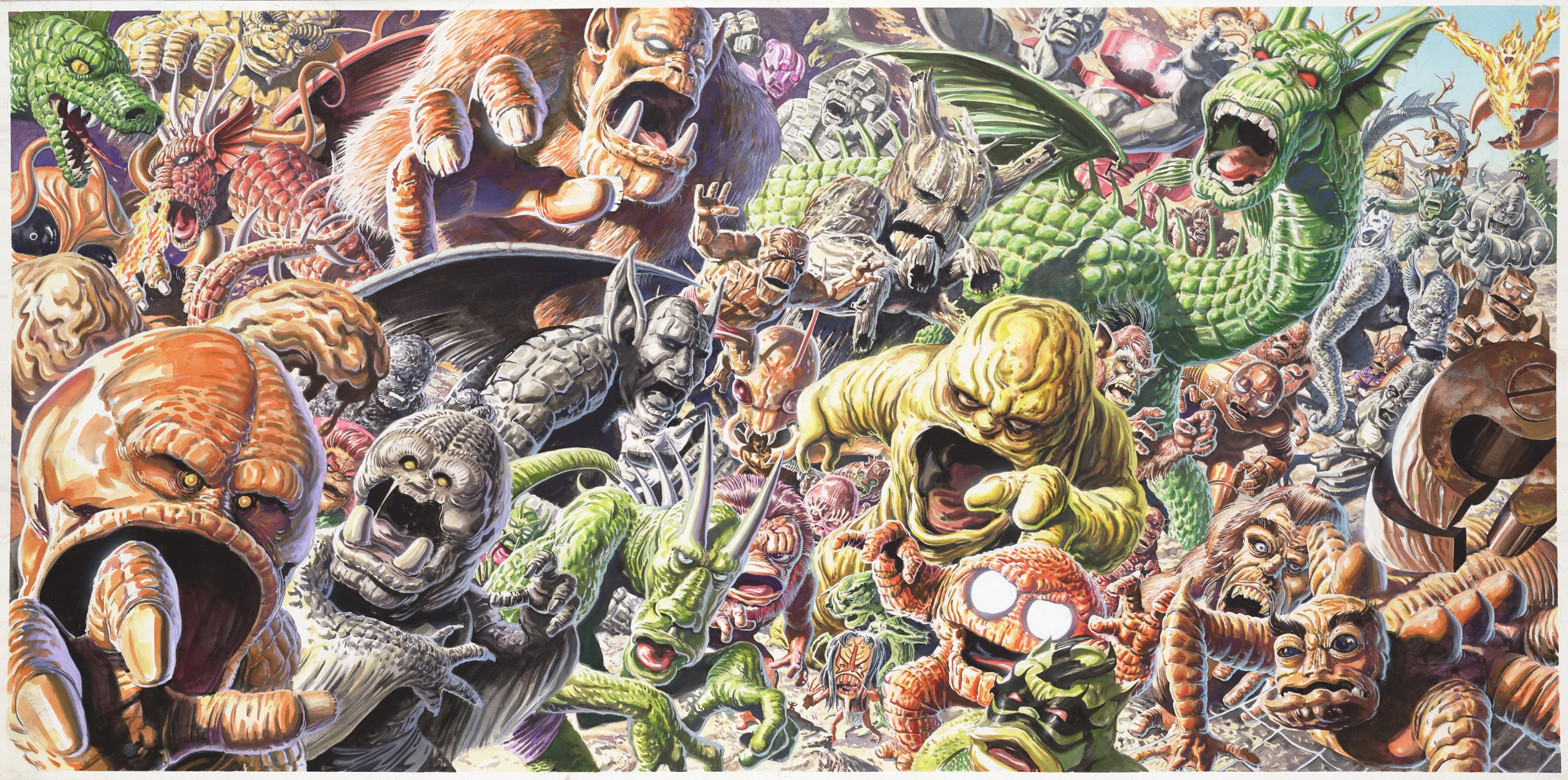
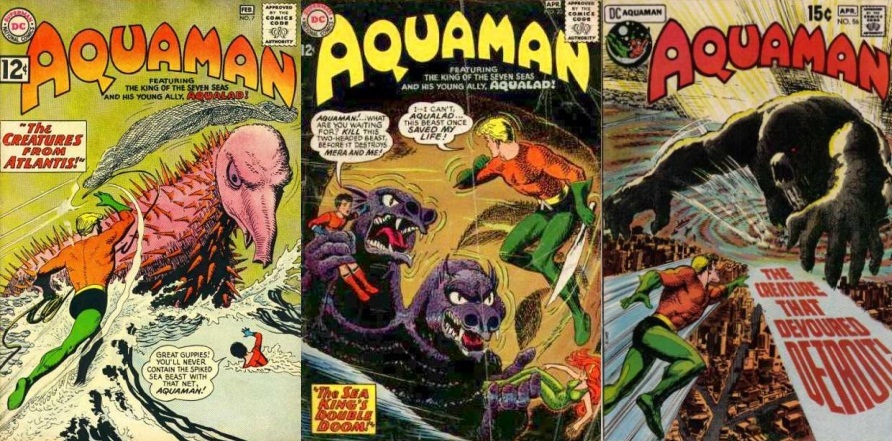
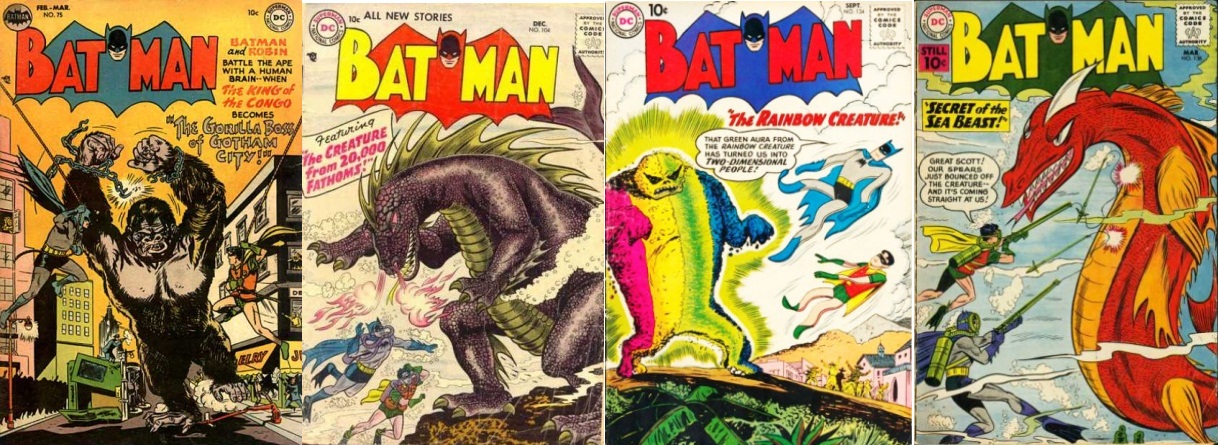
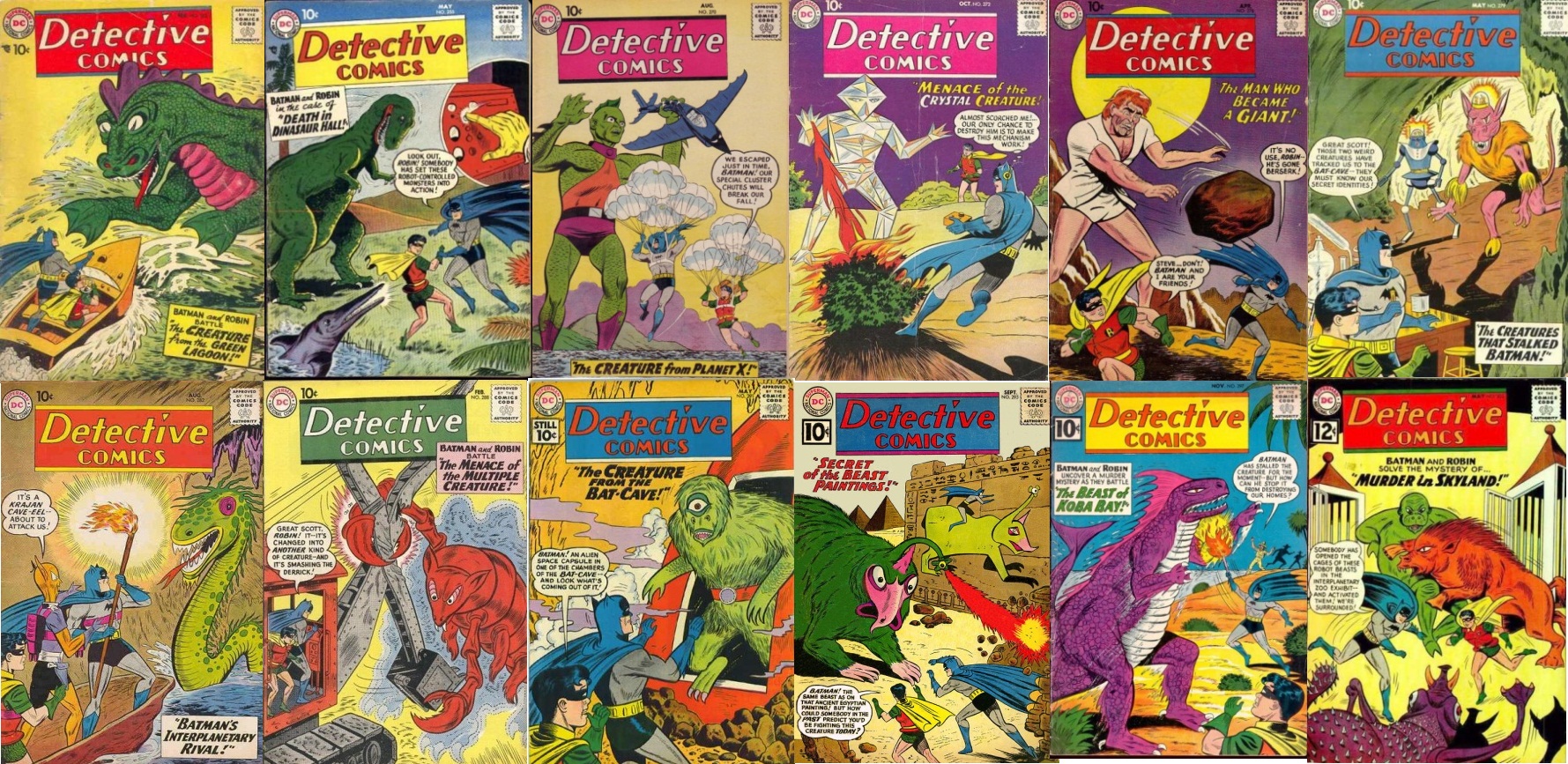
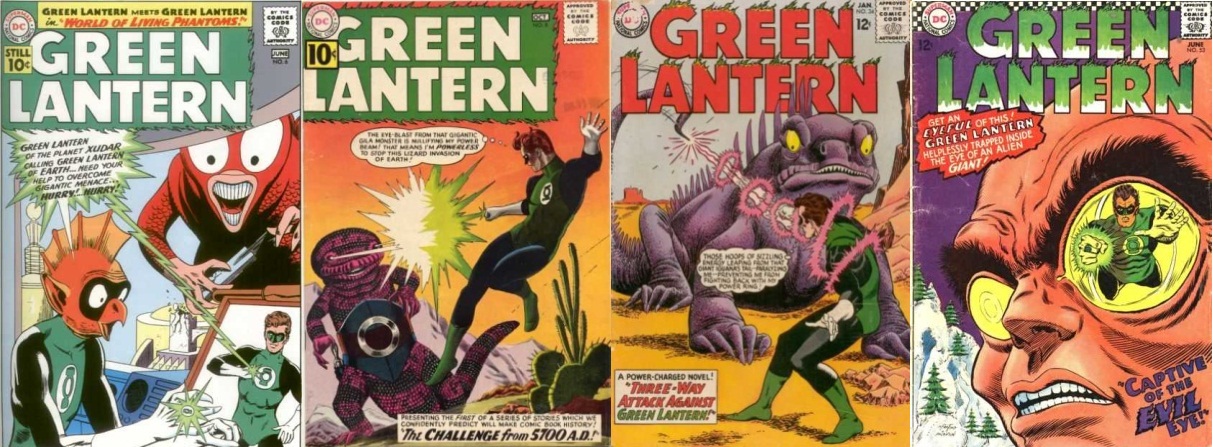
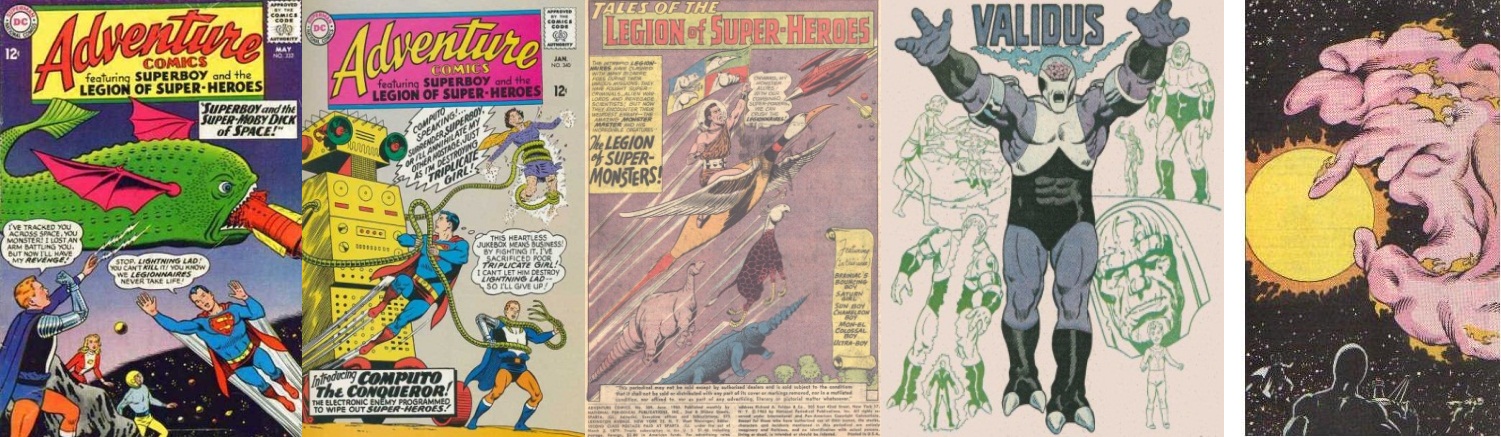
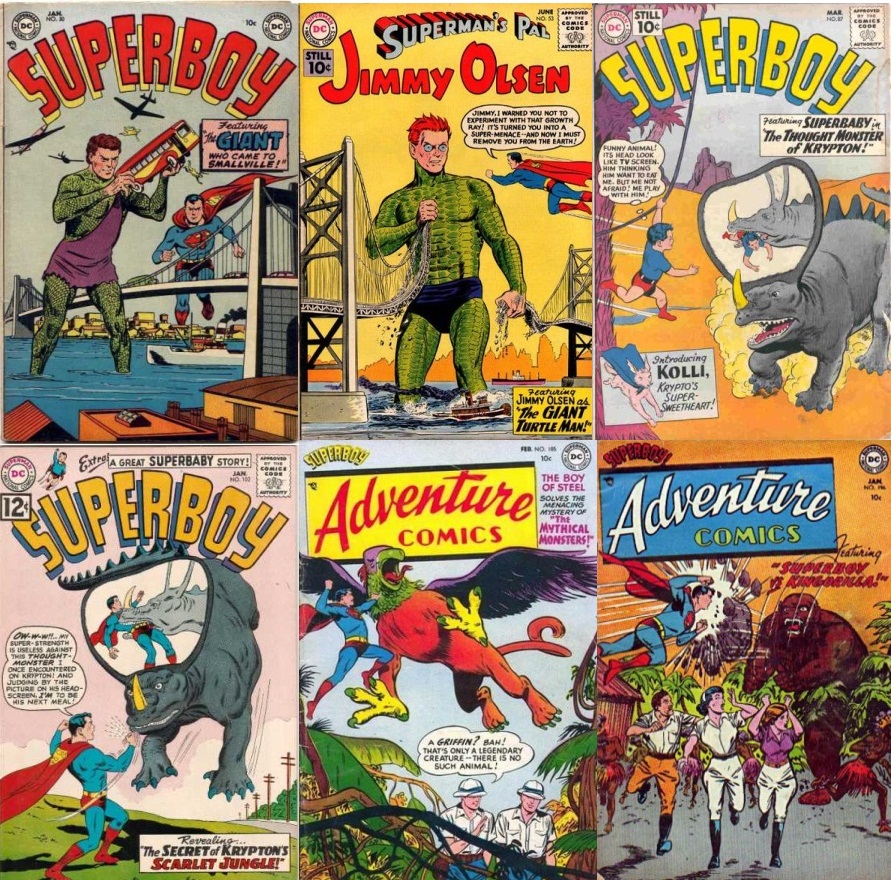
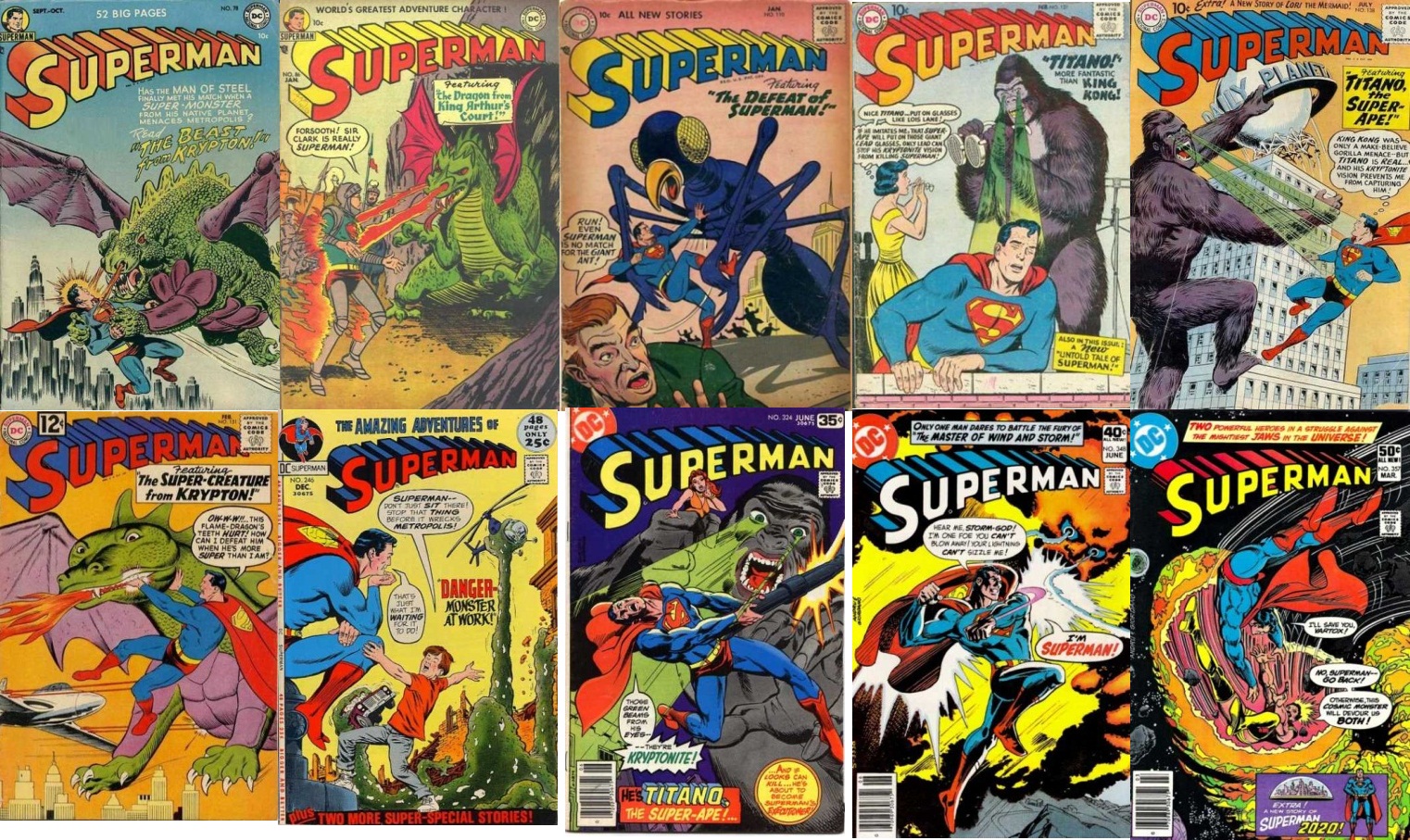
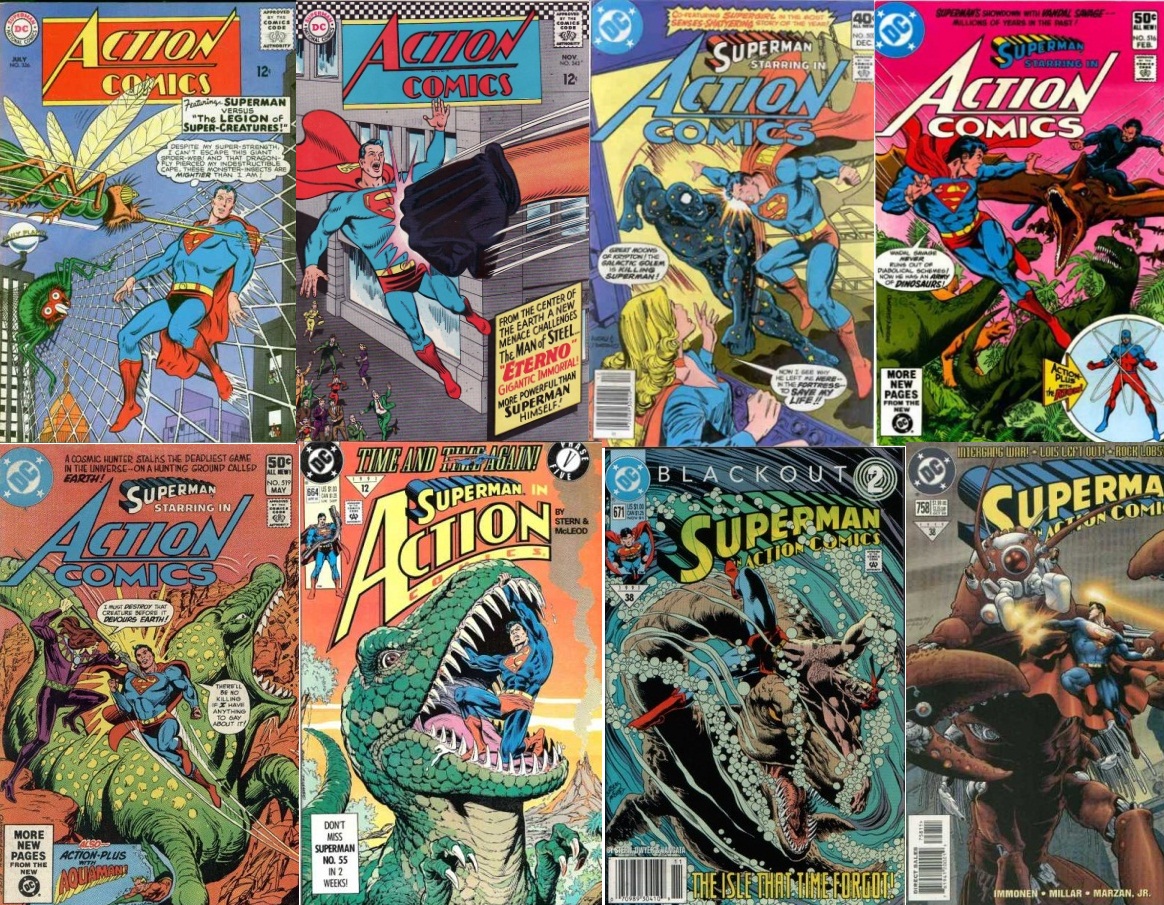
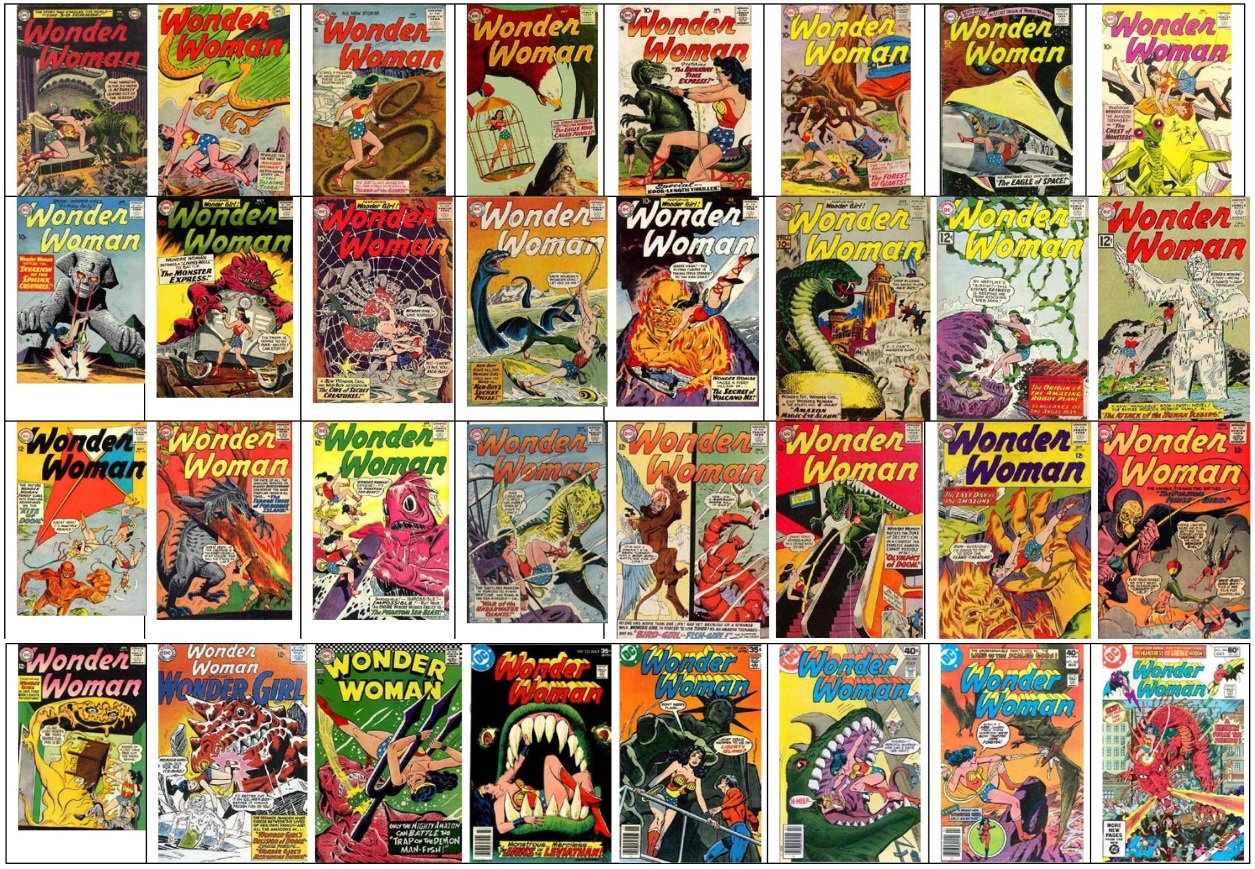
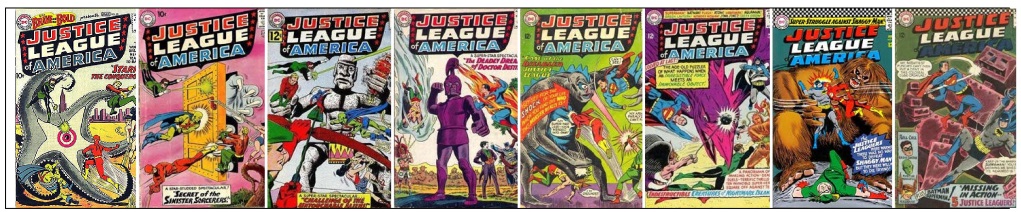
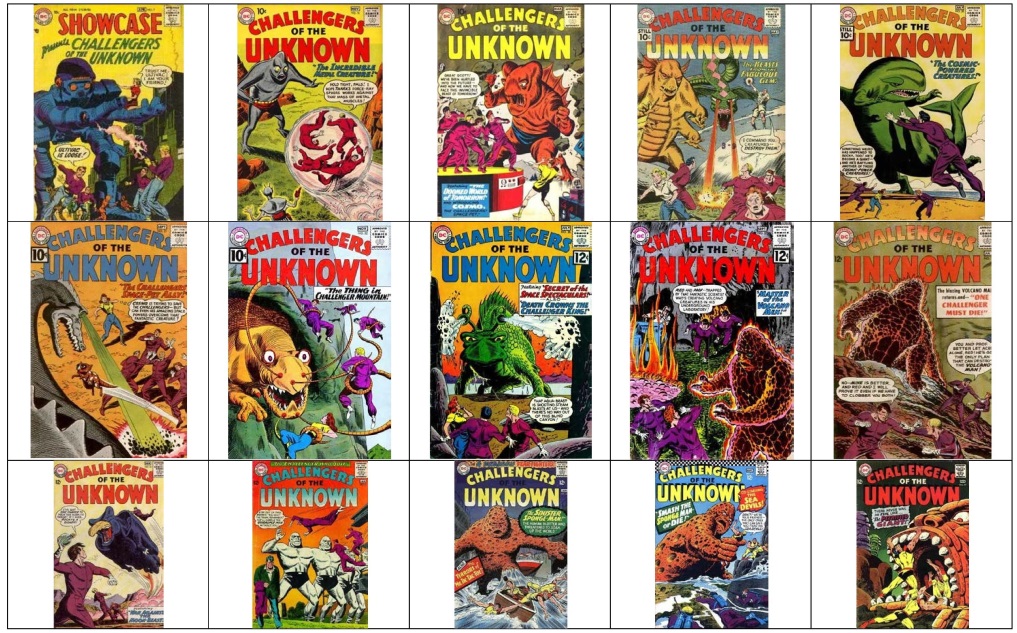
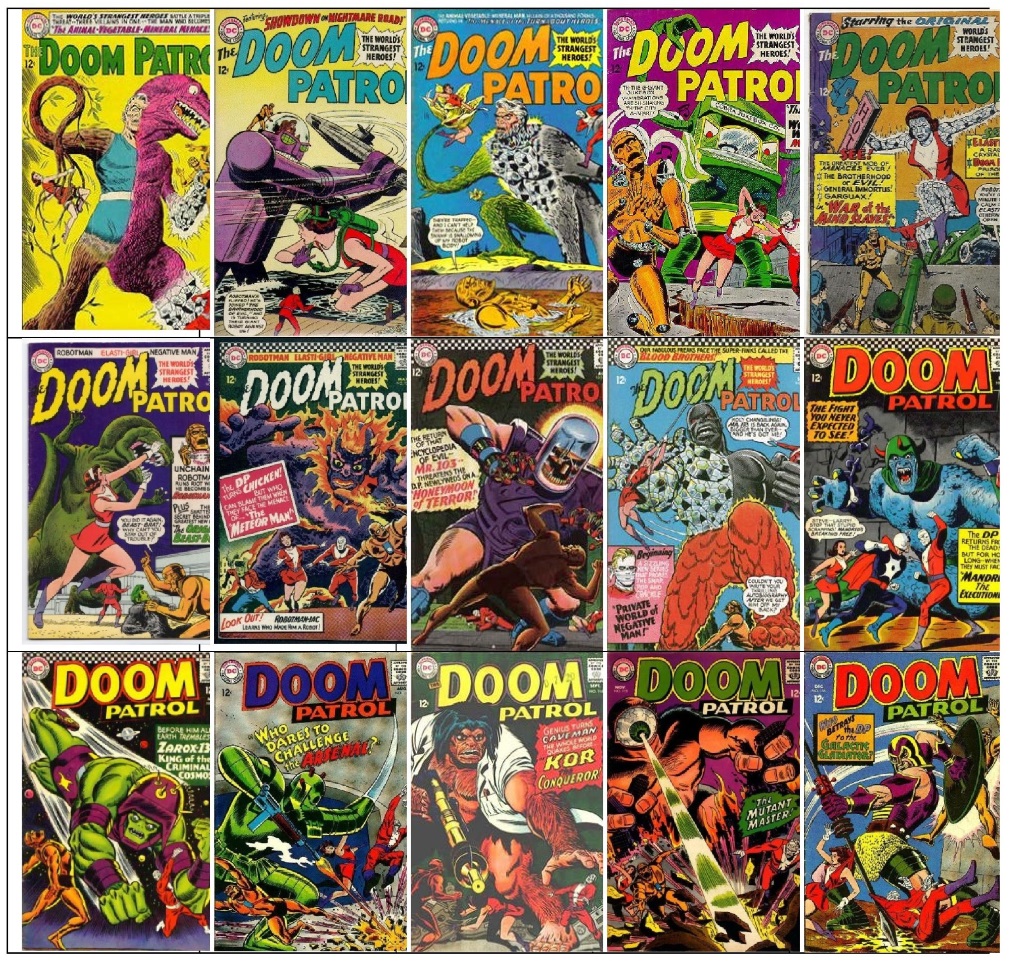


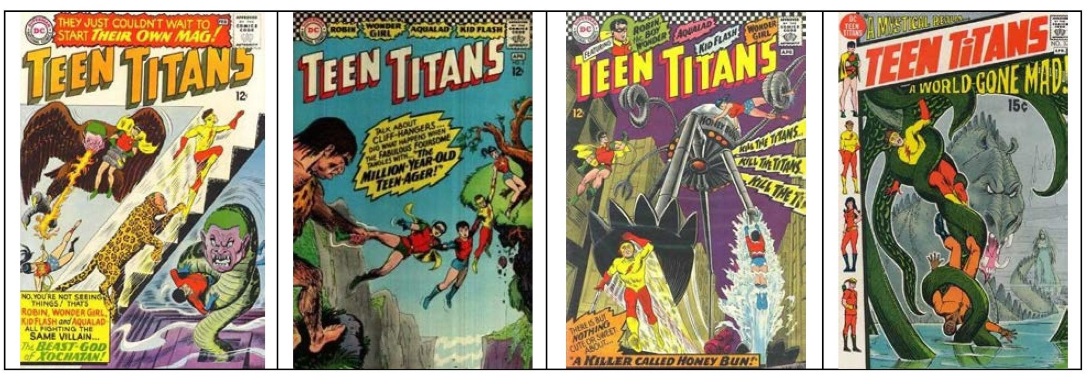
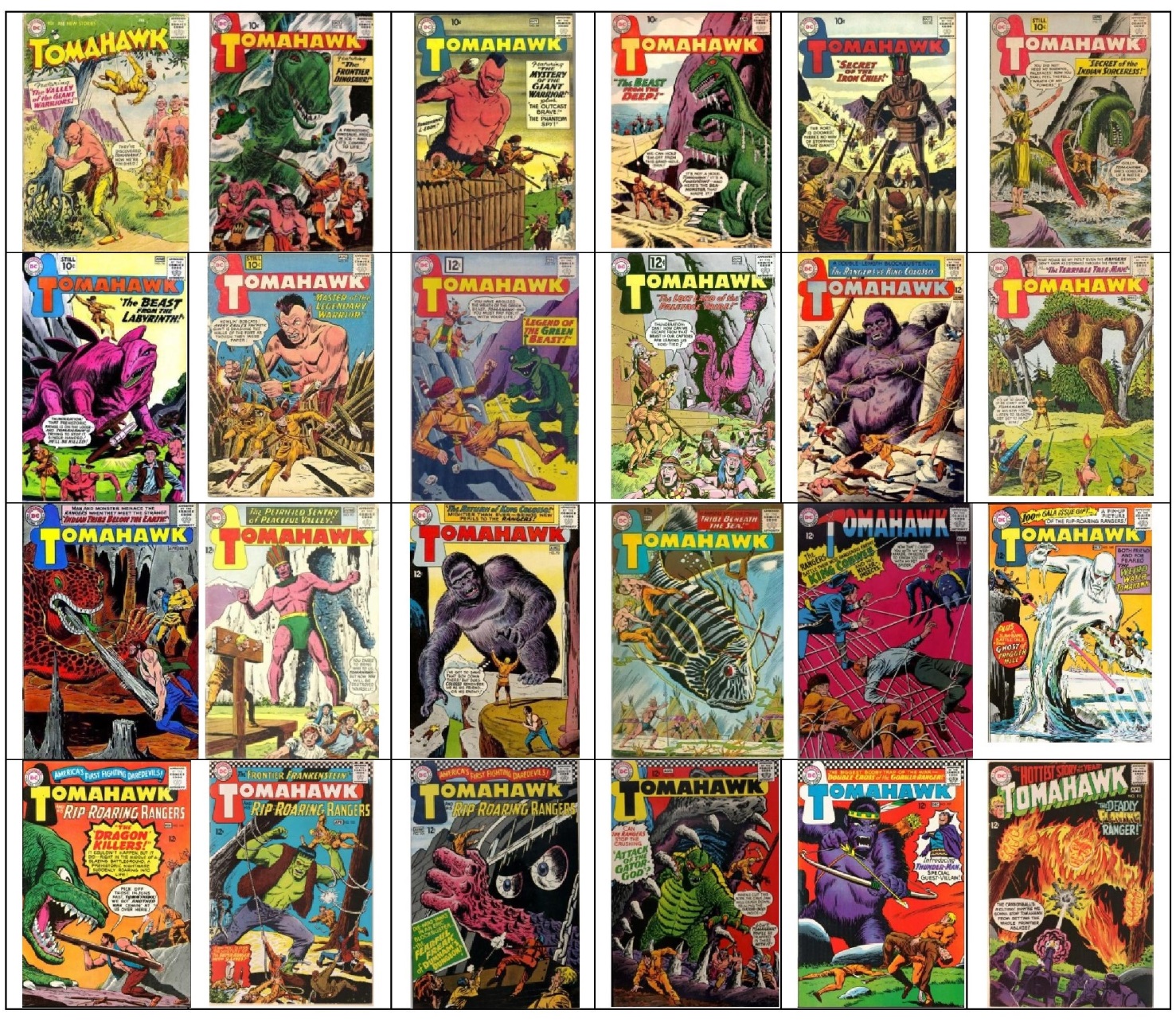

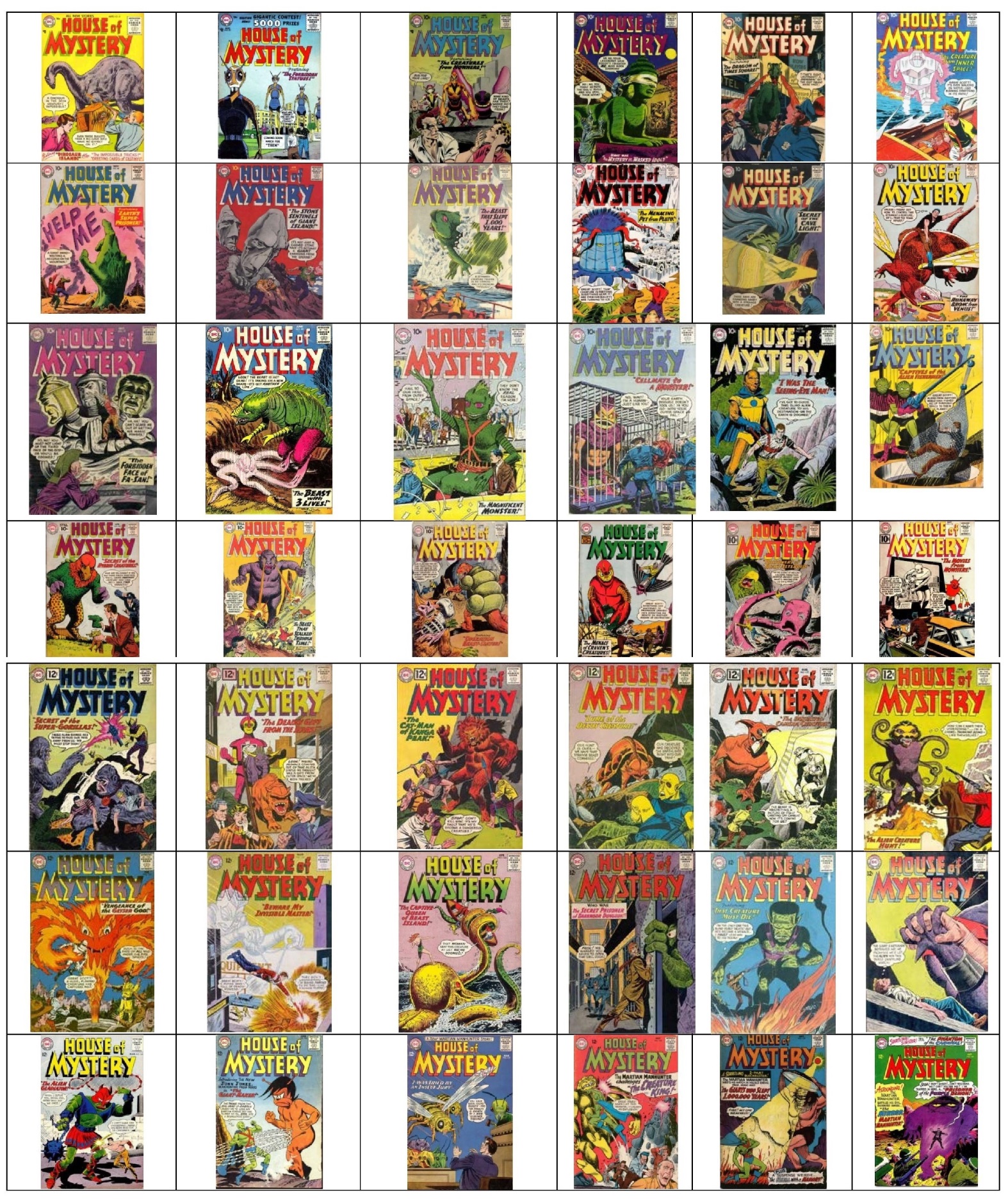
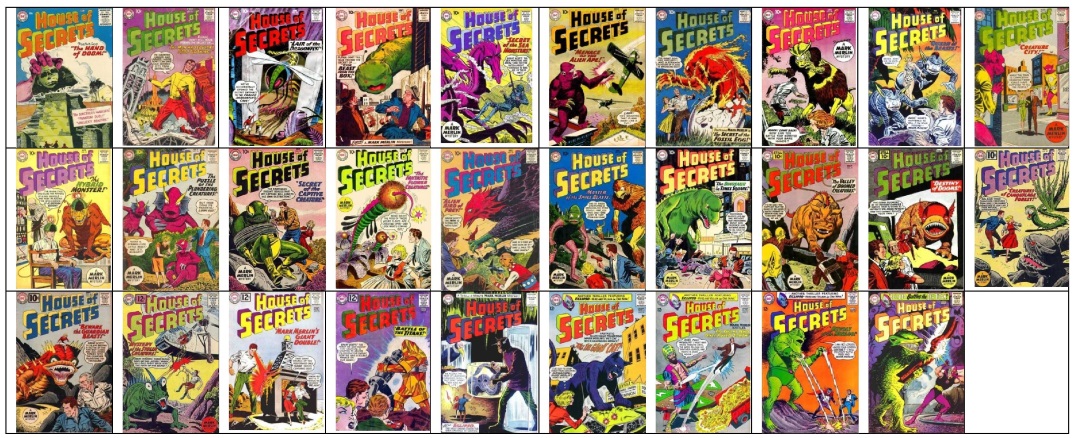
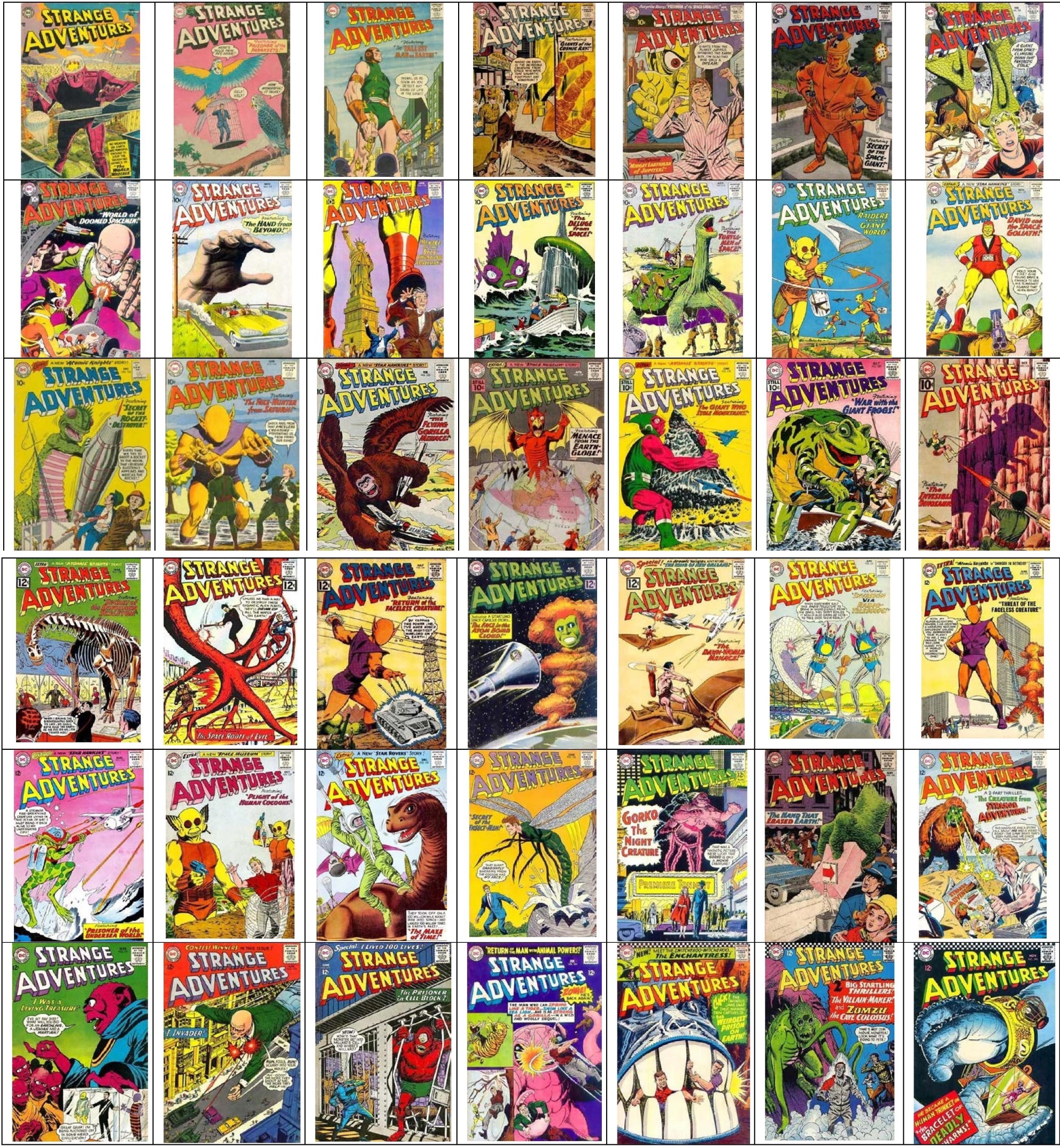
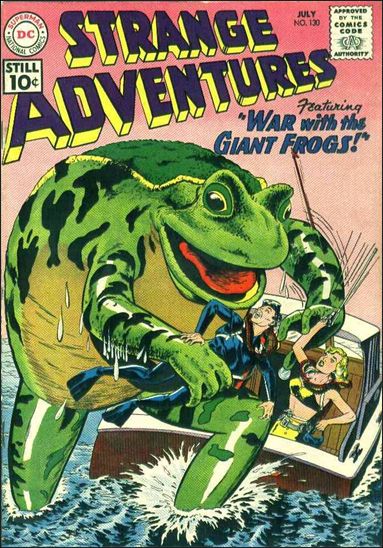

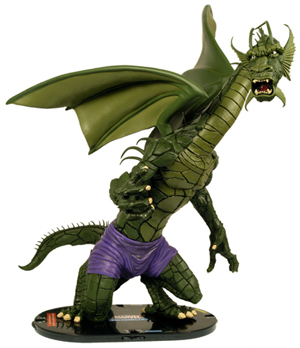
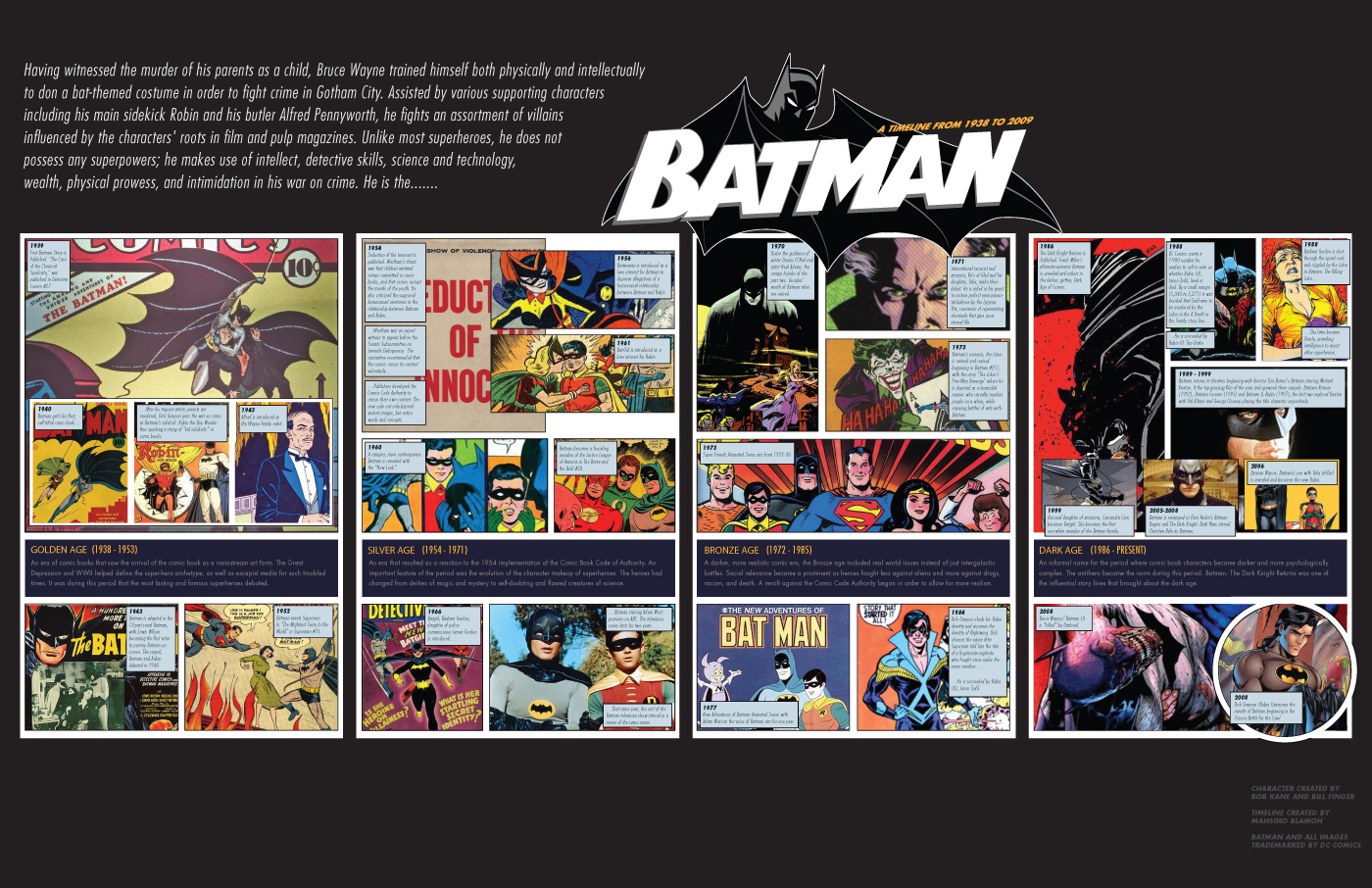









 Dr. Hugh Fox III